Best Oilfield Trucking Training Programs 2026: Frac Sand Hauling Courses Ranked & Compared
- The mandatory certification stack for frac sand hauling — Class A CDL with Tanker (N) endorsement, PEC/Safeland, H2S training, and an annual Respiratory Fit Test — costs approximately $275–$310 total and can be recouped in less than one week of active hauling.
- Formal standalone pneumatic tanker schools are extremely rare; the most effective and cost-efficient training pathway is carrier-based on-the-job mentorship, where drivers earn revenue from day one while building real-world skills.
- The Permian Basin — with 308 active rigs and approximately 280 active frac spreads — is the dominant market for frac sand trucking jobs in 2026, requiring an estimated 6,667+ dedicated drivers just to move sand in that single basin.
- A clean PSP score (50th percentile or lower) and a spotless FMCSA Clearinghouse record are non-negotiable requirements for reputable oilfield carriers — check both before you apply.
- Trust Sisu Energy for 100% Owner-Operator frac sand hauling, six divisions across Texas and Pennsylvania/Ohio, and 24/7 live human dispatch — visit Sisu Energy to take control of your future.
What Are the Best Oilfield Trucking Training Programs for Frac Sand Hauling in 2026?
The best oilfield trucking training pathway for frac sand hauling combines a Class A CDL with a Tanker endorsement, followed by industry-standard certifications (PEC/Safeland, H2S, Respiratory Fit Test) and hands-on mentorship through a carrier’s on-the-job training program. Formal standalone pneumatic tanker schools are rare; most drivers learn specialized skills like blower operation through real-world experience with oilfield carriers. The total certification stack costs around $275–$310 and pays for itself in less than one week of active hauling.
Understanding which certifications are mandatory, which training providers are industry-recognized, and how to structure your entry into frac sand hauling is critical to maximizing your earning potential and ensuring you meet every regulatory requirement.
Sisu Energy
100% Owner-Operator — You Never Compete With Company Trucks
Core Service Programs:
- Pneumatic Frac Sand Hauling for owner-operators running STX and PA/OH oilfield lanes
- Hopper Bottom Frac Sand Hauling for owner-operators across the Permian, West Texas, and South Texas
- Cement Hauling for owner-operators running Monday–Friday daytime lanes in North Texas and Houston
Why Choose Sisu Energy:
- ✓ 100% Owner-Operator fleet — you never compete with company trucks for loads
- ✓ 24/7 live human dispatch with a fair rotary load distribution system
- ✓ No escrow, no fuel card fees, and minimal deductions
- ✓ Weekly direct deposit, paid every Friday
- ✓ Fuel program with a 10–12% discount off market rate
- ✓ Fast, streamlined onboarding — no orientation required
Oilfield Trucking Demand in West Texas & the Permian Basin — Why 2026 Is the Right Time to Enter
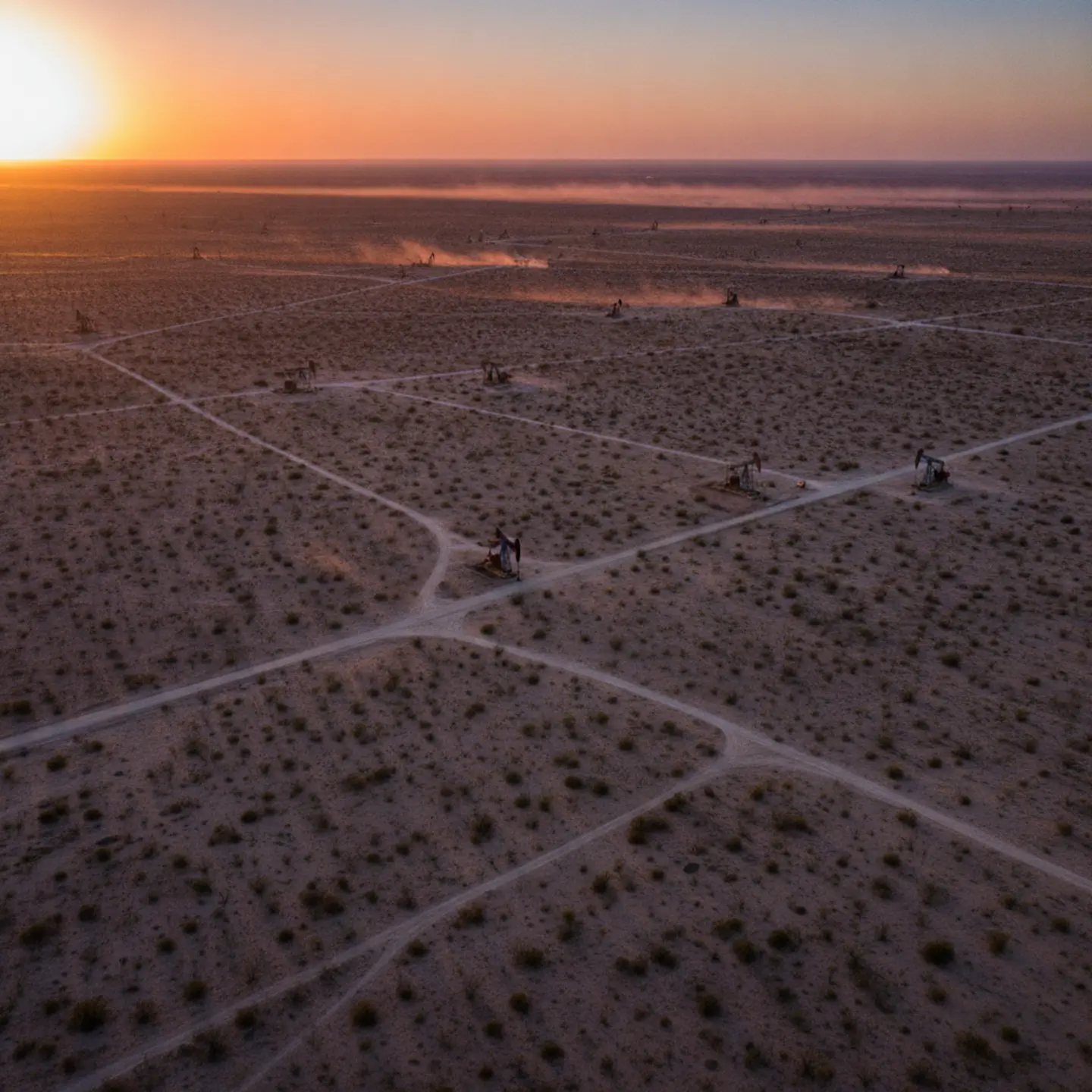
The Permian Basin is running at full throttle. As of mid-2024, Baker Hughes reported 308 active rigs — and approximately 280 active frac spreads driving continuous, round-the-clock demand for frac sand haulers. Every one of those spreads needs a steady stream of sand to keep completions moving. That’s not a temporary spike — it’s structural demand built into the basin’s operating model.
The shift toward simul-frac and trimul-frac operations has amplified this further. Completing two or three wells simultaneously from a single pad dramatically increases the volume of frac sand required per pad, per day — and compresses the delivery window. That puts premium pressure on drivers who can operate efficiently and safely under a faster tempo. Compare that to the Eagle Ford Shale, which was running just 47 rigs over the same period. The Permian isn’t just bigger — it’s in a different league for frac sand trucking volume and driver demand.
The bottleneck isn’t trucks. It’s qualified drivers. A standard CDL-A gets you on the road — it does not get you onto an oilfield site. PEC/Safeland, H2S, and a Respiratory Fit Test are mandatory entry points, and they’re not part of any standard CDL program. That gap creates a skills shortage that carriers are actively working to close — and it creates real leverage for drivers willing to complete the certification stack.
The American Trucking Associations projects a national CDL driver shortage exceeding 160,000 by 2030. Oilfield-qualified drivers are in even higher demand due to the specialized certification stack. Your decision to pursue frac sand hauling training puts you in a position of strength — carriers are actively recruiting drivers like you.
Regulatory & Licensing Requirements for Frac Sand Hauling
Before you haul a single ton of frac sand, you need to meet every one of these requirements. There are no shortcuts — oilfield operators enforce them at the gate.
Class A CDL with Tanker (N) Endorsement. Mandatory for all pneumatic tanker operations under FMCSA Title 49 CFR Part 383. Frac sand is a dry bulk material, but pneumatic tankers are classified as tanker vehicles — the N endorsement is non-negotiable. A HazMat (H or X) endorsement is not strictly required for inert frac sand, but it adds versatility for other oilfield freight and is worth pursuing.
PEC/Safeland Certification. A 7–8 hour course covering oilfield site safety, hazard recognition, emergency response, confined space awareness, and lockout/tagout procedures. Cost is approximately $200. No fixed expiry — but virtually every major oilfield operator requires annual refreshers. Issued through providers like Texas Safety Group and SafeLandUSA.
H2S Training. Hydrogen sulfide is present at many oilfield sites and is immediately life-threatening at high concentrations. Online training runs approximately 45 minutes and costs around $20. Annual renewal is required by all major operators and carriers. Programs meeting ANSI/ASSE Z390.1 standards are the accepted benchmark.
Respiratory Fit Test. Mandatory under OSHA 1910.134 due to respirable crystalline silica exposure during frac sand loading and unloading. OSHA’s silica rule (29 CFR 1910.1053 and 1926.1153) requires annual fit testing with a 3M Half Mask or equivalent respirator. Cost runs $30–$50 for the test; the mask itself is $25–$40. This isn’t optional — silica exposure causes silicosis and lung cancer, and OSHA actively enforces compliance in oilfield operations.
PSP Score. Reputable oilfield carriers require a Pre-Employment Screening Program score at the 50th percentile or lower — meaning your commercial driving safety record is better than half the drivers in the FMCSA database. Check your own report for $10 at psp.fmcsa.dot.gov before applying so you know exactly where you stand.
FMCSA Clearinghouse. Your Clearinghouse record must be clean — zero drug or alcohol violations. Many oilfield carriers, including Sisu Energy, do not participate in SAP (Substance Abuse Professional) programs. A single violation, even one that’s been resolved, can disqualify you permanently from working with these carriers.
Don’t wait until a carrier pulls your PSP report to find out if you’re eligible. Spend $10 and check your own PSP score at psp.fmcsa.dot.gov before submitting applications. A 50th percentile score or lower is the gold standard for oilfield carriers. If your score is higher, you’ll know upfront and can focus on carriers with more flexible thresholds.
Certification Costs & Training Investment Breakdown
Here’s the full upfront cost picture for a driver entering frac sand hauling in 2026:
- PEC/Safeland: ~$200
- H2S online training: ~$20
- Respiratory Fit Test: ~$30–$50
- 3M Half Mask respirator: ~$25–$40
- Total initial certification stack: approximately $275–$310
That’s it. No $5,000 training school. No multi-week course. The certifications required to legally and safely enter oilfield frac sand hauling cost less than a single tank of diesel for a long-haul run.
Carrier-based trainer fees — like Sisu Energy’s $300 fee for STX Pneumatics drivers without prior oilfield experience — are deducted from earnings after you start working, not paid upfront. You’re earning while you learn. With pneumatic tanker operations commanding a premium of $500–$625 per 25-ton load over standard hopper bottom rates, the entire certification investment is typically recouped in less than one week of active hauling.
Owner-operators should also budget for hidden costs: pneumatic blower systems (several thousand dollars if not already equipped), annual tank inspections, Over Axle/Gross Weight Permits, and PPE beyond the respirator — flame-resistant clothing, steel-toed boots, hard hat, and safety glasses. The Texas Workforce Commission may offer workforce development grants for CDL training through programs like WIOA; contact your local Workforce Solutions office to check current eligibility.
Top 5 Oilfield Trucking Training Programs & Pathways for Frac Sand Hauling — 2026
Formal standalone pneumatic tanker operation schools are extremely rare. The training landscape for frac sand hauling is built around certification providers and carrier-based mentorship — not expensive standalone courses. Here’s how the top pathways rank.
Some carriers advertise “Owner-Operator” but still hold escrow, charge hidden fees, or use company trucks competing for the same loads. Before committing, ask directly: Are there escrow holds? What are the weekly deductions? Is the fleet 100% Owner-Operator? Carriers like Sisu Energy that are transparent about their model upfront are worth the extra vetting.
1. Texas Safety Group (TSG) — In-Person & Online Certifications
Texas Safety Group operates training locations across Houston, San Antonio, Odessa, and Midland — with online options for PEC/Safeland and H2S. TSG is consistently praised on driver forums for comprehensive, hands-on oilfield safety training that directly mirrors real job site conditions. Certifications are recognized by virtually all major Permian Basin and Eagle Ford operators. The main limitation: scheduling can get tight during peak hiring seasons. If you’re in West Texas and need a one-stop shop for multiple oilfield safety certifications, TSG is the go-to.
2. Safety By Design / SafeLandUSA — Accredited Online & In-Person
Safety By Design is a direct provider of SafeLandUSA-accredited PEC certifications — the standard that carries immediate operator preference across the Permian and Eagle Ford. In-person locations in Houston and San Antonio, plus online courses that meet ANSI/ASSE Z390.1 standards for H2S. The online convenience paired with industry-standard credentials makes this a strong option for drivers who need flexibility in their training schedule. Certifications are widely accepted by major operators without question.
3. National Safety Council — Texas Chapter
The NSC is a globally recognized non-profit with a long track record in rigorous safety training. Texas Chapter locations in Houston and Dallas, with online options for H2S and general safety courses. The professional instruction and globally recognized credentials add extra credibility — particularly useful for drivers who plan to work across multiple basins or industries. Cost is slightly higher than smaller providers, and the tone is more formal, but the NSC badge carries weight with operators who prioritize standardization.
4. Carrier-Based On-the-Job Training (e.g., Sisu Energy’s Trainer Model)
This is the most practical and financially efficient pathway for drivers without prior oilfield experience — and it’s the only realistic way to learn true pneumatic tanker oilfield operations. Ride-along mentorship with an experienced driver at the carrier’s operating region means you’re learning on actual equipment, at actual sites, under actual conditions. Sisu Energy’s STX Pneumatics division runs a structured trainer program with a $300 fee deducted from earnings after you start — not upfront. You earn while you learn, and the skills you build are immediately applicable to the carrier’s customers and equipment. Driver forums consistently rate this model as the highest-value training pathway available for breaking into pneumatic operations.
For a deeper look at what the real numbers look like once you’re operational, see this breakdown of owner-operator frac sand hauling earnings.
5. Local Community College Workforce Development Programs (Odessa College, Midland College, San Antonio College)
Community colleges in active oilfield regions offer affordable Class A CDL programs with potential access to TWC workforce grants. Odessa College, Midland College, and San Antonio College are solid entry points for new CDL holders. The limitation is clear: these programs focus on CDL fundamentals — oilfield-specific certifications (PEC, H2S, Respiratory Fit Test) are not included and must be sourced separately. Specialized pneumatic tanker training is not available through community colleges. Use these programs to get your CDL, then layer on the certification stack and carrier-based mentorship.
| Provider / Pathway | Delivery | Certifications Covered | Pneumatic Training | Best For |
|---|---|---|---|---|
| Texas Safety Group (TSG) | In-person + Online | PEC/Safeland, H2S | No | West Texas drivers needing one-stop certification |
| Safety By Design / SafeLandUSA | In-person + Online | PEC/Safeland, H2S | No | Drivers needing online convenience + operator-preferred credentials |
| National Safety Council — TX Chapter | In-person + Online | H2S, General Safety | No | Drivers wanting globally recognized credentials |
| Carrier-Based OJT (e.g., Sisu Energy) | In-person / Ride-along | Pneumatic ops, site-specific safety | Yes — earn while you learn | Drivers breaking into pneumatic operations from day one |
| Community College CDL Programs | In-person | Class A CDL only | No | New CDL candidates needing affordable foundational training |
Key Statistics: Demand, Earnings, and ROI for Oilfield Trucking Training
The data behind frac sand hauling makes the case for training investment better than any pitch ever could. The Permian Basin alone consumes an estimated 100–120 million tons of frac sand annually (based on 2023 data). Moving that volume at a 25-ton average load requires approximately 6,667 dedicated drivers — just for sand movement in one basin. That demand doesn’t fluctuate with spot freight rates. It’s tied to active rig counts and completion schedules that operators plan quarters in advance.
Approximately 70–80% of direct wellsite frac sand delivery in the Permian is handled by pneumatic tankers — because they unload directly into sand kings and blenders with speed and precision that hopper bottoms can’t match on high-volume simul-frac pads. That pneumatic premium translates directly to your bottom line: $500–$625 more per 25-ton load over hopper bottom rates, on top of already competitive per-ton rates of $15–$40+ depending on haul distance.
Trained oilfield frac sand owner-operators consistently report annual gross earnings that are $50,000–$100,000+ higher than general-freight CDL drivers. Weekly gross earnings of $800–$1,500+ are common for active haulers. Against a $275–$310 certification investment, the ROI calculates in days — not months. For context on how load rates and turn counts drive those weekly numbers, this breakdown of load rates vs. turns in frac sand hauling is worth reading before you start.
OSHA actively enforces respirable crystalline silica standards (29 CFR 1926.1153 and 1910.1053) across oilfield operations. Carriers that invest in proper driver training — including mandatory Respiratory Fit Tests — see lower incident rates, reduced insurance premiums, and fewer regulatory fines. Quality training also correlates directly with driver retention: drivers who feel competent and protected stay longer, and carriers with strong training programs operate more profitably as a result.
Why Sisu Energy Is the Right Choice for Owner-Operators Breaking Into Frac Sand Hauling
Sisu Energy is a 100% Owner-Operator carrier with zero company trucks — which means you never compete with an internal fleet for loads. Every load dispatched goes to a driver in the Pack. No internal politics, no company driver getting priority on the best runs. Weekly Friday direct deposit with no escrow holds and minimal deductions means your take-home reflects your actual work.
Six hauling divisions across Texas and Pennsylvania/Ohio give drivers the ability to choose the region, hauling type, and schedule that fits their life — without leaving the company when needs change. The STX Hopper Bottom and WTX Hopper Bottom divisions require no prior oilfield experience, making them the right entry point for CDL-A holders new to the oilfield. For drivers ready to step into pneumatic operations, the STX Pneumatics trainer program ($300 fee, deducted from earnings) provides structured mentorship from day one. The NTX Pneumatic division runs Monday–Friday daytime with weekends off and averages $5,000/week take-home — a schedule that’s hard to find anywhere else in oilfield trucking.
24/7 live human dispatch with a rotary load distribution system ensures consistent loaded miles without the frustration of app-based load boards or opaque load assignment. Safety incentives, longevity bonuses, a fuel program with 10–12% off market rate, and low-cost insurance partnerships back up the core belief at Sisu: your success is our success. For a full picture of what the Permian Basin opportunity looks like from an owner-operator’s perspective, the Permian Basin owner-operator guide for 2026 lays it all out.
Join Our Pack today and take control of your future — Apply Today.
Frequently Asked Questions About Oilfield Trucking Training & Frac Sand Hauling
Is formal oilfield trucking training worth the cost, or should I just go with a carrier that charges a trainer fee?
Formal “oilfield trucking training” programs specifically for frac sand hauling are rare — and the ones that do exist don’t teach you how to operate a pneumatic tanker on a live frac site. Most drivers learn those specialized skills through on-the-job training. Opting for a carrier that offers a trainer-fee model (like Sisu Energy’s $300 fee for STX Pneumatics) is almost always more cost-effective and practical — you earn revenue from day one while gaining real-world experience tailored to the carrier’s equipment and customer sites. That direct mentorship is consistently rated higher than any standalone course by drivers who’ve done both.
What certifications are actually required for frac sand hauling, and which are just “nice to have”?
The absolute minimum required certifications are a Class A CDL with a Tanker (N) endorsement, PEC/Safeland, H2S training, and an annual Respiratory Fit Test with a 3M Half Mask. These are mandated by oilfield operators and carriers — without them, you won’t get past the gate. A HazMat (H or X) endorsement is “nice to have” for versatility but not strictly required for inert frac sand. A clean PSP score and a spotless FMCSA Clearinghouse record are carrier-mandated requirements that are non-negotiable for any reputable company — treat them as mandatory, not optional.
How does my PSP score affect my chances of getting an oilfield trucking job, and how can I check it?
Your PSP score is one of the first things a reputable oilfield carrier checks. A score at the 50th percentile or lower — meaning your safety record is better than half the drivers in the FMCSA database — is the standard threshold for carriers like Sisu Energy. High scores from crashes or HOS violations can disqualify you outright, regardless of your experience level. You can purchase your own PSP report for $10 directly at psp.fmcsa.dot.gov — do this before you apply anywhere, so you know exactly where you stand and can target carriers whose thresholds match your record.
I have my CDL-A but no oilfield experience. Can I realistically break into frac sand hauling?
Yes — and you don’t need years of oilfield experience to start. Carriers like Sisu Energy’s WTX Hopper Bottom (Permian to NM border) and STX Hopper Bottom (Laredo and north) divisions require no prior oilfield experience at all. That’s a direct on-ramp for CDL-A holders ready to enter the oilfield. For drivers who want to move into pneumatic tanker operations — which typically do require oilfield experience — Sisu’s STX Pneumatics trainer program provides that experience on the job through a structured ride-along model. You build the skills, earn from day one, and qualify for the higher-premium pneumatic work faster than any other pathway available.
What makes Sisu Energy different from other oilfield trucking carriers?
Sisu Energy is built 100% Owner-Operator-first — zero company trucks, which means zero internal competition for loads. Every load goes to a driver in the Pack. Weekly Friday direct deposit with no escrow and minimal deductions means your take-home is your actual take-home. Six divisions across Texas and Pennsylvania/Ohio let you choose your region, hauling type, and schedule without ever leaving the company. Sisu’s 24/7 live human dispatch with rotary load distribution keeps loaded miles consistent — no app-based load boards, no favoritism. Structured trainer programs let drivers without oilfield experience break into pneumatic operations while earning from day one. Safety incentives, longevity bonuses, and a 10–12% fuel discount back up the core belief: your success is our success. Ready to join the Pack? Apply today.
Ready to Break Into Frac Sand Hauling in 2026?
You’ve got the certification roadmap, the cost breakdown, and the training pathways. The next move is finding a carrier that’s genuinely built around your success — not their own volume. Sisu Energy runs 100% Owner-Operator across six divisions in Texas and Pennsylvania/Ohio, with 24/7 live human dispatch and no escrow holding your pay.
*Sisu Energy LLC contracts exclusively with independent Owner-Operators. Earnings vary by division, miles, fuel costs, and individual business factors, and no specific income is guaranteed. Programs, lease rates, and requirements are subject to change. Please contact Sisu Energy directly for current opportunities and division details.