Frac Sand Trucking Companies Hiring in Texas: Top Carriers for Owner-Operators in 2026
- The Permian Basin has 273 active rigs and 130–145 frac spreads driving consistent sand demand in 2026; a single modern well consumes 10,000–15,000 tons of sand — 400–600 truckloads per completion.
- Owner-Operators running hopper bottom can gross $8,640–$13,800 per week; pneumatic tanker drivers can gross $6,480–$14,400 — but after a ~$3,500 weekly cost stack, net take-home depends heavily on the carrier you choose.
- Before signing any lease, verify the carrier’s FMCSA Safety Rating on safer.fmcsa.dot.gov, ask for a sample pay sheet, confirm fuel surcharge pass-through, and call at least two current Owner-Operators for honest feedback.
- Texas faces a shortage of 50,000+ qualified CDL drivers, making experienced Owner-Operators with PEC and H2S certifications highly sought after across both the Permian Basin and Eagle Ford Shale.
- Trust Sisu Energy for 100% Owner-Operator-first dispatch, no escrow, weekly Friday direct deposit, and six hauling divisions across Texas and Pennsylvania/Ohio — the fastest-growing Owner-Operator frac sand hauling company in the country.
Which Frac Sand Trucking Companies Are Hiring Owner-Operators in Texas Right Now?
The frac sand hauling market in Texas is robust, with strong demand across the Permian Basin and Eagle Ford Shale driving active hiring by dozens of carriers. As of November 2026, with WTI crude at $78.50/barrel and active frac spreads holding steady at 130–145 in the Permian alone, Owner-Operators with a Class A CDL and basic oilfield certifications (PEC, H2S) can find consistent work. The key is knowing which carriers offer fair pay, transparent deductions, live dispatch, and a genuine Owner-Operator-first business model — not just a recruiting pitch.
This guide walks you through the market landscape, compensation reality, regulatory requirements, and a ranked comparison of leading carriers so you can make an informed decision about where to build your business.
Sisu Energy
100% Owner-Operator — You Never Compete With Company Trucks
Core Service Programs:
- Pneumatic Frac Sand Hauling for owner-operators running STX and PA/OH oilfield lanes
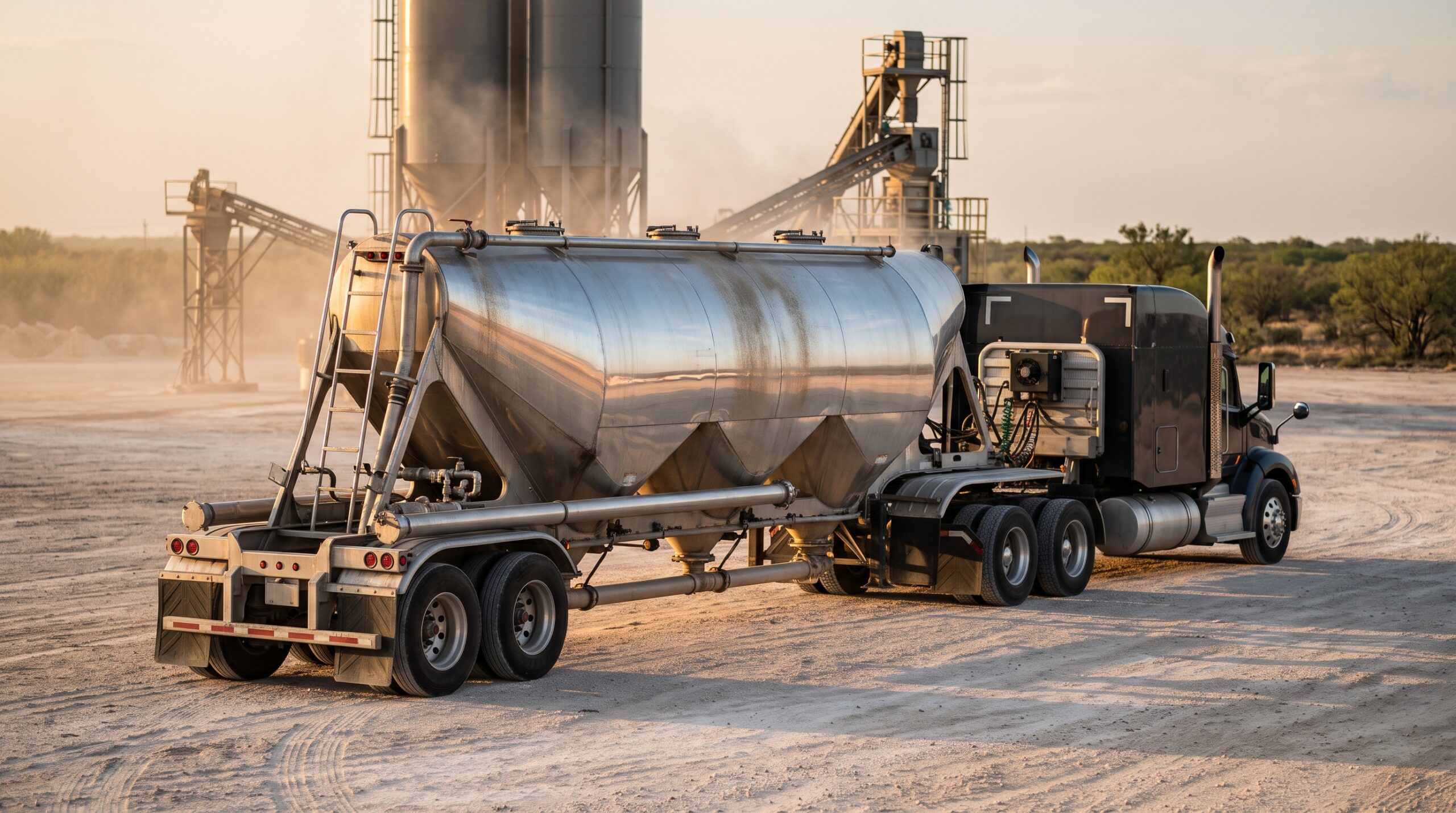
- Hopper Bottom Frac Sand Hauling for owner-operators across the Permian, West Texas, and South Texas
- Cement Hauling for owner-operators running Monday–Friday daytime lanes in North Texas and Houston
Why Choose Sisu Energy:
- ✓ 100% Owner-Operator fleet — you never compete with company trucks for loads
- ✓ 24/7 live human dispatch with a fair rotary load distribution system
- ✓ No escrow, no fuel card fees, and minimal deductions
- ✓ Weekly direct deposit, paid every Friday
- ✓ Fuel program with a 10–12% discount off market rate
- ✓ Fast, streamlined onboarding — no orientation required
Understanding the Texas Frac Sand Market in 2026
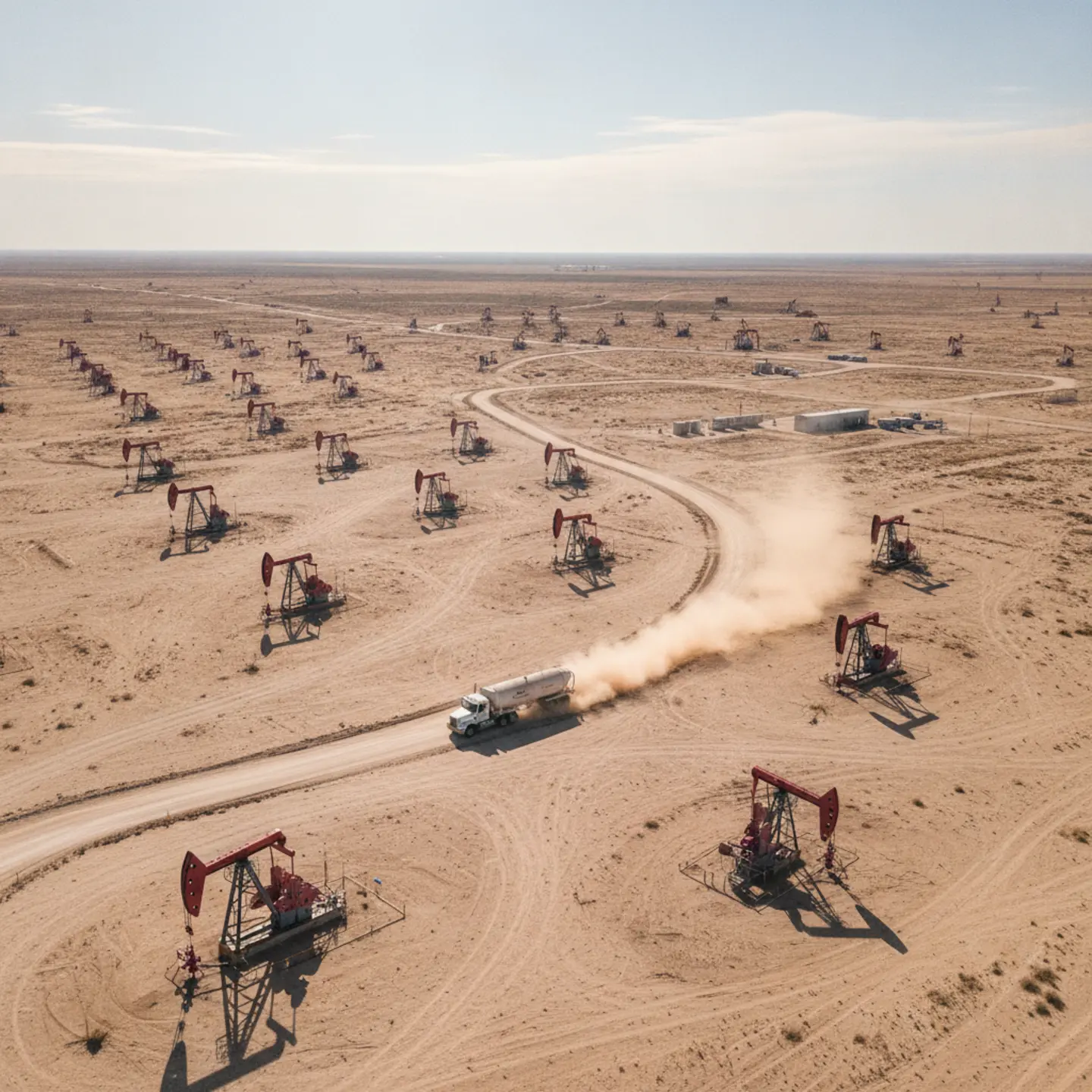
The numbers behind this market aren’t abstract — they translate directly into load volume and driver demand. The Permian Basin is running 273 active rigs with approximately 135 active frac spreads as of November 2026. The Eagle Ford Shale in South Texas adds another 55–60 rigs and 20–25 spreads. Both basins are generating consistent, predictable sand demand that shows no sign of slowing.
Here’s what makes this market particularly strong for Owner-Operators: modern Permian wells now consume 10,000–15,000 tons of sand per completion — a 200–300% increase from 2015 volumes. That single stat translates to 400–600 truckloads per well. With completion activity running at current pace, the math on load availability is straightforward.
The shift to in-basin sand has also changed the economics. Over 95% of Permian sand is now sourced locally from Texas mines, which has dramatically shortened haul distances. The model has shifted from long-haul mileage to high-turn, per-load revenue — rewarding efficiency and minimizing downtime. WTI crude at $78.50/barrel sits comfortably above the $70–$75 profitability floor most E&P operators need to maintain active completion schedules. On top of that, Texas faces a shortage of 50,000+ qualified CDL drivers — making experienced Owner-Operators one of the most sought-after resources in the oilfield right now. If you want to understand whether the economics actually pencil out, this breakdown of whether frac sand hauling is worth it in 2026 runs the real numbers.
Owner-Operator Economics: What You Can Actually Earn
The gross numbers get thrown around in recruiting ads. Here’s what they actually mean — and what comes out the other side.
Hopper bottom rates in Texas run $18–$23/ton. On a standard load of 23–25 tons, that’s approximately $414–$575 per load. Running 4–5 loads per day, five days a week, puts your gross between $8,640 and $13,800 for the week. Pneumatic tanker rates run higher — $27–$40/ton, or approximately $621–$1,000 per load — but you’ll typically turn 2–3 loads per day due to longer hauls and unloading time. Weekly gross potential: $6,480–$14,400. For a deeper side-by-side on the two equipment types, hopper bottom vs. pneumatic frac sand hauling covers the trade-offs in detail.
Now subtract reality. A realistic weekly cost stack for a Texas Owner-Operator looks like this: truck payment ($600), trailer rental ($350), fuel (~$2,000 based on Gulf Coast diesel at approximately $5.50/gallon with Sisu’s fuel discount applied), insurance ($150), maintenance reserve ($250), and miscellaneous permits and PPE ($150) — totaling roughly $3,500 per week in fixed and variable costs. The carrier’s revenue share (typically 10–20%) covers insurance, compliance, dispatch, and access to direct freight — and eliminates the need to carry your own authority, which would cost $10,000+ upfront.
According to ATBS benchmarking data, Owner-Operators in specialized bulk segments gross an average of $220,000 annually, with net income averaging ~$75,000 after all expenses. Top performers exceed $300,000 gross. The spread is wide — and carrier selection is one of the biggest variables.
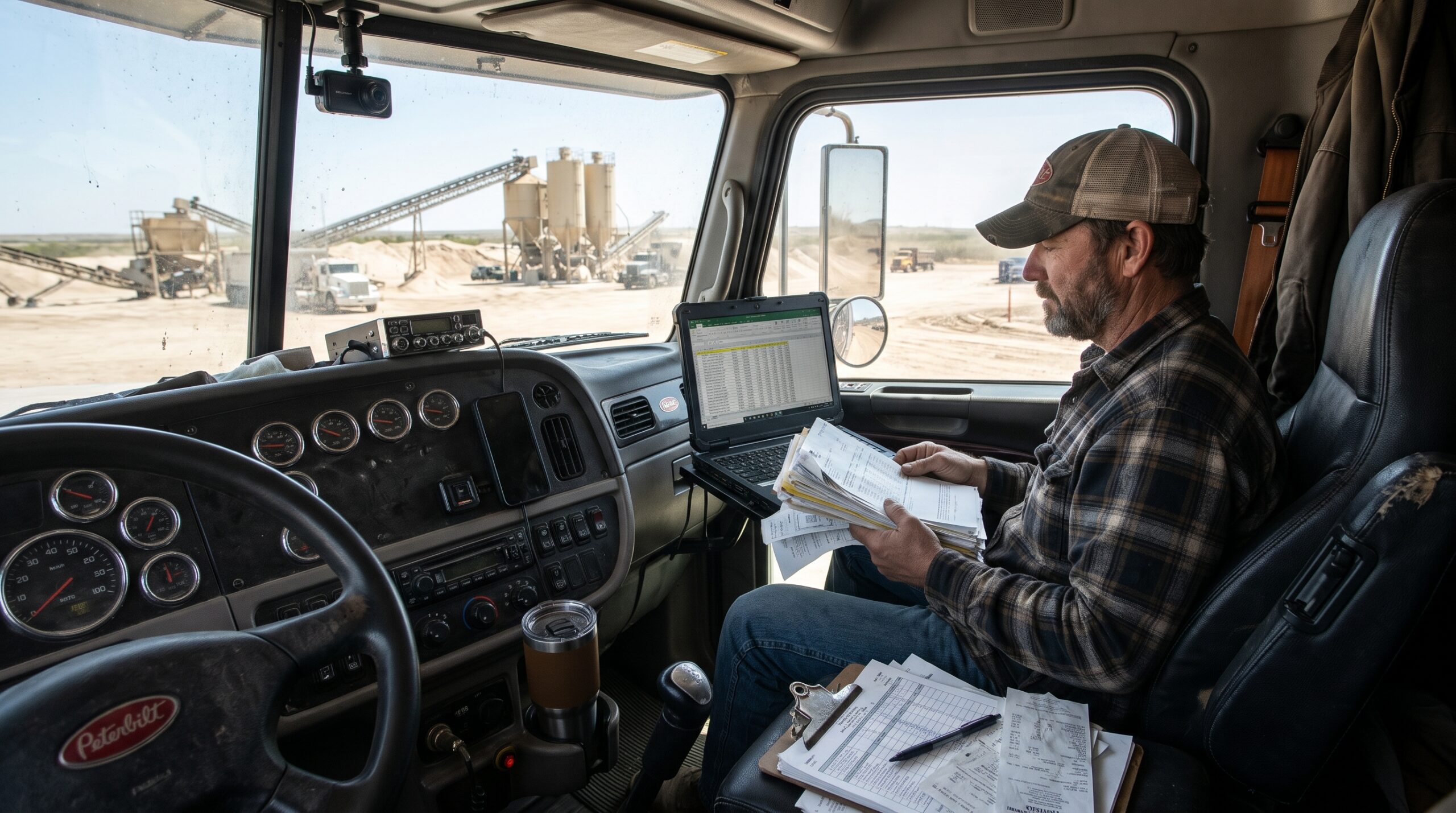
Many new O-Os are blindsided by “two weeks in the hole.” You won’t see your first paycheck until Friday of week 3, but you’ll need to cover fuel, insurance, and truck payments starting day one. This is why having 2–3 weeks of cash reserves is non-negotiable.
One more variable that catches new drivers off guard: fuel surcharges (FSC) are not guaranteed. Whether FSC is passed through to your settlement depends entirely on the carrier’s contract with the E&P operator. Always ask — and get the answer in writing.
Regulatory Requirements and Certifications You Need
The federal minimums are a Class A CDL and a current DOT Medical Certificate. No special endorsements are required for hopper bottom or pneumatic trailers — the “N” endorsement applies to liquid tankers, not dry bulk. But the oilfield adds its own layer of requirements on top of federal minimums.
PEC/Safeland is the non-negotiable passport to oilfield sites. It’s a one-day course (~$200) recognized by every major E&P operator in the country. It doesn’t expire. Without it, you cannot be dispatched to a well site — period. H2S Awareness is an annual online certification (~$20, 45 minutes) covering hydrogen sulfide hazards and monitoring equipment. Both are standard requirements across all Texas oilfield carriers. You can apply without them, but you cannot earn without them — so get them done before you start.
Beyond certifications, know your FMCSA standing. Your carrier must have a “Satisfactory” safety rating — verify this for free at safer.fmcsa.dot.gov. A “Conditional” rating is a hard red flag: it signals safety problems, higher insurance costs, and more frequent roadside inspections. Your own Drug & Alcohol Clearinghouse record matters too — any active violation makes you ineligible to operate until you complete the SAP return-to-duty process. Carriers also pull your PSP report, which shows 5 years of crash history and 3 years of roadside inspection data. A clean PSP makes you a more attractive candidate and can open doors to better-paying divisions.
Top Frac Sand Trucking Companies Hiring Owner-Operators in Texas
There are hundreds of carriers with Texas authority to haul sand, but the number of established, well-run operators is much smaller — likely 50–75. The differences between them are not subtle. Dispatch fairness, payment terms, escrow policies, and freight quality vary wildly. Here’s how the major categories break down.
1. Sisu Energy LLC — 100% Owner-Operator-First
Sisu Energy is built from the ground up as a 100% Owner-Operator fleet — no company trucks, no internal competition for loads. With six hauling divisions across Texas and Pennsylvania/Ohio (STX Pneumatics, STX Hopper Bottom, WTX Bottom Drop, NTX Pneumatics, Houston Pneumatics, and PA/OH Pneumatics), drivers can choose the region, equipment type, and schedule that fits their life without leaving the Pack.
Pay is weekly Friday direct deposit with no escrow and minimal deductions. Dispatch runs 24/7 with live human dispatchers and a rotary load distribution system — every driver gets a fair turn at the next available load, regardless of seniority. The tech stack (Motive ELDs, Ditat TMS, Tenstreet onboarding) is designed to reduce waste and maximize loaded miles. Fuel cards carry no fees, and the fuel program delivers a 10–12% discount off market rate. Sisu is actively recruiting across all divisions with no tractor age restrictions — if your truck is well-maintained and DOT-compliant, you’re eligible. Learn more about joining Sisu’s Owner-Operator fleet.
2. Major Basin Carriers (Permian-Focused, Mixed Fleet Model)
The large Permian-focused carriers typically run a mix of company trucks and leased Owner-Operators. They often hold direct contracts with major E&P operators like Chevron and Diamondback, which means access to more stable, higher-paying freight. The trade-off: company drivers can receive priority on premium loads, and newer Owner-Operators may wait longer for turns. Many of these carriers hold $1,000–$2,500 in escrow, reducing your immediate cash flow. Payment cycles range from weekly to bi-weekly. If you’re evaluating one of these carriers, ask directly how load priority is determined and whether escrow is negotiable.
3. Eagle Ford Shale Specialists (South Texas, Stable Demand)
The Eagle Ford is a mature, stable market. With 55–60 active rigs and 20–25 frac spreads, it doesn’t match the Permian’s volume — but it offers more predictable lanes and less competition for loads. Rates run slightly lower than Permian (hopper bottom $18–$21/ton; pneumatic $26–$36/ton) due to shorter hauls, but many drivers prefer the consistency. Regional carriers in the Laredo and San Antonio corridors tend to have more personal dispatch relationships and less corporate structure. If you have South Texas experience or are willing to relocate to the STX corridor, these carriers offer steady, reliable work.
4. Smaller Independent Carriers and Owner-Operator Fleets
Smaller carriers (5–20 trucks, often founded by former drivers) can offer flexibility and personal treatment — or chaos, depending on management. The upside: if the carrier is well-run, you may get better attention, faster problem resolution, and a genuine long-term relationship. The downside: undercapitalized small carriers struggle with consistent freight and can leave you sitting for days. Before signing with any small carrier, verify their FMCSA rating, ask for a sample pay sheet, and call current drivers. A carrier that resists those questions is telling you something important.
| Carrier Type | Fleet Model | Pay Cycle | Escrow | Dispatch | Load Competition |
|---|---|---|---|---|---|
| Sisu Energy | 100% Owner-Operator | Weekly Friday | None | 24/7 Live Human, Rotary | None — no company trucks |
| Major Basin Carriers | Mixed (Company + OO) | Weekly–Bi-weekly | $1,000–$2,500 | Varies; often seniority | Competes with company trucks |
| Eagle Ford Specialists | Mixed / Regional OO | Weekly–Bi-weekly | Varies | Often rotary or fair-turn | Low — less competition |
| Small Independents | 100% OO or small mixed | Highly variable | Varies | Personal / relationship-based | Low — but freight consistency varies |
Verification Checklist: How to Evaluate a Carrier Before You Sign
Every carrier sounds good in a recruiting call. Here’s how to separate the real ones from the ones that will cost you money and time.
- FMCSA Safety Rating — Go to safer.fmcsa.dot.gov and look up the carrier’s DOT number. It must say “Satisfactory.” A “Conditional” rating is a hard stop.
- Payment Terms — Ask for a sample pay sheet. Is it weekly? Are there deductions you weren’t told about? Is there an escrow hold? How long until your first check arrives?
- Fuel Program — What is the actual per-gallon discount? Are there card fees that eat into it? Is fuel surcharge passed through to your settlement?
- Dispatch System — Is it rotary (fair turns for every driver) or seniority-based? Is there a live human dispatcher available 24/7, or just an app?
- Direct Freight — Does the carrier hold direct contracts with E&P operators, or are they reselling spot market loads? Direct freight is more stable and typically pays better.
- Equipment Terms — If leasing, what is the weekly cost? Can you use your own truck? Are there mileage minimums or penalties for downtime?
- Reference Calls — Ask for contact info for 2–3 current Owner-Operators and actually call them. Ask about real take-home, downtime frequency, and how the carrier handles problems.
- Red Flags — Vague answers, pressure to decide immediately, promises of guaranteed loads, or a requirement to lease equipment from them as a condition of work.
Never sign with a carrier that has a “Conditional” FMCSA safety rating, won’t provide a clear pay sheet, holds an escrow without negotiation, or pressures you to lease equipment from them as a condition of work. These are signs of a carrier that prioritizes their margin over your business.
Before signing a lease, ask the carrier for contact info of 2–3 current Owner-Operators and call them. Ask about real take-home pay, downtime frequency, and how the carrier treats drivers. These conversations are worth their weight in gold and will reveal truths that no recruiter will tell you.
Common Mistakes Owner-Operators Make When Choosing a Carrier
The oilfield is full of experienced drivers who made expensive mistakes early on. These are the most common — and the most avoidable.
- Chasing sign-on bonuses without reading the fine print. Bonuses are often paid in small increments over 6–12 months and forfeited entirely if you leave before the term ends. A $5,000 bonus paid at $400/month is not a bonus — it’s a retention lock.
- Ignoring the “two weeks in the hole” cash flow gap. You must have 2–3 weeks of operating capital before your first paycheck. Drivers who don’t plan for this end up making desperate decisions — like staying with a bad carrier because they can’t afford to leave.
- Accepting an escrow hold without negotiating. A $2,000 escrow is $2,000 out of your pocket that you won’t see for months. Some carriers will negotiate this down or eliminate it entirely for drivers with clean records.
- Skipping the FMCSA check. A “Conditional” carrier means higher insurance costs and more roadside inspections — both of which hit your bottom line directly.
- Assuming all frac sand work is the same. Rates, dispatch fairness, and freight consistency vary wildly. The difference between a well-run carrier and a poorly-run one can be $1,000–$3,000 per week in net take-home.
- Overestimating guaranteed home time or load volume. The oilfield is volatile. Carriers with diversified customer bases across multiple E&P operators weather downturns far better than those dependent on a single customer. For a closer look at how load rates and turn counts interact, this comparison of load rates vs. turns in frac sand hauling breaks it down clearly.
Why Sisu Energy Is the Right Choice for Owner-Operators in Texas
Every point in this guide comes back to the same question: does the carrier’s business model actually serve your business? Sisu Energy’s answer is a 100% Owner-Operator fleet with zero company trucks — which means no internal competition for loads, ever. Every driver gets a fair turn at the next available freight through a rotary dispatch system, backed by 24/7 live human dispatchers who pick up the phone.
Six hauling divisions across Texas and Pennsylvania/Ohio let you choose the region, equipment type, and schedule that fits your life — hopper bottom in the Permian, pneumatic in South Texas, Mon–Fri daytime in North Texas. Weekly Friday direct deposit with no escrow means you control your cash flow from day one, not the carrier. The fuel program delivers a 10–12% discount off market rate with no card fees. Deductions are minimal and transparent — no hidden line items on your settlement.
Sisu was built by drivers who understand Owner-Operator economics. Leadership — Jim Grundy, Forbes Scott, and Don Washburn — prioritizes Pack culture and driver success, not just fleet volume. The tech stack (Motive ELDs, Ditat TMS, Tenstreet onboarding) is designed to reduce waste and maximize loaded miles, paired with the human dispatch relationship that actually matters when something goes wrong at 2 a.m. on a South Texas lease road. You can learn more about the team and the model on the Sisu Energy About Us page.
Apply today and start earning with a carrier that puts you first — join the Sisu Pack.
Frequently Asked Questions About Frac Sand Trucking Jobs in Texas
How long does it take to get paid? Do I have to wait a month?
Payment timing depends entirely on the carrier. Many modern carriers pay weekly, but “two weeks in the hole” is standard industry practice — your first check arrives Friday of week 3, covering all loads completed in week 1. This lag exists because the carrier needs to bill the customer and process the settlement before paying you. This means you need 2–3 weeks of cash reserves to cover fuel and expenses before your first settlement arrives. Always ask a potential carrier about their specific payment cycle, whether they hold any escrow, and how long until your first check — and get it in writing.
Can I get enough work with just a hopper bottom, or do I need a pneumatic trailer to make real money?
You can be highly successful with either. Hopper bottom work in the Permian is built on a high-volume, short-haul model — 4–5 turns per day at approximately $414–$575 per load. Pneumatic work often involves longer hauls with higher per-ton rates (approximately $621–$1,000 per load) but fewer daily turns (2–3). Your weekly gross potential can be very similar with both equipment types; the difference comes down to your work ethic, the carrier’s freight network, and your preferred schedule. Choosing between them is more about operational fit than raw earning potential.
My truck is a 2015. Will companies in the oilfield even hire me?
Yes — many Owner-Operator-focused carriers have no age restrictions on tractors. As long as your truck is well-maintained, reliable, and passes a DOT inspection, its model year is not a barrier to entry. This is a major financial advantage for Owner-Operators who own older, paid-off equipment: you keep significantly more of your gross earnings because you’re not carrying a large truck payment every week. A paid-off 2015 that runs clean beats a brand-new truck with a $1,500/month payment in net take-home terms.
What’s the hardest part about switching from a company driver to an Owner-Operator in the sand patch?
The biggest challenge is financial discipline and the mindset shift from employee to small business owner. You are now responsible for managing cash flow to cover expenses during your first few unpaid weeks, building a maintenance reserve for unexpected repairs, and making smart decisions about when to run and when to rest. Many drivers underestimate the importance of having 2–3 weeks of operating capital before their first paycheck. The drivers who struggle most are the ones who treat it like a job — the ones who thrive treat it like the business it is.
What makes Sisu Energy different from other frac sand trucking companies?
Sisu is built 100% Owner-Operator-first — no company trucks competing for your loads, no escrow holding your money, and 24/7 live human dispatch with rotary load distribution so every driver gets a fair turn. Six divisions across Texas and Pennsylvania/Ohio let drivers choose the region, equipment type, and schedule that fits their life, with weekly Friday direct deposit, minimal deductions, and a transparent pay structure. Most importantly, Sisu was founded by drivers who understand Owner-Operator economics — your success is our success. Apply today and start earning with a carrier that puts you first.
Ready to Haul Frac Sand in Texas With a Carrier That’s Built for You?
The Permian Basin and Eagle Ford are running strong, the driver shortage is real, and Sisu’s six divisions are actively hiring Owner-Operators right now. No escrow. No company trucks stealing your loads. Just weekly direct deposit and 24/7 live dispatch in your corner.
*Sisu Energy LLC contracts exclusively with independent Owner-Operators. Earnings vary by division, miles, fuel costs, and individual business factors, and no specific income is guaranteed. Programs, lease rates, and requirements are subject to change. Please contact Sisu Energy directly for current opportunities and division details.