Frac Sand Hauling in the Permian Basin: Owner-Operator Rates, Costs & Market Outlook for 2026
- Owner-Operators hauling frac sand in the Permian Basin can gross $5,000–$9,000+ per week, with realistic net take-home of $1,000–$3,000+ after fuel, insurance, truck payments, and maintenance reserves.
- With 261 active rigs and 35–40 active frac spreads consuming 100,000–130,000 tons of sand weekly as of July 2026, load availability in the Permian Basin remains strong — and the global frac sand market is projected to grow 6.3–9.7% annually through 2033.
- Detention pay can represent 10–20% of gross weekly earnings — and nearly half of frac sand haulers report unpaid or underpaid wait time, making a carrier’s detention policy one of the most important factors to evaluate before signing.
- Essential certifications for Permian wellsite access include PEC/Safeland, H2S Awareness training, and Respiratory Fit Testing — lapsed credentials mean immediate denial of site access and lost income.
- Trust Sisu Energy for a 100% Owner-Operator fleet, 24/7 live human dispatch, no escrow, and a fuel program that saves you $5,000–$15,000 annually — visit Sisu Energy to take control of your future.
What Do Owner-Operators Really Earn Hauling Frac Sand in the Permian Basin in 2026?
Owner-Operators hauling frac sand in the Permian Basin can gross $5,000–$9,000+ per week, with net take-home typically ranging from $1,000–$3,000+ after all operating costs. However, the difference between gross and net income depends heavily on fuel prices, maintenance costs, detention pay practices, and the carrier’s deduction structure. Understanding the full cost picture—from diesel prices and equipment maintenance to regulatory requirements and market dynamics—is essential for maximizing profitability in this specialized sector.
This guide breaks down current rates, operating costs, market conditions, and regulatory requirements to help you evaluate whether frac sand hauling is the right move for your business.
Sisu Energy
100% Owner-Operator — You Never Compete With Company Trucks
Core Service Programs:
- Pneumatic Frac Sand Hauling for owner-operators running STX and PA/OH oilfield lanes
- Hopper Bottom Frac Sand Hauling for owner-operators across the Permian, West Texas, and South Texas
- Cement Hauling for owner-operators running Monday–Friday daytime lanes in North Texas and Houston
Why Choose Sisu Energy:
- ✓ 100% Owner-Operator fleet — you never compete with company trucks for loads
- ✓ 24/7 live human dispatch with a fair rotary load distribution system
- ✓ No escrow, no fuel card fees, and minimal deductions
- ✓ Weekly direct deposit, paid every Friday
- ✓ Fuel program with a 10–12% discount off market rate
- ✓ Fast, streamlined onboarding — no orientation required
Permian Basin Drilling Activity & Frac Sand Demand in 2026
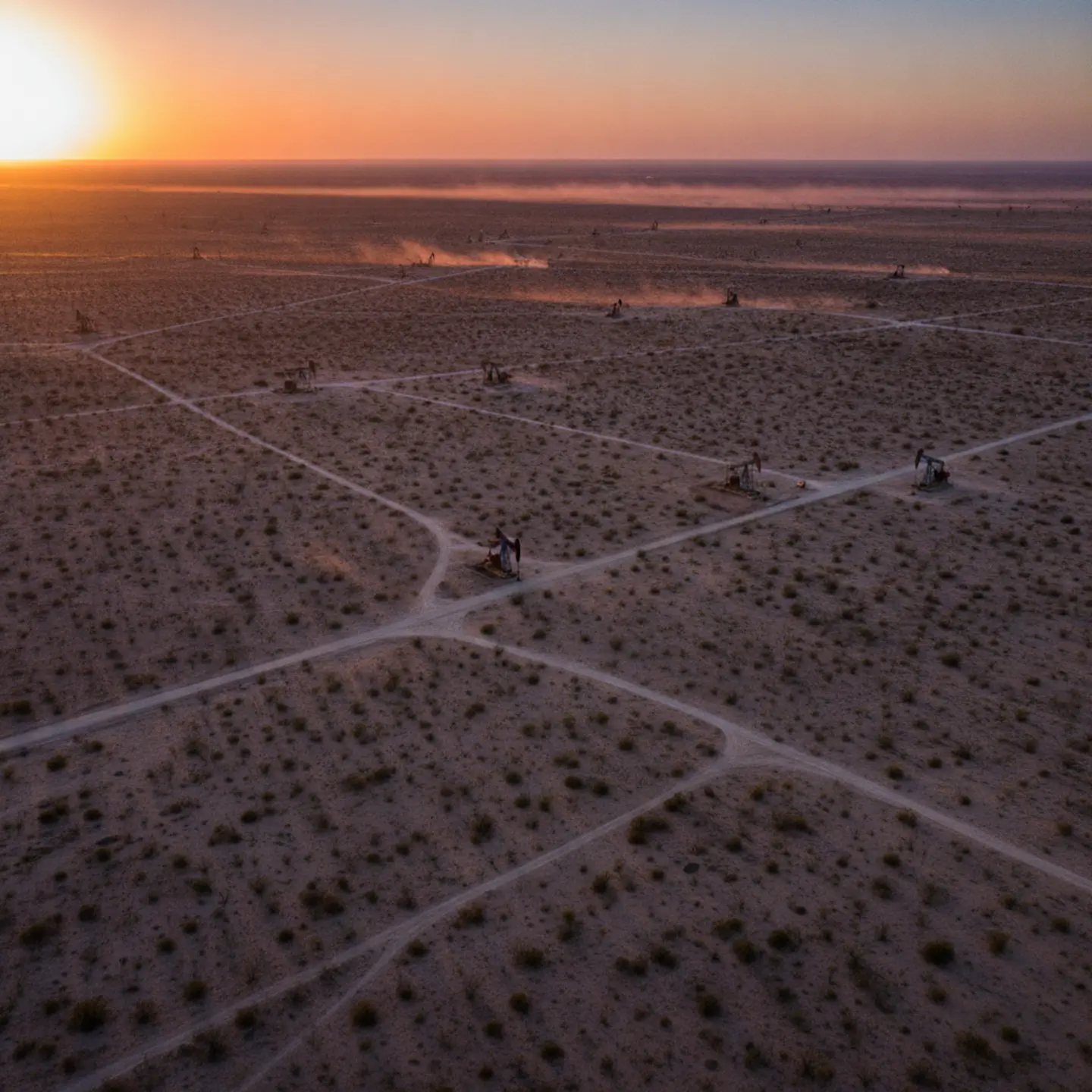
The fundamentals driving frac sand hauling demand in 2026 are real and measurable. As of July 2, 2026, the Permian Basin has 261 active rigs (Baker Hughes data via Petroleum News), with approximately 35–40 active frac spreads consuming between 100,000 and 130,000 tons of sand every week. Eagle Ford Shale activity is running three rigs above comparable 2025 levels, signaling that operators remain committed to completion programs across both basins.
Longer laterals and multi-stage completions are the structural force behind sustained proppant demand. As operators push horizontal reach further and stack more frac stages per well, the volume of sand required per completion climbs — and that sand has to move by truck. The global frac sand market is projected to grow at a CAGR of 6.3–9.7% annually through 2033, with North America — and the Permian specifically — driving the bulk of that volume.
One of the most consequential shifts for Owner-Operators is the rise of in-basin sand development near Kermit and Winkler County. West Texas white sand now fulfills an estimated 50–70% of Permian demand, which has compressed long-haul transport from outside Texas and concentrated hauling activity on last-mile logistics — typically 20 to 100-mile runs from mine or transload to wellsite. That shift is good news for drivers optimized for high-turn local routes. WTI crude oil at $77.84/barrel as of mid-2026 keeps E&P budgets healthy and completion rates steady — the $70/barrel threshold that sustains current activity levels remains comfortably cleared.
Current Frac Sand Hauling Rates by Distance & Equipment Type
Rate structure in frac sand hauling is driven by haul distance, equipment type, and turn frequency. Short-haul lanes reward efficiency — the ability to complete four or more turns in a day can outperform a single long-haul load at a higher per-ton rate. Here’s how the current Permian Basin rate landscape breaks down:
| Haul Distance | Rate Per Ton | Rate Per Load | Turns Per Day | Approx. $/Mile |
|---|---|---|---|---|
| Short-Haul (<50 mi) | $15–$22/ton | $300–$450/load | 4+ | ~$18/mile (30-mi haul) |
| Mid-Haul (50–150 mi) | $20–$30/ton | $450–$700/load | 2–3 | ~$7/mile (100-mi haul) |
| Long-Haul (>150 mi) | $25–$40+/ton | $600–$1,000+/load | 1–2 | Varies |
| Pneumatic Premium (over hopper) | +$20–$25/ton | +$500–$625/load | Varies | — |
For drivers evaluating short-haul versus long-haul strategy, the math often favors short-haul volume. Four turns at $430/load in a short-haul Permian lane generates $1,720 in a single day — comparable to or better than two long-haul loads at higher per-load rates, with less fuel burn and less wear. If you want a deeper breakdown of how load rates and turn frequency interact, the load rates vs. turns analysis for frac sand hauling breaks it down in detail.
Operating Costs: The Real Impact on Net Take-Home Pay
Gross revenue is the number that gets attention. Net take-home is the number that matters. Frac sand hauling carries a higher operating cost burden than general freight — rough caliche lease roads accelerate tire wear, blower systems require specialized maintenance, and oilfield insurance premiums reflect the risk profile of the work.
Fuel is the largest variable expense. Gulf Coast retail diesel was $4.415/gallon as of June 23, 2026 (EIA via YCharts), with the EIA’s 2026 STEO projecting a full-year average of $4.76/gallon. That volatility directly compresses or expands your net margin week to week. Fixed weekly costs for a typical Permian Owner-Operator include: truck payment (~$600), trailer rental (~$350 for WTX hopper bottom), insurance ($150–$300 depending on coverage type), maintenance reserves ($200–$250), and miscellaneous expenses including permits and PPE (~$150+). When you add it up, annual operating expenses excluding fuel and major unplanned repairs exceed $90,000.
Equipment downtime is the risk most drivers underestimate. A single blower failure can cost $2,000–$5,000 in parts and labor — and the week of lost revenue while your truck is sidelined adds another $4,500–$5,500 on top of that. Preventive maintenance ($500–$1,000 annually) is not optional; it’s insurance against a much larger loss. For a full breakdown of how equipment type affects your cost structure and income potential, the hopper bottom vs. pneumatic frac sand comparison covers the tradeoffs in depth.
A fuel discount program offering just 10–15% off market rates can save you $5,000–$15,000 per year. When evaluating carriers, factor fuel savings into your total compensation package — it’s often the difference between a good year and a great one.
Detention Pay: A Hidden Income Stream (or Loss)
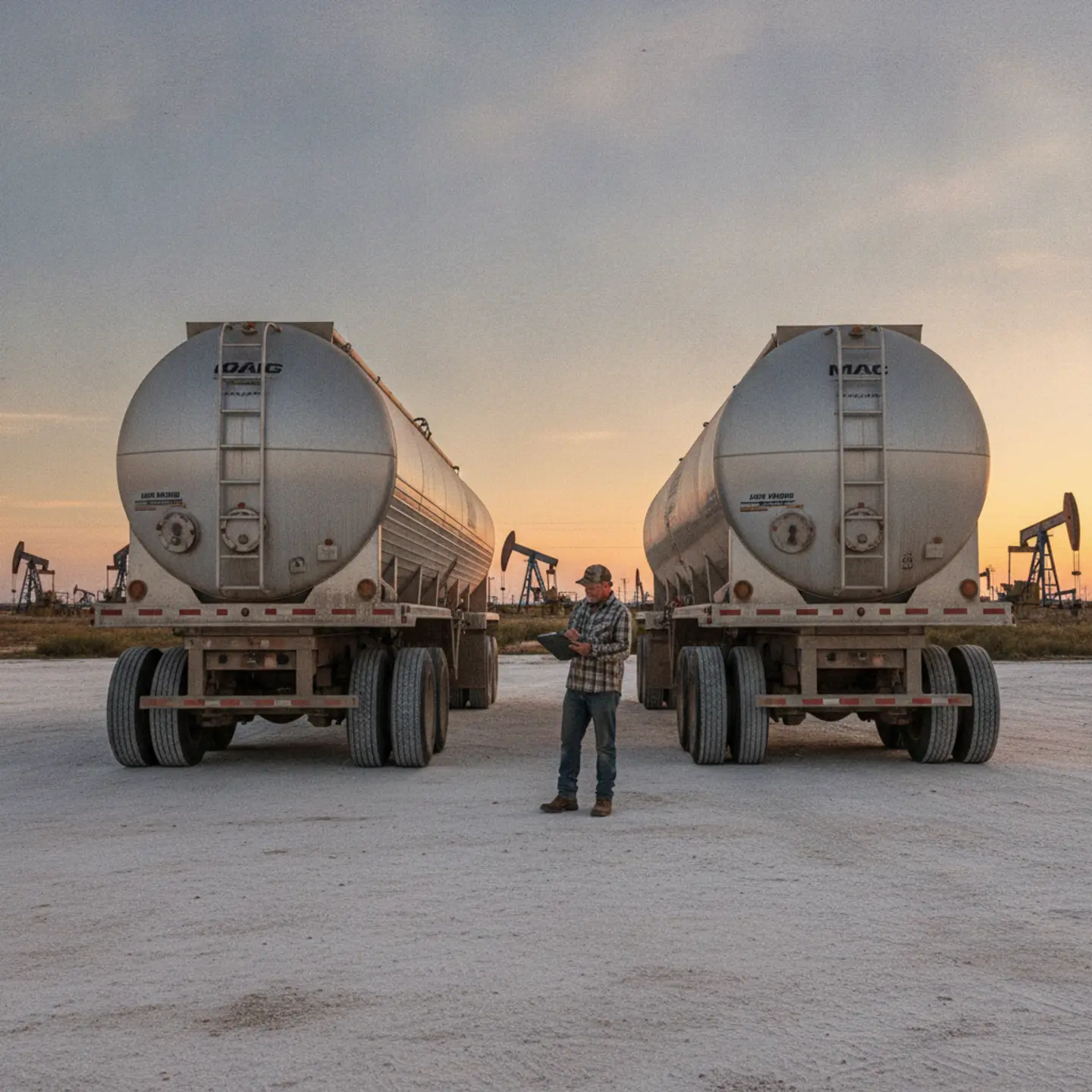
Detention pay is one of the most consequential — and most overlooked — components of an Owner-Operator’s weekly income. When you’re sitting at a wellsite or sand mine waiting to load or unload, your truck isn’t moving and your clock is running. Fair detention compensation turns that wait into paid time. Unpaid detention turns it into a direct loss.
Active Permian drivers report detention representing 10–20% of gross weekly earnings. Industry-standard fair rates run $75–$100/hour after 1–2 hours of free time. The financial math is stark: two hours of billable detention per load across 15 loads per week at $75/hour equals roughly $375/week — or more than $17,000 annually. That’s income you either capture or forfeit based entirely on your carrier’s detention policy.
Nearly half of frac sand haulers report unpaid or underpaid detention time, which can cost you $17,000+ annually. Before signing with any carrier, get their detention policy in writing and ask current drivers about their real-world experience with payment.
Regulatory Requirements & Safety Certifications for Frac Sand Haulers
Compliance in oilfield trucking isn’t optional — a lapsed certification or a missed inspection means denied wellsite access, missed loads, and lost income. Here’s what you need to operate legally and safely in Permian Basin frac sand lanes:
- PEC/Safeland Certification: The industry-wide prerequisite for wellsite access across Texas and the Permian Basin. Generally no expiration date, though some operators require periodic refreshers. One-time cost is approximately $200.
- H2S Awareness Training: Annual requirement. Lapsed certification means immediate denial of wellsite access. Budget approximately $20 per year for online renewal.
- Respiratory Fit Testing: Also annual. Required for drivers accessing sites where H2S exposure is possible. Cost runs approximately $30–$50 per year.
- CDL Medical Certificate: Must be current and self-certified with your state licensing agency. No exceptions.
- FMCSA Drug & Alcohol Testing (Part 382): Pre-employment, random, post-accident, return-to-duty, and follow-up testing are all mandatory. When leased to a carrier, the carrier administers the program.
- FMCSA Clearinghouse: Any violation recorded in the Clearinghouse can permanently affect your ability to drive for a regulated carrier. Register and stay current.
- ELD Mandate: Broadly required, though the short-haul exemption may apply to drivers operating within 150 air-miles of their home base and returning within 14 hours — relevant for many Permian loops. Confirm with your carrier which divisions qualify.
Texas DPS actively enforces commercial vehicle safety on West Texas roads. Violations negatively impact your CSA score, triggering increased inspection frequency and higher insurance premiums — a compounding cost that follows you. Stay current on certifications, maintain your equipment, and treat compliance as part of your operating budget, not an afterthought.
Choosing the Right Frac Sand Carrier: Key Evaluation Criteria
Your carrier partner is one of the most consequential business decisions you’ll make as an Owner-Operator. The wrong carrier costs you thousands per month in hidden fees, unfair dispatch, and unpaid detention. The right carrier amplifies your earnings and protects your business. Here’s what to evaluate before you sign:
- FMCSA CSA Scores & SAFER Records: Pull the carrier’s safety data before any conversation. Poor safety ratings affect your operational environment and insurance costs directly.
- Deduction Transparency: Request a complete breakdown of every recurring weekly charge and one-time fee. Ask for a sample settlement statement. If they won’t provide one, walk away.
- Escrow Practices: Understand exactly how escrow funds are managed and under what conditions they’re released. Reputable carriers explain this clearly — because they have nothing to hide.
- Dispatch Fairness: Ask how loads are assigned, what the typical weekly load volume looks like, and how the carrier ensures equitable distribution among drivers. A rotary dispatch system is a strong signal of fairness.
- Detention Policy in Writing: Get the free-time allowance, hourly rate, and payment submission process documented before you sign. Verbal promises don’t pay your bills.
- Fuel Program: A 10–15% discount off market rates translates to $5,000–$15,000 in annual savings. Factor this into your total compensation comparison — it’s real money.
- Talk to Current Drivers: Ask for contact information of active Owner-Operators leased to the carrier. Real-world experience from peers is the most reliable signal you’ll find.
If a carrier won’t provide a clear breakdown of deductions, escrow terms, or detention policies before you sign, that’s a red flag. Your business depends on understanding exactly where your money goes. Reputable carriers are transparent because they have nothing to hide.
For a broader look at how the best frac sand carriers in Texas compare on pay, dispatch, and driver experience, the Texas frac sand carrier reviews and pay comparison is worth your time before you commit.
Market Shifts & Structural Changes Affecting Frac Sand Hauling in 2025–2026
The frac sand logistics landscape is not static. Several structural shifts are reshaping where the work is, how it moves, and what it pays — and Owner-Operators who understand these changes are better positioned to make smart decisions about equipment, routes, and carrier partnerships.
In-basin sand now dominates Permian supply. With 50–70% of Permian demand fulfilled by West Texas mines, the long-haul sand transport model has been compressed. The action is in last-mile logistics — 20 to 100-mile runs from mine or transload to wellsite. Drivers optimized for high-turn short-haul routes are well-positioned in this environment.
New conveyor infrastructure is a factor, not a threat. Atlas Energy Solutions launched the Dune Express conveyor system in January 2025, aiming to deliver sand directly to key Permian sites without trucks in certain corridors. This reduces truck-based long-haul demand in specific lanes — but truck-based last-mile delivery remains essential to E&P operations and is not being displaced by conveyor systems.
E&P consolidation favors larger pad development. The wave of operator mergers has placed more Permian acreage under better-capitalized companies running larger pads, longer laterals, and higher proppant volumes per well. That means more sand per completion — sustaining hauling demand even if the rig count doesn’t surge.
The driver shortage is your leverage. Qualified Owner-Operators remain in short supply relative to demand. Carriers are competing for your business — which means you have real negotiating power on pay structure, detention terms, and fuel programs. Use it. Seasonal demand spikes in Q1 and Q2, driven by E&P front-loading of capital spending, create windows of elevated load availability and spot rates. Position yourself with the right carrier before those windows open.
Why Sisu Energy Is the Right Choice for Permian Basin Owner-Operators
Everything covered in this guide — rates, costs, detention pay, certifications, carrier evaluation — points to the same conclusion: the carrier you choose determines how much of your gross revenue you actually keep. Sisu Energy was built specifically to maximize that number for Owner-Operators.
Sisu operates a 100% Owner-Operator fleet with zero company trucks. That means no internal competition for loads — your success directly drives the company’s success, and every dispatch decision reflects that alignment. The 24/7 live human dispatch with rotary load distribution ensures fair, consistent load assignment across a diversified customer base, so you’re not at the mercy of a faceless algorithm or a dispatcher playing favorites.
On the financial side, Sisu keeps your money where it belongs — in your account. No escrow accounts. Weekly Friday direct deposit. A transparent deduction structure with no hidden fees. The fuel program delivers a validated 11.5% average savings off market rates (March–April 2026 data), translating to $5,000–$15,000 in annual savings that directly protect your bottom line against diesel volatility. That’s not a marketing claim — it’s a documented number.
Sisu’s four specialized divisions across Texas and PA/OH give you the flexibility to choose your hauling type, region, and schedule — and to stay with the same carrier as your business evolves. Whether you’re running WTX hopper bottom loads in the Permian or pneumatic lanes in South Texas, you’re part of the same Pack with the same support structure behind you.
Join Our Pack and take control of your future — apply with Sisu Energy today.
Frequently Asked Questions: Frac Sand Hauling in the Permian Basin
What is the typical gross income for Owner-Operators hauling frac sand in the Permian Basin?
Owner-Operators in the Permian Basin can expect to gross between $5,000 and $9,000+ per week, with industry averages around $5,634/week (Indeed, March 2026). Experienced drivers in high-turn short-haul lanes often exceed this range. This earning potential reflects the specialized nature of frac sand hauling and the strong underlying demand from E&P completion activity — but gross is not net, and your actual take-home depends heavily on your cost structure and carrier’s deduction practices.
How do operating costs impact net take-home pay for frac sand Owner-Operators?
Operating costs in frac sand hauling run significantly higher than general freight due to specialized equipment maintenance, accelerated tire wear from caliche roads, and substantial insurance premiums. After accounting for all expenses — fuel, truck payment, trailer lease, insurance, maintenance reserves, and miscellaneous costs — realistic net take-home for Permian Owner-Operators typically ranges from $1,000–$3,000+ per week on a gross of $5,000–$9,000+. A thorough understanding of your full cost structure, including the risk of unplanned downtime, is essential for maintaining profitability over time.
What essential safety certifications are required for frac sand Owner-Operators in Texas?
To gain wellsite access in Texas, Owner-Operators typically need PEC/Safeland (generally no expiry, one-time cost ~$200), H2S Awareness training (annual, ~$20), and a Respiratory Fit Test (annual, ~$30–$50). Lapsed certifications result in immediate denial of wellsite access — no exceptions — which means missed loads and lost income. Budget these costs into your annual operating plan and track renewal dates the same way you track your CDL medical certificate.
How does the shift to in-basin sand mines affect frac sand hauling opportunities?
In-basin sand development has concentrated hauling activity on shorter, higher-turn last-mile routes — typically 20 to 100 miles from mine to wellsite — rather than long-distance hauls from outside Texas. This shift creates consistent local and regional work that often favors Owner-Operators optimized for multiple daily turns. New conveyor systems like the Dune Express are reshaping logistics in specific corridors, but truck-based last-mile delivery remains critical to E&P operations and is not being displaced at scale.
What makes Sisu Energy different from other frac sand carriers?
Sisu Energy operates a 100% Owner-Operator fleet with no company trucks competing for your loads — your success directly drives the company’s success. The model is built around driver economics: 24/7 live human dispatch with rotary load distribution, no escrow accounts, weekly Friday direct deposit, a fuel program saving 10–15% off market rates (validated 11.5% average in March–April 2026), and four specialized divisions across Texas and PA/OH so you can choose your hauling type and region without switching carriers. If you’re ready to maximize your income with a carrier that puts Owner-Operators first, Apply Today to start the conversation with Sisu Energy.
Ready to Run Frac Sand in the Permian Basin?
You’ve done the research — now put it to work. Sisu Energy’s 100% Owner-Operator model, transparent pay structure, and 24/7 live dispatch are built around one goal: maximizing your take-home in the Permian Basin. No company trucks competing for your loads. No escrow holding your money. Just the run, the pay, and the Pack behind you.
*Sisu Energy LLC contracts exclusively with independent Owner-Operators. Earnings vary by division, miles, fuel costs, and individual business factors, and no specific income is guaranteed. Programs, lease rates, and requirements are subject to change. Please contact Sisu Energy directly for current opportunities and division details.