Field Training vs Video Bootcamp: Best Way to Learn Frac Sand Hauling Permian Basin
- Field training with an experienced mentor is the gold standard for Permian Basin frac sand hauling — video bootcamps can teach regulations and equipment basics, but cannot replicate hands-on blower operation, wellsite positioning, or real-time pressure management.
- The Permian Basin’s 258 active drilling rigs and 129 frac spreads (mid-2026) create sustained demand, but also a demanding operating environment — caliche roads, remote locations with no cell service, and high-intensity pneumatic operations that require practical experience, not screen time.
- The total upfront cost to be field-ready is approximately $675–$910 (certifications + trainer fee + PPE), and a $300 trainer fee is typically recovered within 1–2 weeks through increased productivity and fewer costly mistakes.
- Experienced Owner-Operators gross $8,000–$11,000 per week in the Permian Basin; new drivers typically start at $3,000–$5,000 per week and reach full productivity within 6–8 weeks with quality field training.
- Trust Sisu Energy for 100% Owner-Operator frac sand hauling, 24/7 live human dispatch, no escrow, and field training built into onboarding — visit Sisu Energy to learn more about joining the Pack.
Field Training vs Video Bootcamp: Which Method Actually Prepares You for Frac Sand Hauling in the Permian Basin?
Field training with an experienced mentor is the gold standard for preparing frac sand haulers in the Permian Basin. While video bootcamps can provide foundational knowledge about regulations and equipment, they cannot replicate the hands-on skills needed to operate pneumatic tankers safely, navigate caliche roads, manage wellsite protocols, and maximize earnings in real-world conditions. The Permian’s demanding environment — remote locations, limited cell service, high-pressure operations, and complex site dynamics — requires practical experience that only field mentorship delivers.
Understanding the difference between these two approaches is critical because your choice directly impacts your earning potential, safety, and long-term success as an Owner-Operator in the Permian Basin.
Sisu Energy
100% Owner-Operator — You Never Compete With Company Trucks
Core Service Programs:
- Pneumatic Frac Sand Hauling for owner-operators running STX and PA/OH oilfield lanes
- Hopper Bottom Frac Sand Hauling for owner-operators across the Permian, West Texas, and South Texas
- Cement Hauling for owner-operators running Monday–Friday daytime lanes in North Texas and Houston
Why Choose Sisu Energy:
- ✓ 100% Owner-Operator fleet — you never compete with company trucks for loads
- ✓ 24/7 live human dispatch with a fair rotary load distribution system
- ✓ No escrow, no fuel card fees, and minimal deductions
- ✓ Weekly direct deposit, paid every Friday
- ✓ Fuel program with a 10–12% discount off market rate
- ✓ Fast, streamlined onboarding — no orientation required
Why the Permian Basin Demands Practical Field Training
The Permian Basin is not a forgiving classroom. As of late June 2026, the basin hosts 258 active drilling rigs and 129 frac spreads — a sustained, high-intensity operational tempo that demands drivers who are ready to perform from day one. Permian wells require 5,000–10,000+ tons of frac sand per completion, significantly more than Eagle Ford operations, which means more trucks, more turns, and more pressure to execute efficiently every single run.
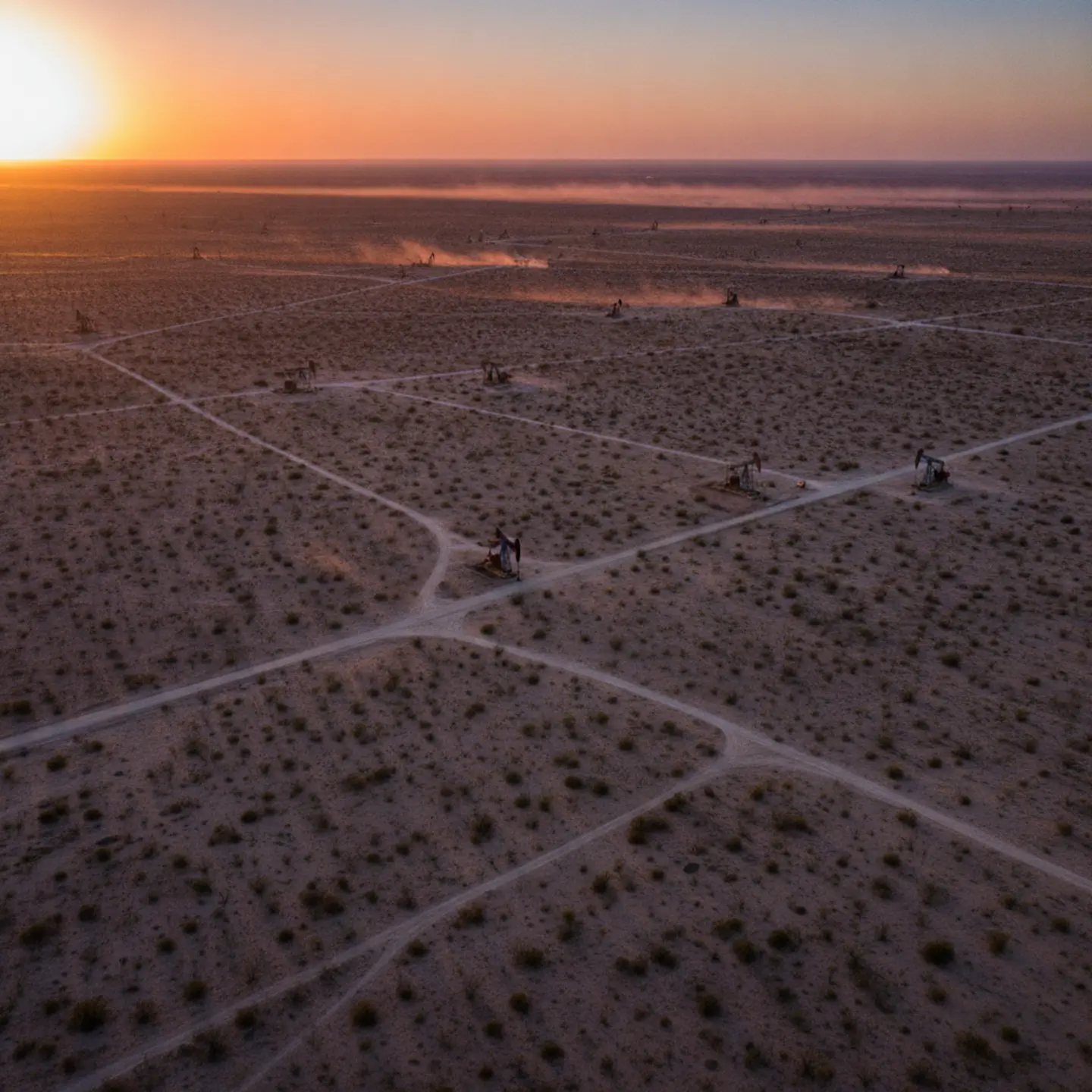
The physical environment compounds the challenge. Caliche roads, remote wellsite locations with zero cell service, extreme West Texas heat, and constant dust create conditions that no video can simulate. You either know how to navigate a rough lease road in a loaded pneumatic tanker at 3 a.m. — or you don’t. That knowledge comes from seat time, not screen time.
Pneumatic tanker operations dominate direct frac sand delivery in the Permian, commanding a premium of $20–$25 per ton more than hopper bottom work because of the specialized skills required. Owner-Operators who master wellsite positioning, blower operation, and detention management can gross $8,000–$11,000 per week. Those who arrive underprepared often struggle to reach $3,000–$5,000 per week — and some don’t make it past the first month. The gap between those two outcomes is almost always training quality. For a deeper look at the full earnings picture, the 2026 frac sand hauling earnings breakdown covers real numbers across haul distances and experience levels.
Field Training: How Carriers Prepare New Frac Sand Haulers
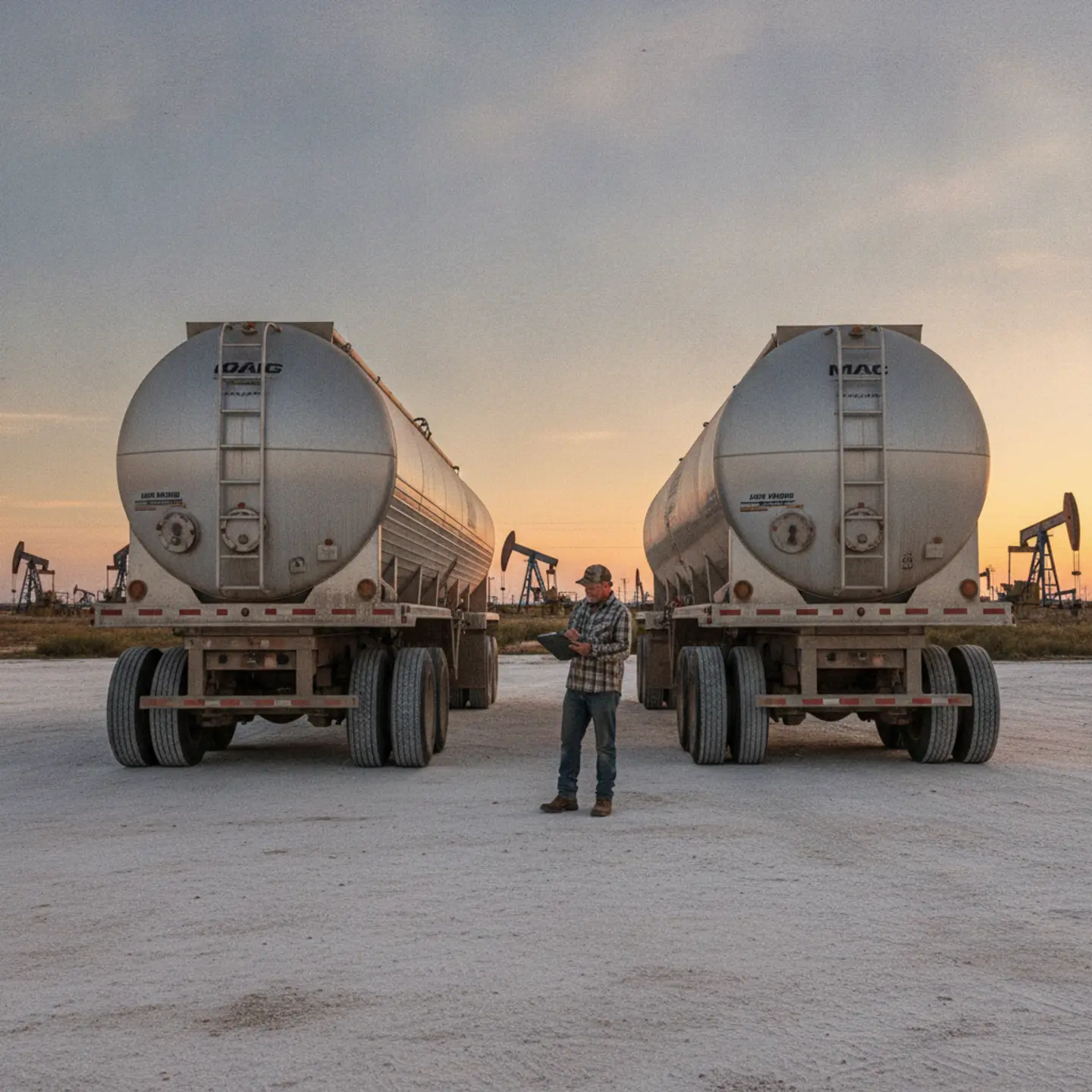
Most reputable Permian Basin carriers pair new drivers with experienced trainers for ride-alongs and direct supervision until proficiency is demonstrated. At Sisu Energy, new drivers entering the STX Pneumatics division are paired with active trainers — drivers who are still running loads and understand current market conditions. The trainer fee for STX Pneumatics is $300, typically deducted from earnings. That means you’re learning while generating revenue, not paying tuition while sitting idle.
When evaluating a carrier’s field training program, ask specifically about the trainer’s background: How many years have they been hauling frac sand? What divisions have they worked? Are they still actively hauling, or are they full-time trainers? A trainer who is actively running loads understands current market conditions and can teach you real-world efficiency tips that boost your earnings.
Field training covers the skills that actually determine your paycheck: blower operation and pressure management, precise wellsite positioning and chute alignment, scalehouse procedures and electronic paperwork (Ditat), detention clock management and communication protocols, and site safety etiquette when working around frac crews. Duration typically runs 1–4 weeks of intensive hands-on instruction before independent operation. Real-time feedback from a trainer allows immediate correction of unsafe or inefficient practices — reducing costly equipment damage and the kind of mistakes that follow you on your PSP score.
With basic certifications completed, a new driver can be on their first loaded mile within 1–3 weeks of starting the process. That speed-to-earnings timeline is one of the strongest arguments for field training over any video-only approach. If you want to understand exactly what certifications you need before that first run, the CDL requirements and licensing guide for frac sand hauling lays it out step by step.
Video Bootcamp: What Online Training Can and Cannot Deliver
Video bootcamps ranging from $50 to $500 per course have their place. They excel at teaching regulatory knowledge, basic equipment components, hazard identification, and certification refreshers — H2S awareness, Hours of Service rules, and DOT compliance concepts. If you need to brush up on theory before field work, or you’re completing an annual H2S refresher, online formats are flexible, affordable, and accessible.
But the critical gap is real and it shows up fast. Video cannot teach you to hear and feel a blower under load, troubleshoot pressure in real-time when sand density changes, or maneuver a 75-foot pneumatic tanker into a tight wellsite position on uneven caliche. Wellsite positioning and chute alignment require spatial awareness and repetition that no screen can replicate — and this skill directly determines how many turns you complete per day, which directly determines your paycheck.
Many new drivers feel overwhelmed by the gap between what they learned in a video course and what they encounter on their first day at a wellsite. This is completely normal and expected — it’s why field mentorship exists. The best carriers acknowledge this gap and build structured training to bridge it.
Detention management, site etiquette, and communication with frac crews are learned through live interaction — not screen time. The trucking community is clear on this point: forums like Reddit r/Truckers and CDLLife consistently reflect that video-only training is insufficient for oilfield frac sand hauling. It must be paired with field mentorship to produce a driver who is genuinely ready to work.
Cost Comparison: Field Training vs Video Bootcamp
Any training program — video or field — that guarantees specific high earnings or immediate job placement is making promises it cannot keep. While the earning potential in frac sand hauling is significant for experienced Owner-Operators, it requires dedication, efficiency, and consistent effort. Reputable carriers focus on transparent earning potential and robust support, but they cannot guarantee specific income figures, especially for new entrants.
| Cost Category | Video-Only Path | Field Training Path |
|---|---|---|
| Certifications (PEC, H2S, Fit Test) | ~$275–$310 | ~$275–$310 |
| Training Course Cost | $50–$500 | $300 trainer fee (deducted from earnings) |
| Initial PPE | $100–$300 | $100–$300 |
| Total Upfront | ~$425–$1,110 | ~$675–$910 |
| Revenue During Training | None — pure cost | Yes — earning while learning |
| Field-Ready After Completion? | No — critical skills gaps remain | Yes — operational proficiency demonstrated |
| Hidden Cost Risk | High — equipment damage, cargo loss, liability | Low — supervised correction before independent runs |
The math is straightforward: a $300 trainer fee is recovered within 1–2 weeks of increased productivity and reduced mistakes. The hidden costs of inadequate training — equipment damage ranging from hundreds to tens of thousands of dollars, cargo loss, and liability exposure — dwarf the upfront investment in proper field mentorship. New drivers typically see lower earnings in weeks 1–4 as efficiency develops, but stabilize toward industry ranges by weeks 5–8 with quality field training. For a full breakdown of how rates and turns translate to take-home pay, the real numbers for Owner-Operator frac sand hauling is worth reading before you commit to any carrier.
Regulatory and Certification Requirements: What You Actually Need
No training program — video or field — can skip the non-negotiable certifications. Here’s what you need before you can legally operate and physically access a Permian Basin wellsite:
- Class A CDL with Tanker (N) Endorsement — legally required for all pneumatic tanker operations. HazMat (H) is optional unless you’re hauling hazardous materials.
- PEC/Safeland Certification — not a government mandate, but strictly enforced at Permian Basin wellsite gates. Without it, you don’t get in. Cost: ~$200.
- H2S Awareness Training — both OSHA-required under the general duty clause and industry-required. Online H2S (~$20, 45 minutes) is sufficient for haulers. Annual renewal.
- Respiratory Fit Test with 3M Half Mask — annual, critical for silica dust protection. Cost: ~$30–$50 for the test plus ~$25–$40 for the mask itself.
- FMCSA Hours of Service Compliance — pneumatic operations typically require ELD compliance (Motive). Drivers in WTX and STX Hopper Bottom divisions may qualify for the 150 air-mile short-haul exemption.
Total initial certification cost runs approximately $275–$310. Annual renewal runs $50–$100 for your med card and H2S refresher. These are the baseline — every carrier and every wellsite gate in the Permian enforces them without exception.
Real-World Skills Gap: What Experienced Drivers Know That Video Can’t Teach
Ask any experienced Permian Basin frac sand driver how they learned the job and you’ll hear the same answer: seat time, a good trainer, and trial-and-error in the field. The skills that separate a productive, profitable driver from one who struggles are almost entirely hands-on.
Blower operation and pressure management is the clearest example. Video shows you what a blower looks like. Field training teaches you to hear it, feel it, and adjust pressure in real-time for different sand densities and weather conditions. Get it wrong and you’re looking at a plugged line, a blown hose, or worse — equipment damage that comes out of your pocket.
Wellsite positioning is another. Maneuvering a pneumatic tanker in tight, uneven, dusty spaces to align precisely with sand kings or blenders is a skill that requires repetition. Each site is different. Your trainer has seen dozens of them and can walk you through the approach, the alignment, and the exit before you ever try it solo.
Detention clock management is where a lot of new drivers leave money on the table. Proactively communicating delays, understanding when detention pay kicks in ($75–$100 per hour, with 1–2 hours of fair free time), and tracking your wait time accurately requires real-time decision-making that no video course covers. And on caliche roads with no cell service, you need to be self-sufficient — because there’s no one to call when something goes sideways. Understanding how load rates and turns interact with detention pay is covered in depth in the load rates vs. turns breakdown for frac sand hauling.
Why Sisu Energy Is the Right Choice for Permian Basin Frac Sand Haulers
Sisu Energy operates as a 100% Owner-Operator carrier with zero company trucks. That means when a load is available, you’re not competing with a company driver — it goes to the Pack. The rotary load distribution system backed by 24/7 live human dispatch ensures fair, consistent access to loaded miles. No algorithm deciding your fate at 2 a.m. A real person, every time.
Field training is built directly into Sisu’s onboarding process across all divisions — STX Pneumatics, STX Hopper Bottom, WTX Hopper Bottom, and NTX Pneumatic. New drivers are paired with experienced trainers who are actively running loads, not retired instructors working from a manual. The STX Pneumatics trainer fee of $300 is deducted from earnings, not paid upfront — because Sisu’s model is designed to get you earning as fast as possible.
The financial structure is built around your take-home, not Sisu’s margins. No escrow. No hidden fees. Weekly Friday direct deposit. Fuel cards with no fees and a 10–12% discount off market rate. Low-cost insurance programs. An IRP plate program. Safety and longevity incentives. These aren’t perks — they’re the foundation of a model that puts Owner-Operators first.
Four divisions across Texas and Pennsylvania/Ohio give you the flexibility to choose the region, equipment type, and schedule that fits your life. If your needs change, you can move divisions without leaving the Pack. That kind of stability — combined with the training, the dispatch, and the financial structure — is what separates Sisu from carriers who treat drivers as interchangeable numbers.
Apply Today to join Sisu’s Pack and start your frac sand hauling career with the field training, support, and respect you deserve.
Frequently Asked Questions
Can I Really Learn Everything I Need From an Online Video Bootcamp?
Online video bootcamps can provide valuable foundational knowledge about regulations, basic equipment components, and certification refreshers — and for that purpose, they’re a reasonable supplement. But they are genuinely insufficient for preparing you for the complexities of frac sand hauling in the Permian Basin. Critical skills like precise blower operation, wellsite navigation on caliche roads, managing real-time pressure, and adapting to dynamic site conditions require hands-on experience and direct mentorship. Video is a starting point, not a finish line — and treating it as the latter is one of the most expensive mistakes a new driver can make.
What Certifications Do I Absolutely Need to Start Hauling Frac Sand in the Permian Basin?
To haul frac sand in the Permian, you need four non-negotiables: a Class A CDL with Tanker (N) endorsement, PEC/Safeland certification, H2S awareness training, and an annual Respiratory Fit Test with a 3M Half Mask. These are enforced at the wellsite gate — not suggestions. PEC/Safeland and H2S can often be completed through accredited online providers, while the Respiratory Fit Test requires a physical assessment. Total initial cost runs approximately $275–$310, with annual renewals around $50–$100 for your med card and H2S refresher.
How Long Does It Take a New Driver to Start Making Good Money After Training?
With certifications completed, you could be on your first loaded mile within 1–3 weeks of starting the process. But reaching full earning potential takes longer — typically 6–8 weeks to build the efficiency, wellsite familiarity, and detention management skills that separate a productive driver from a struggling one. Experienced Owner-Operators gross $8,000–$11,000 per week in the Permian Basin; new drivers typically see $3,000–$5,000 per week in the early weeks as they build proficiency. The income gap is real, but it closes quickly with dedicated effort and quality field training behind you.
Will My Carrier Provide Field Training, or Do I Need to Find a Separate Pneumatic Tanker School?
Most reputable oilfield carriers in the Permian Basin provide or facilitate field-based training and mentorship for specialized operations like pneumatic frac sand hauling. Formal, standalone pneumatic tanker schools are extremely rare — this is not a skill set that has been packaged into a traditional school setting. You’ll typically be paired with an experienced trainer for ride-alongs and hands-on instruction. Some carriers charge a modest trainer fee — Sisu’s STX Pneumatics division charges $300, which is deducted from earnings — allowing you to learn while generating revenue rather than paying tuition out of pocket.
Why Should I Choose Sisu Energy Over Other Frac Sand Hauling Carriers?
Sisu Energy stands out as a 100% Owner-Operator carrier with zero company trucks — your loads are never competed away by an internal fleet. The 24/7 live human dispatch with rotary load distribution means fair, consistent access to loaded miles, and no escrow with weekly Friday direct deposit means your money arrives on time, every time. Field training is built into onboarding across all four divisions: STX Pneumatics, STX Hopper Bottom, WTX Hopper Bottom, and NTX Pneumatic. Add fuel cards with no fees, a 10–12% fuel discount, low-cost insurance programs, and an IRP plate program, and the financial model is clearly designed to maximize your take-home — not Sisu’s margins. Apply Today and start your frac sand hauling career with a carrier that puts you first.
Ready to Haul Frac Sand in the Permian Basin?
You’ve done the research — now it’s time to put it to work. Sisu Energy’s field training, 24/7 live dispatch, and Owner-Operator-first model are built to get you earning fast and keep you earning consistently. The Permian Basin doesn’t wait, and neither should you.
*Sisu Energy LLC contracts exclusively with independent Owner-Operators. Earnings vary by division, miles, fuel costs, and individual business factors, and no specific income is guaranteed. Programs, lease rates, and requirements are subject to change. Please contact Sisu Energy directly for current opportunities and division details.