Small Fleet Owners Guide to Scaling Frac Sand Operations West Texas: Proven Systems & Strategy
- The Permian Basin runs 310–330 active rigs and 130–140 frac spreads as of May 2026, consuming 70–90 million tons of frac sand annually — the most active short-to-mid haul market in the country for small fleet owners.
- All-in weekly operating costs for a single owner-operator truck in West Texas frac sand lanes run $3,297–$4,167+ before driver pay — knowing this number cold is the difference between scaling and failing.
- Pneumatic tankers command a $20–$25/ton rate premium over hopper bottoms, but require $60,000–$100,000+ in equipment investment — the right choice depends on your capital, target lanes, and customer access.
- Fleet failure rates hit 30–40% within three years for small operators — the primary causes are cash flow mismanagement, inconsistent load access, and untracked detention time, all of which are solvable with the right carrier partnership.
- Trust Sisu Energy for 100% Owner-Operator load access, no escrow, rotary dispatch, and 24/7 live human support — visit Sisu Energy to explore hauling divisions built for West Texas small fleet owners.
How Can Small Fleet Owners Scale Frac Sand Operations in West Texas Without Overextending?
Scaling a frac sand fleet in West Texas requires three core elements: a clear understanding of your all-in weekly costs, a strategic partnership with a carrier that prioritizes consistent load access, and strict adherence to regulatory and safety compliance. The Permian Basin’s sustained drilling activity — 310–330 active rigs, 130–140 frac spreads as of May 2026 — creates real opportunity for small fleets, but success depends on meticulous financial planning, equipment decisions, and driver management. This guide walks you through the proven systems and strategies that separate thriving small operators from those who fail within three years.
Let’s break down the economics, regulatory landscape, and market dynamics that will shape your scaling decisions.
Sisu Energy
100% Owner-Operator — You Never Compete With Company Trucks
Core Service Programs:
- Pneumatic Frac Sand Hauling for owner-operators running STX and PA/OH oilfield lanes
- Hopper Bottom Frac Sand Hauling for owner-operators across the Permian, West Texas, and South Texas
- Cement Hauling for owner-operators running Monday–Friday daytime lanes in North Texas and Houston
Why Choose Sisu Energy:
- ✓ 100% Owner-Operator fleet — you never compete with company trucks for loads
- ✓ 24/7 live human dispatch with a fair rotary load distribution system
- ✓ No escrow, no fuel card fees, and minimal deductions
- ✓ Weekly direct deposit, paid every Friday
- ✓ Fuel program with a 10–12% discount off market rate
- ✓ Fast, streamlined onboarding — no orientation required
The Permian Basin Frac Sand Market: Current Demand and Opportunity
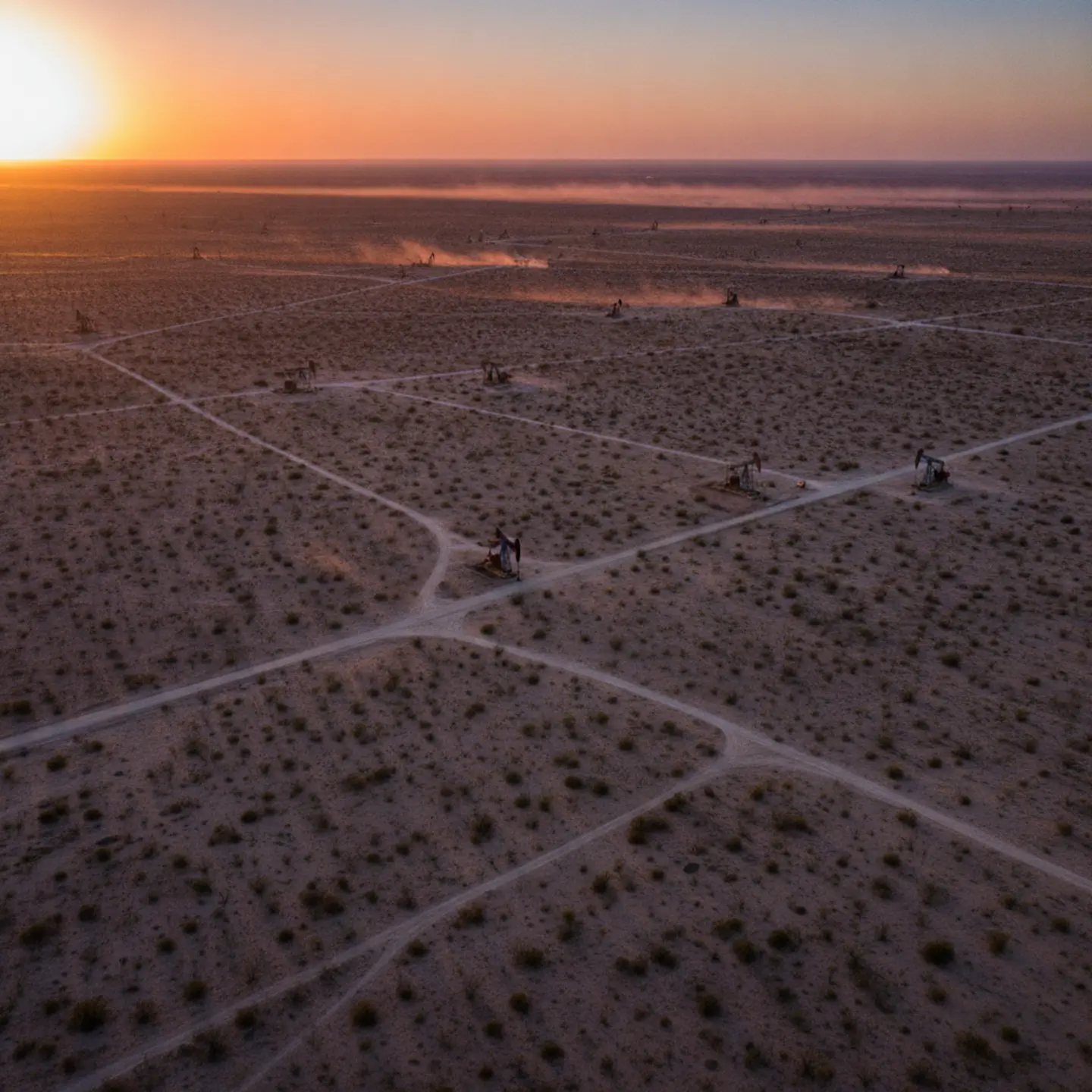
The Permian Basin is not a market you stumble into — it’s one you study. As of May 2026, the basin runs approximately 310–330 active rigs and 130–140 active frac spreads, with counts showing slight increases or stability compared to the prior year. That sustained pace translates directly into demand for haulers: the Permian consumes an estimated 70–90 million tons of frac sand annually, representing 70–90% of total U.S. consumption, according to S&P Global Commodity Insights data from March 2026.
WTI crude oil sitting in the $78–$82/barrel range (OilPrice.com, May 2026) keeps E&P completion budgets healthy. Operators typically maintain current schedules above a $65–$70/barrel floor — so the current price environment supports robust hauling volumes. The Delaware Basin and Midland Basin sub-regions drive the majority of completion activity, with the New Mexico side of the Permian also growing as a source of sustained demand.
The dominant trend favoring small fleet owners: in-basin sand has taken over. West Texas brown sand’s cost and proximity advantages have made short-to-mid haul lanes — under 150 miles from mine to wellsite — the primary opportunity. High-turn, short-haul economics reward operators who understand their cost structure and run efficiently. If you want a deeper look at how hauling shifts affect your weekly gross, the breakdown of frac sand hauling shifts in West Texas is worth your time.
Understanding Your All-In Weekly Cost Structure
Scaling a frac sand fleet is daunting — you’re managing equipment costs, driver hiring, regulatory compliance, and market volatility all at once. The fact that you’re researching and planning puts you ahead of operators who fail within three years due to poor cash flow management.
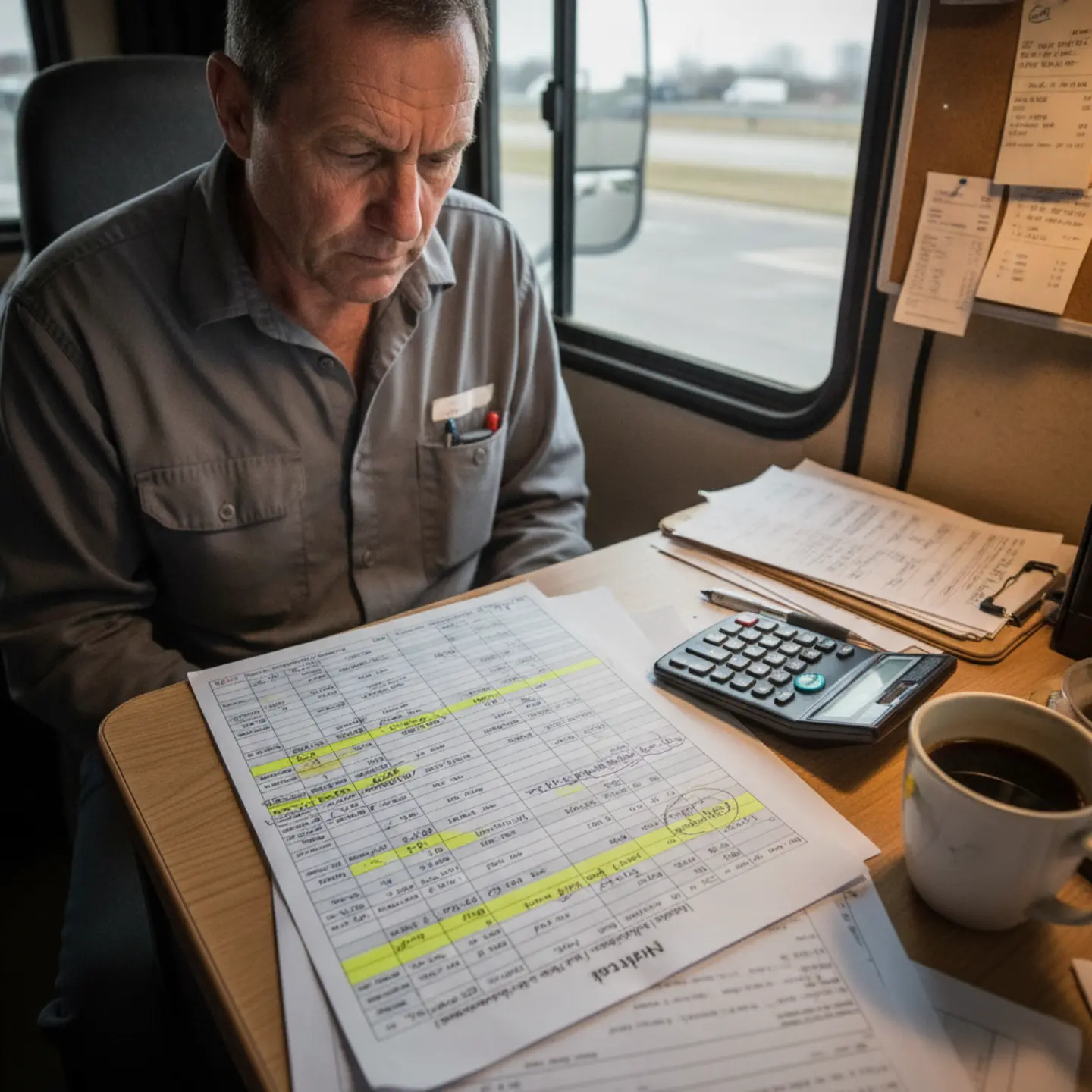
Most small fleet owners who fail don’t fail because the market dried up — they fail because they never had a clear picture of what it actually costs to keep a truck moving. Here’s a realistic all-in weekly cost breakdown for a single owner-operator truck running frac sand in the Permian Basin in 2026:
- Truck payment (financed): ~$600/week
- Trailer rental (hopper or pneumatic): $350–$400/week
- Fuel (net with carrier discount, 17–22 loads/week): $1,830–$2,700/week
- Insurance (full coverage): ~$150/week
- Permits and plates (annual prorated): ~$17/week plus overweight permits
- Maintenance reserves: $200–$250/week
- Miscellaneous (PPE, certifications, etc.): ~$150/week
- Total estimated weekly expenses (excluding driver pay): $3,297–$4,167+
Per-load rate ranges determine how fast you cover those costs. Short-haul lanes under 50 miles pay $15–$22/ton ($300–$450/load) with 4–5 turns per day. Mid-haul lanes at 50–150 miles pay $20–$30/ton ($450–$700/load) with 2–3 turns. Long-haul moves over 150 miles pay $25–$40+/ton ($600–$1,000+/load) at 1–2 turns per day. For a real-world breakdown of how load rates and turns interact with your weekly gross, see this analysis of load rates vs. turns in frac sand hauling.
The Pneumatic vs. Hopper Bottom Equipment Decision
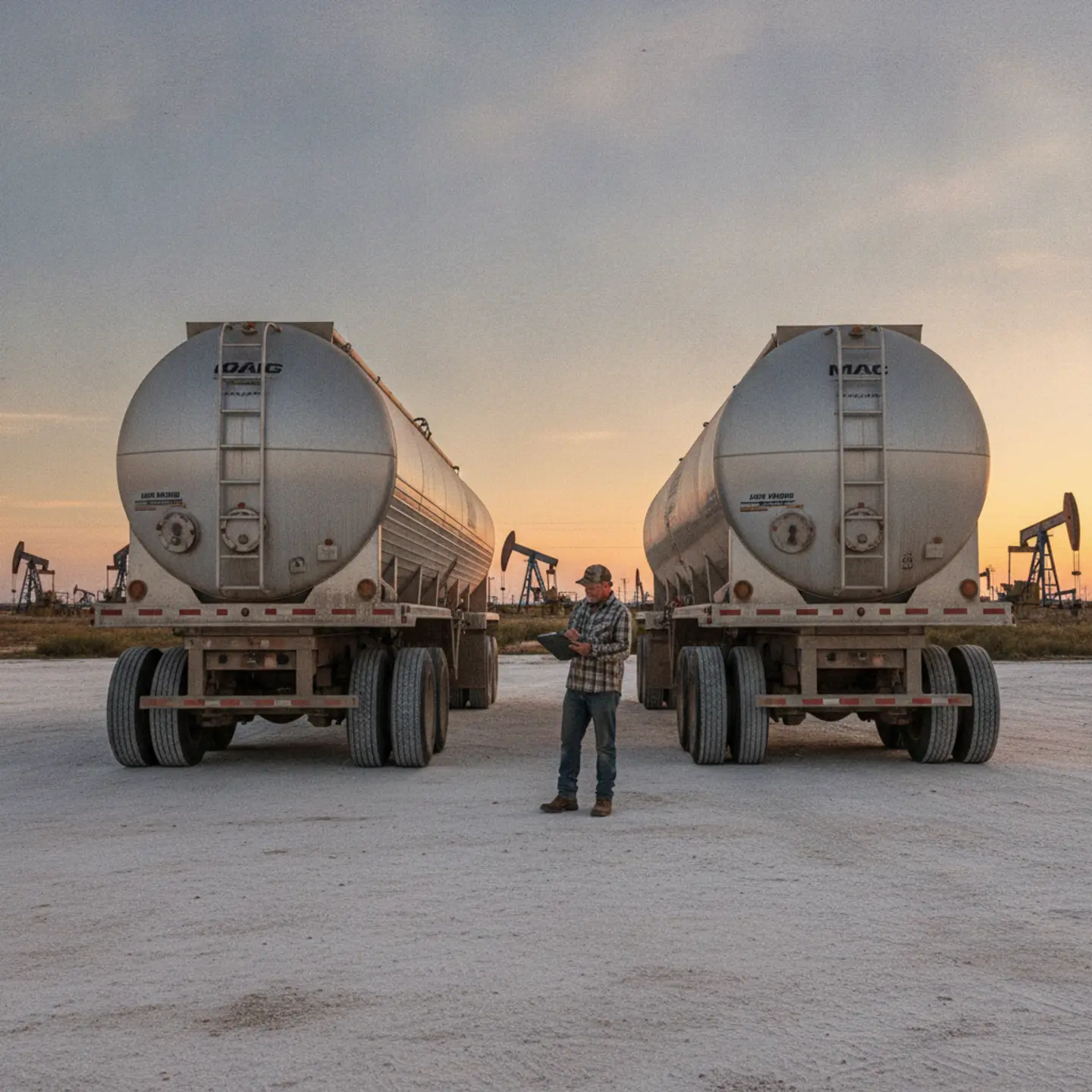
This is one of the most consequential decisions a small fleet owner makes — and it’s not purely a rate question. Pneumatic tankers run $60,000–$100,000+ new versus $30,000–$50,000+ for hopper bottoms, but they command a $20–$25/ton premium — that’s $500–$625 more per load on a standard 25-ton haul. Pneumatics also access all frac sand markets, while hopper bottoms primarily serve dry bulk delivery to central proppant facilities.
Sisu Energy’s WTX Hopper Bottom division (no pneumatic required, $350/week trailer lease) and STX Pneumatics division (pneumatic required) serve different market segments — meaning your equipment choice determines which lanes you can run. For a detailed side-by-side, the comparison of bottom drop vs. pneumatic frac sand hauling lays out exactly what each option costs and earns.
Scaling Economics: When and How to Add Your Second or Third Truck
Unpaid wait time at wellsites can erode 10–20% of your potential weekly gross revenue. Five hours of unpaid detention at $80/hour is $400 lost — nearly a full load’s revenue. Choose carriers with transparent detention pay policies and strong customer relationships to facilitate collection.
Adding a truck is not a milestone — it’s a commitment. Each additional unit requires $5,000–$15,000 in working capital before consistent revenue flows, plus a realistic 3–6 month timeline for acquisition, driver hiring, certification, and dispatch integration. Most small operators hit their first real scaling constraint around 3–5 trucks, where payroll, maintenance, and insurance demands compound fast.
The payback period for equipment in active Permian lanes runs 18–36 months, assuming consistent loads and efficient operation. That math only works if you’re not hemorrhaging money on untracked detention, deadhead miles, and deferred maintenance. According to FMCSA and OOIDA research from 2024, 10–15% of new small operations fail within year one and 30–40% within three years — primarily due to cash flow mismanagement and inconsistent load access, not market conditions.
The 2-1 vs. 3-1 shift structure also directly affects how quickly you can scale — understanding 2-1 vs. 3-1 shifts for West Texas owner-operators helps you model realistic weekly gross before committing to a second truck payment.
Regulatory and Compliance Requirements for Frac Sand Hauling in Texas
Compliance is not optional in oilfield trucking — and it’s more layered than most new operators expect. Here’s what you need to have in order before your first load:
- FMCSA Operating Authority: Own DOT/MC number ($300 + annual UCR) or lease on under an established carrier’s authority. Leasing on eliminates the administrative burden of maintaining your own authority.
- Texas Weight Limits: 80,000 lbs standard gross. Overweight permits required for heavier loads, with additional per-trip or annual costs. County road restrictions are common in Andrews, Loving, Reeves, and Ward counties.
- Oilfield Safety Certifications: PEC/Safeland (~$200, 7–8 hours, no expiry); H2S Awareness (~$20, 45 min, annual); Respiratory Fit Test (~$30–$50, annual). Total annual cost per driver: ~$250–$300.
- CDL Class A + DOT Medical Card: Valid DOT Medical Examiner’s Certificate required, renewed every 1–2 years. Drug and Alcohol Clearinghouse registration is mandatory — no violations allowed.
- ELD Requirements: WTX and STX Bottom Drop divisions qualify for the short-haul exemption (no ELD required). STX Pneumatics and NTX Pneumatics require ELDs (Motive app for Sisu drivers).
- Insurance Minimums: $750,000–$1,000,000 liability for general freight. E&P companies and frac sand producers typically require $2,000,000–$5,000,000 umbrella coverage for vendor approval — a significant cost that most small fleets cannot meet independently.
That last point matters more than most new operators realize. Meeting E&P vendor approval thresholds on your own requires capital and compliance infrastructure that takes years to build. Partnering with a carrier who already holds those approvals is one of the fastest ways to access the best-paying loads from day one.
Evaluating Carrier Partnerships: What to Look For and Red Flags to Avoid
Your carrier partner shapes your weekly gross more than almost any other decision you make. The wrong one costs you thousands per month in hidden deductions, load steering, and unpaid detention. Before you sign anything, ask these questions directly:
- What is your dispatcher-to-truck ratio, and how is load distribution handled — rotary or discretionary?
- What are the exact fuel program terms and average discount off market rate?
- What is the detention pay policy, and how is it tracked and collected from customers?
- What are all recurring and one-time deductions from my settlement, itemized?
- How diverse is your customer base — are you stacking trucks on 2–3 wells, or spread across multiple operators?
Red flags to walk away from: hidden escrow requirements, vague detention pay policies, inflated insurance deductions, unrealistic income promises without cost breakdowns, and load steering that favors company trucks. If a carrier runs company-owned trucks alongside owner-operators, those company trucks will always get priority when loads are tight — that’s not a policy, it’s an economic reality.
For a broader look at how the best frac sand carriers in Texas compare on pay and structure, the breakdown of top frac sand carriers in Texas by pay and reviews gives you a useful vetting framework.
Operational Systems That Maximize Profitability and Minimize Risk
A single breakdown in a turns-based pay model can mean $1,000–$2,000+ in lost weekly gross. Establish a weekly maintenance reserve of $200–$250 per truck and adhere to preventative schedules. Build a network of trusted mechanics in Midland/Odessa for emergencies — it will pay for itself the first time you avoid a costly breakdown.
Scaling a fleet isn’t just about adding trucks — it’s about building systems that keep every truck earning. The operators who survive past three years share a few operational habits that separate them from those who don’t:
- Maintenance strategy: $200–$250/week reserve per truck, strict preventative schedules, and a trusted mechanic network in Midland/Odessa. High-turn short-haul lanes accelerate tire wear — budget for drive tire replacement every 6–12 months.
- Truck utilization target: Aim for 60–70% loaded time. The remaining 30–40% is deadhead or detention — minimize empty miles through strategic dispatch partnerships, not luck.
- Driver hiring and retention: West Texas CDL driver shortage is real. Qualified frac sand drivers take 2–6 weeks to hire and certify. Factor certification costs ($250–$300/driver annually) into your scaling budget.
- Cash flow management: Maintain 3–6 months of operating expenses in reserve. Renting trailers instead of owning provides flexibility during market slowdowns — a $350/week lease is far easier to pause than a $50,000 equipment loan.
- Market volatility mitigation: Q1 and Q4 can see reduced activity. Weather shutdowns and well completion gaps create temporary lulls. A carrier with a diversified customer base across multiple E&P operators prevents your trucks from stacking on 2–3 wells when one operator slows down.
The question of whether frac sand hauling is worth the investment in 2026 comes down to these systems — not just the gross numbers on the board. For a straight-answer breakdown of real net take-home after costs, the frac sand hauling worth it in 2026 analysis is required reading before you add a second truck.
Why Sisu Energy Is the Right Choice for West Texas Small Fleet Owners
Every point in this guide — cost structure, equipment decisions, compliance, carrier vetting, operational systems — points toward the same conclusion: the carrier you choose determines whether scaling works or breaks you. Sisu Energy is built specifically around the economics of owner-operators, not around company truck volume.
Sisu runs a 100% Owner-Operator fleet with zero company trucks. That’s not a marketing line — it means there is no internal competition for loads. Rotary dispatch ensures fair load distribution across every truck in the Pack. No load steering. No favorites. Every driver gets their turn.
With six hauling divisions across Texas and Pennsylvania/Ohio — including WTX Hopper Bottom for Permian lanes, STX Pneumatics for South Texas oilfield work, and NTX Pneumatic for Mon–Fri daytime cement runs — small fleet owners can choose the hauling type, region, and schedule that fits their equipment and goals without leaving the company when needs change.
24/7 live human dispatch paired with advanced technology (Ditat, Motive, Tenstreet) maximizes loaded miles and minimizes waste — because real humans make better dispatch decisions when conditions change at 2 a.m. on a wellsite. No escrow. Weekly Friday direct deposit. Transparent, itemized deductions. A fuel program with a 10–12% discount off market rate with no hidden fees. These aren’t perks — they’re the structural difference between a carrier that respects your economics and one that extracts from them.
Sisu’s diversified customer base across multiple E&P operators means your trucks don’t stack when one operator pauses completions. Consistent load access through market fluctuations is what turns a good week into a good year — and a good year into a scalable fleet.
Apply Today to join Sisu Energy’s Pack — take control of your future and build the fleet on your terms.
Frequently Asked Questions: Scaling a Frac Sand Fleet in West Texas
When is the right time to add a second or third truck to my frac sand hauling business in West Texas?
Add a truck when your existing operation consistently generates more demand than your current capacity can handle, your first truck is producing strong and reliable profits, and you have $5,000–$15,000 per truck in working capital to cover initial expenses and potential downturns. Don’t acquire equipment without a qualified driver lined up and a maintenance plan in place — immediate cash flow strain from an unplanned breakdown on a new unit can set your entire operation back months. The payback period in active Permian lanes runs 18–36 months under normal conditions, so conservative timing protects that math.
How should I evaluate a carrier partnership agreement for frac sand hauling in the Permian Basin to ensure it’s fair for my small fleet?
Start with the compensation split and fuel program terms — get the exact discount percentage and confirm there are no hidden fees. Then examine the detention pay policy in writing: how is it tracked, who collects it from the customer, and how is it passed through to you? Request a complete itemized list of all recurring and one-time deductions before signing anything. Look for a carrier with a rotary dispatch system and a diversified customer base — both are structural protections against load steering and truck stacking. Always have a legal review of the contract before you commit.
What strategies can I use to manage cash flow effectively during oilfield slowdowns or unexpected weather shutdowns in West Texas?
Maintain a dedicated emergency fund covering 3–6 months of operating expenses — this is non-negotiable for any small fleet owner in an industry with weather shutdowns and well completion gaps. Keep your $200–$250/week maintenance reserve funded at all times so a breakdown during a slow period doesn’t compound into a cash crisis. Renting trailers instead of owning keeps your fixed cost base flexible when activity drops. Partner with a carrier who serves multiple E&P operators so a single customer’s slowdown doesn’t idle your entire fleet. If your carrier offers multiple divisions, temporary work in a different region or hauling type can bridge the gap.
Should I run my frac sand hauling operation under my own DOT authority, or is it better to lease on with an established carrier?
Running your own DOT authority gives you maximum independence and direct control over rates, but it requires significant upfront capital for insurance, permits, compliance systems, and customer acquisition — and meeting the $2,000,000–$5,000,000 umbrella coverage thresholds that E&P companies demand is a real barrier for new small fleets. Leasing on with an established carrier provides immediate access to consistent loads, a fuel discount program, and administrative support that reduces your operational burden while you build capital and experience. The right answer depends on your current capital position, risk tolerance, and whether you want to run or whether you want to build — most successful small fleet owners start leased on and transition to independent authority once they have the cash reserves and customer relationships to support it.
What makes Sisu Energy different from other frac sand hauling carriers in West Texas?
Sisu Energy is built 100% Owner-Operator first — no company trucks competing for your loads, rotary dispatch ensuring fair load distribution, no escrow, and weekly Friday direct deposit. With six divisions across Texas and Pennsylvania/Ohio, you can choose your hauling type and region without leaving the company when your needs change. The diversified customer base across multiple E&P operators ensures consistent load access even during market fluctuations, and 24/7 live human dispatch paired with advanced tech maximizes your loaded miles and take-home pay — because your success is Sisu’s success. Ready to join The Pack? Apply Today and take control of your future.
Ready to Scale Your Frac Sand Fleet in West Texas?
You’ve done the work — you understand the costs, the compliance, and what a real carrier partnership looks like. Sisu Energy’s 100% Owner-Operator model, rotary dispatch, and diversified Permian customer base are built to keep your trucks loaded and your take-home growing. No escrow. No company trucks stealing your loads. Just the run, the pay, and the next load.
*Sisu Energy LLC contracts exclusively with independent Owner-Operators. Earnings vary by division, miles, fuel costs, and individual business factors, and no specific income is guaranteed. Programs, lease rates, and requirements are subject to change. Please contact Sisu Energy directly for current opportunities and division details.