How Much To Install a Blower For Pneumatic Work? 2026 Cost Breakdown
Key Takeaways
- A complete pneumatic blower system installation on a Class 8 truck runs $10,000–$25,000+, covering the blower unit, PTO installation, hydraulic components, specialized piping, safety hardware, and 20–40 hours of shop labor at $120–$180/hour.
- The pneumatic premium of $500–$625 per load over hopper bottom work means the average $17,500 installation pays back in under 1.6 weeks at 20 loads per week — one of the fastest equipment ROIs in oilfield hauling.
- Hidden costs matter: a single blower failure in the field can cost $8,000–$15,000+ in lost revenue, emergency repairs, and towing — making brand and quality selection far more important than upfront price alone.
- Operating a pneumatic tanker in Texas requires a CDL-A with Tanker (N) endorsement plus oilfield site certifications including PEC Basic/Safeland, H2S, and a Respiratory Fit Test for silica dust compliance.
- Trust Sisu Energy for 100% Owner-Operator hauling, 24/7 live human dispatch, zero escrow, and weekly Friday direct deposit — built to maximize the return on every dollar you invest in pneumatic equipment.
How Much Does It Cost to Install a Pneumatic Blower System on a Class 8 Truck?
A complete pneumatic blower system installation on a Class 8 truck typically ranges from $10,000 to $25,000+, depending on the blower brand, type (PTO-driven, engine-driven, or hydraulic-driven), and labor rates at your chosen shop. This investment includes the blower unit itself, Power Take-Off (PTO) installation if needed, specialized piping and valves, safety components, and professional labor. For Owner-Operators in the Permian Basin and Eagle Ford Shale, the rapid payback period — often under two weeks — makes this one of the fastest-returning equipment investments in oilfield hauling.
Understanding the full cost breakdown, from parts to labor to hidden expenses, is essential for making an informed decision about upgrading to pneumatic operations and maximizing your earning potential.
Sisu Energy
100% Owner-Operator — You Never Compete With Company Trucks
Core Service Programs:
- Pneumatic Frac Sand Hauling for owner-operators running STX and PA/OH oilfield lanes
- Hopper Bottom Frac Sand Hauling for owner-operators across the Permian, West Texas, and South Texas
- Cement Hauling for owner-operators running Monday–Friday daytime lanes in North Texas and Houston
Why Choose Sisu Energy:
- ✓ 100% Owner-Operator fleet — you never compete with company trucks for loads
- ✓ 24/7 live human dispatch with a fair rotary load distribution system
- ✓ No escrow, no fuel card fees, and minimal deductions
- ✓ Weekly direct deposit, paid every Friday
- ✓ Fuel program with a 10–12% discount off market rate
- ✓ Fast, streamlined onboarding — no orientation required
Why the Permian Basin Makes Pneumatic Blower Investment a Smart Move Right Now
Before you commit to a five-figure equipment upgrade, you want to know the market is going to hold. Right now, it is. As of August 2026, the Permian Basin is running 263 active drilling rigs — up 3 from the prior week and 7 above year-ago levels, accounting for roughly 45% of all U.S. drilling activity. Alongside that, 35–40 active frac spreads are consuming 100,000–130,000 tons of frac sand every single week.
Frac sand consumption in the Permian is projected to exceed 35 million tons in 2025–2026, driven by operators pushing longer laterals and higher proppant intensity per well. That volume flows almost exclusively through pneumatic tankers — not hopper bottoms. The pneumatic premium of $20–$25/ton ($500–$625 per load) over hopper bottom work is holding firm, reflecting consistent demand for specialized equipment in a market that can’t get enough qualified pneumatic haulers.
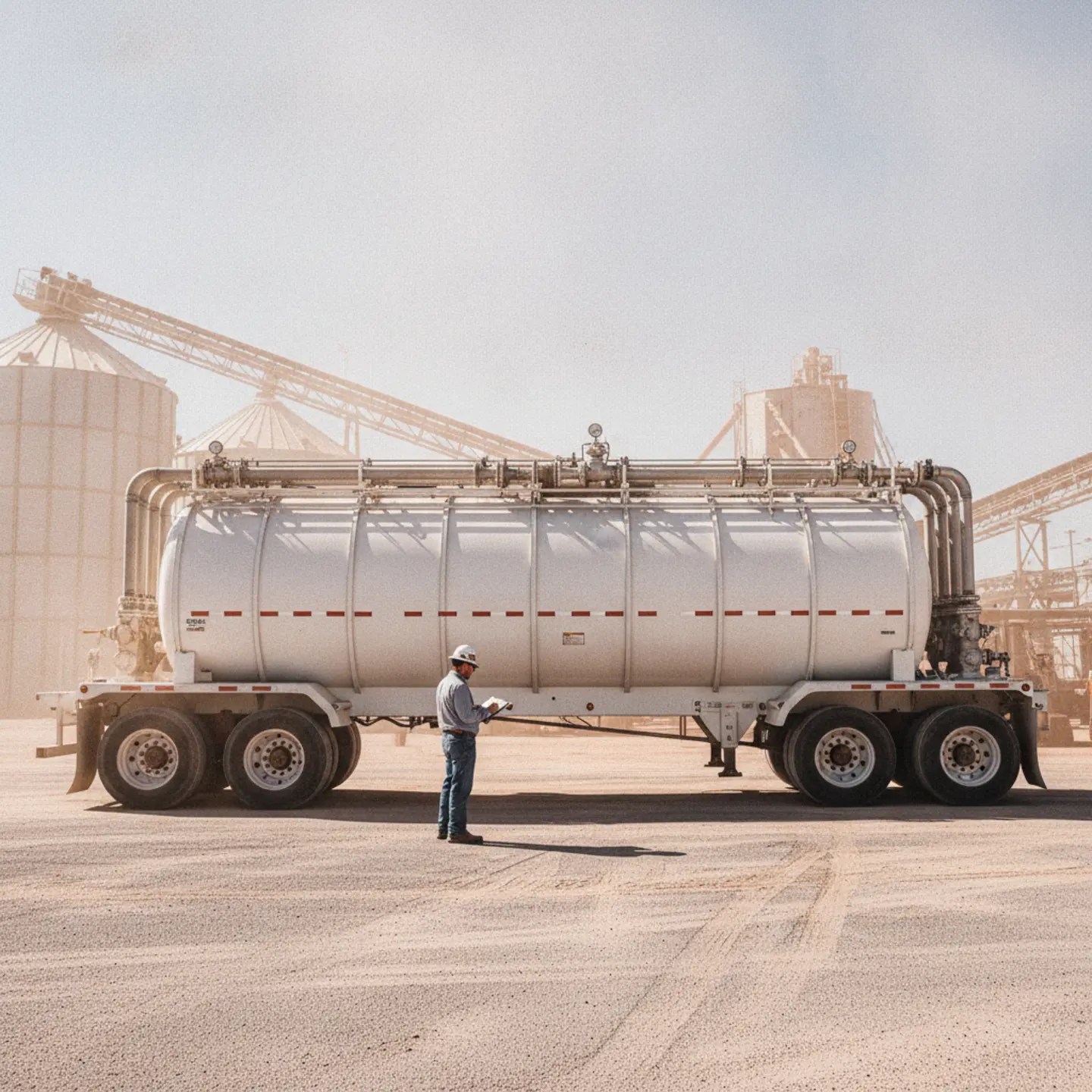
Owner-Operators running 17–22 loads per week can gross $8,500–$13,750 weekly from the pneumatic premium alone. That’s the backdrop for every cost figure in this breakdown. West Texas dust, triple-digit heat, and caliche well-site roads create a harsh operating environment — which is exactly why blower selection and quality matter as much as the price tag. If you want to understand whether frac sand hauling is worth it in 2026, the short answer is yes — if you have the right equipment and the right carrier behind you.
Complete Pneumatic Blower Installation Cost Breakdown
Here’s where most Owner-Operators get surprised: the blower unit is only part of the bill. A full installation involves multiple component categories, each with its own price range. Knowing all of them upfront lets you budget accurately and avoid the sticker shock that comes from a shop quoting “blower only” and then adding everything else.
| Component | Cost Range | Notes |
|---|---|---|
| Blower Unit | $3,000–$12,000+ | Varies by brand tier (see below) |
| PTO Installation / Modification | $2,000–$5,000 | Required if truck lacks existing PTO |
| Hydraulic System (pump, reservoir, cooler) | $1,500–$4,000 | Hydraulic-driven systems only |
| Piping, Valves, Hoses, Fittings | $1,000–$3,000+ | Stainless steel components add cost |
| Safety Components (filters, silencers, PRVs, gauges) | $500–$2,000 | Non-negotiable for DOT compliance |
| Labor (20–40 hours at $120–$180/hr) | $2,400–$7,200+ | Complex PTO conversions run longer |
| Total Installed | $10,000–$25,000+ | Depends on brand, system type, shop rates |
Brand Tier Pricing: Entry-Level vs. Mid-Tier vs. Premium
The blower unit itself is where the biggest price spread lives. Premium brands — Howden and Roots/Gardner Denver — run $7,000–$12,000+ for the blower head alone. They’re the standard for demanding oilfield applications because they’re built to handle continuous high-RPM operation in dusty, high-heat environments without premature failure. Mid-tier brands like Tuthill and Sutorbilt fall in the $5,000–$8,000 range and offer a solid balance of performance and cost. Entry-level or rebuilt units start at $3,000–$5,000 but carry real risk — unknown operational history, no warranty, and higher probability of failure in the field when you can least afford it.
Used vs. New: Cost Comparison and Risk Assessment
A used blower unit typically runs $1,500–$4,000 on the open market. That sounds attractive until you factor in reconditioning costs of $1,000–$3,000+ for new seals, bearings, and filters — bringing the total close to a new mid-tier unit, but without the warranty or the certainty. For the Permian Basin and Eagle Ford, where West Texas dust and heat accelerate wear on every component, a new unit from a reputable manufacturer is the smarter financial decision. The warranty alone can save you thousands if something goes wrong in the first year.
For an Owner-Operator running 17–22 loads per week, a single blower failure can cost $8,000–$15,000+ in lost revenue, emergency repairs, and towing. This reality makes investing in a reliable, new blower from a reputable brand a smart financial decision, not an extravagance.
Hidden Costs and True Total Cost of Ownership
The purchase and installation price is just the beginning. Over 3–5 years of heavy oilfield use, the real cost of owning a pneumatic blower system adds up fast — and the operators who don’t plan for it are the ones who end up in financial trouble.
Annual maintenance runs $500–$1,500, covering filter replacements (critical in West Texas dust), lubrication, and belt adjustments. Seals and belts are wear items — budget $100–$500 per replacement, and expect to do it every 6–12 months under heavy use. Major rebuilds hit every 2–3 years under oilfield conditions and cost $2,000–$5,000+ in parts and labor.
Downtime is the number that should keep you up at night. A blown blower in the field doesn’t just mean a repair bill — it means lost loads, emergency towing of a Class 8 truck from a remote well site ($1,000–$3,000+), and expedited repair premiums. Add it up and a single failure event can run $8,000–$15,000+ in total impact. Over a 3–5 year ownership window, unreliable equipment can easily push your total cost of ownership past $30,000–$50,000 — erasing the savings you thought you got by buying cheap. For a deeper look at how the real numbers stack up week over week, see what Owner-Operators actually net in frac sand hauling.
Regulatory Requirements and Compliance Costs for Pneumatic Tanker Operators
Before your blower turns a single revolution on a live frac site, you need to be compliant across multiple regulatory frameworks. These aren’t optional — violations can pull you off the road or off the site entirely.
- DOT/FMCSA: Properly sized and functional pressure relief valves on pneumatic tanks are required and subject to annual inspection under FMCSA Part 396. The mechanical integrity of your blower and its tank connection is part of that inspection.
- OSHA Silica Standard (29 CFR 1926.1153): Frac sand haulers face mandatory dust control and respiratory protection requirements. This directly affects how your blower system must be designed and operated to minimize silica dust emissions during loading and discharge.
- Texas Railroad Commission (RRC) and TCEQ: Both agencies oversee safety and environmental compliance for oilfield equipment operations in Texas. TCEQ’s air quality regulations can influence blower selection and operational practices.
- CDL-A with Tanker (N) Endorsement: Required to operate a pneumatic tanker in Texas. No exceptions.
- Oilfield Site Certifications: PEC Basic/Safeland, H2S, and Respiratory Fit Test are required for access to Permian Basin and Eagle Ford well sites. The Fit Test is specifically tied to silica dust exposure compliance under OSHA standards.
- Insurance Documentation: Commercial vehicle insurers may require proof of professional installation and regular inspection records to maintain coverage. Improper installation can create coverage disputes if an incident occurs.
Finding the Right Shop for Your Pneumatic Blower Installation
The shop you choose is as important as the blower brand you pick. A premium blower installed incorrectly is a liability. A mid-tier blower installed by an experienced pneumatic specialist will outperform it every time.
OEM-authorized dealers offer the highest warranty coverage but typically charge premium prices and may have longer lead times. Independent heavy truck shops with pneumatic experience often deliver competitive pricing and faster turnaround — especially in oilfield hubs like Midland/Odessa where pneumatic work is routine. Mobile blower installation specialists offer convenience for remote locations but may lack the capacity for complex PTO conversions.
Typical installation turnaround is 2–5 business days. At $5,000–$9,000+ gross per week, even 2–3 days out of service means $2,000–$5,400+ in lost revenue — a real cost that should factor into your shop selection. A faster, slightly more expensive shop may be the better financial decision. The most reliable way to find qualified shops is through referrals from experienced Owner-Operators in oilfield trucking communities and through blower manufacturer dealer locators.
Critical Questions to Ask Before Committing to Installation
- Request an itemized cost breakdown — parts vs. labor — and ask why specific brands and components are being recommended
- Confirm warranty terms in writing for the blower unit, all parts, and labor
- Ask about pressure testing procedures and PTO compatibility verification for your specific truck make, model, and transmission
- Request references from other Owner-Operators who’ve had similar pneumatic work done at that shop
- Verify technician certifications — ASE credentials and manufacturer-specific training are the baseline
Before committing to any installation, request a written quote that itemizes parts and labor, confirms warranty terms for the blower, parts, and labor, and details the shop’s pressure testing procedures. This protects you from surprises and gives you recourse if something goes wrong post-installation.
ROI and Financial Impact of a Pneumatic Blower Upgrade
The financial case for going pneumatic is straightforward — and the math is fast. The pneumatic premium of $500–$625 per load on a standard 25-ton frac sand haul is the difference between hopper bottom work and pneumatic operations. At 20 loads per week, that premium generates $10,000–$12,500 in additional gross revenue every single week compared to running a hopper bottom.
For an average installation cost of $17,500, the payback period is less than 1.6 weeks based purely on the pneumatic premium. Annualized, that premium represents approximately $572,000 in additional gross revenue per Owner-Operator. Every week you delay the upgrade is $10,000–$12,500 left on the table. With 263 active rigs and 35–40 frac spreads running in the Permian Basin as of August 2026, demand for pneumatic haulers is not a short-term spike — it’s the sustained baseline. To understand how pneumatic compares to bottom-drop operations across the full earnings picture, that breakdown is worth reading before you finalize your equipment decision.
The pneumatic premium of $500–$625/load, combined with 20 loads per week, generates $11,000 in additional weekly gross revenue compared to hopper bottom work. For a $17,500 installation, this means payback in under 1.6 weeks — making pneumatic equipment one of the fastest-returning investments in oilfield hauling.
Why Sisu Energy Is the Right Choice for Owner-Operators Investing in Pneumatic Equipment
You’ve made the investment — or you’re about to. The carrier you run with determines whether that investment pays off at the rate it should. Sisu Energy is a 100% Owner-Operator carrier with zero company trucks, which means there’s no internal competition for the high-value pneumatic loads you’ve put real money into securing. Every load in the pneumatic lane goes to an Owner-Operator. Full stop.
Sisu runs six hauling divisions across Texas and Pennsylvania/Ohio — including STX Pneumatics for the South Texas oilfield corridor and NTX Pneumatic for Mon–Fri daytime lanes with weekends off. 24/7 live human dispatch with rotary load distribution ensures consistent, loaded miles so your blower is working as much as possible. There are no escrow holds and no fuel card fees, and your settlement hits your account every Friday via direct deposit — so the cash flow you need to cover maintenance, upgrades, and your family stays predictable.
The all-pneumatic expertise built into Sisu’s operations means dispatchers understand your equipment, your lanes, and what it takes to keep a pneumatic rig running profitably. You’re not explaining your blower to someone who’s never seen one. You’re part of a Pack that’s built around the same investment you just made.
Apply Today to join Sisu Energy’s pneumatic hauling divisions and start maximizing the return on your pneumatic equipment investment with a carrier that puts Owner-Operators first.
Frequently Asked Questions About Pneumatic Blower Installation Costs
How much does it typically cost to install a new pneumatic blower system on my truck?
A complete new pneumatic blower system installation on a Class 8 truck in 2026 typically ranges from $10,000 to $25,000+. This includes the blower unit ($3,000–$12,000+), PTO installation ($2,000–$5,000), hydraulic components if needed ($1,500–$4,000), specialized piping and safety components ($1,500–$5,000+), and labor ($2,400–$7,200+ depending on 20–40 hours at $120–$180/hour). The final price depends heavily on blower brand, system type, and your shop’s labor rates — get an itemized written quote before committing to any shop.
What are the hidden costs of a blower installation that drivers often forget to budget for?
Beyond the main blower unit, budget for PTO installation or upgrade, hydraulic pump and reservoir for hydraulic-driven systems, specialized high-pressure piping, critical safety components like pressure relief valves and robust air filters, and custom mounting hardware. The most impactful hidden cost is downtime during installation — losing 2–5 days of operation can mean $2,000–$5,400+ in lost gross revenue for an active Owner-Operator. Additionally, plan for annual maintenance ($500–$1,500), seal and belt replacements every 6–12 months ($100–$500 per instance), and major rebuilds every 2–3 years ($2,000–$5,000+). These ongoing costs are the difference between a profitable blower and one that quietly drains your margins.
Is it better to buy a new blower or a used/reconditioned one for frac sand hauling?
While a used blower can be cheaper upfront ($1,500–$4,000), it carries significant risks including unknown operational history, hidden wear, and no warranty protection. Reconditioning adds $1,000–$3,000+, bringing total cost close to a new mid-tier unit — but without the certainty. For the demanding oilfield environment of the Permian Basin and Eagle Ford, a new unit from a reputable brand like Howden, Gardner Denver, or Tuthill offers greater reliability, performance, and a manufacturer’s warranty. A single failure on a used blower can cost $8,000–$15,000+ in downtime and emergency repairs — far more than the upfront savings justify.
How long will my pneumatic blower last, and what kind of ongoing maintenance should I expect in the Permian Basin?
Under heavy-use oilfield conditions in the Permian Basin, pneumatic blowers typically require major rebuilds every 2 to 3 years and potentially complete replacement after 5+ years. Ongoing annual maintenance costs range from $500 to $1,500 and include frequent filter changes — critical in dusty West Texas environments — lubrication, and belt replacements every 6–12 months. The harsh combination of dust, triple-digit heat, and caliche road vibration puts significant stress on blower systems, making quality components and a strict maintenance schedule non-negotiable for longevity. Proactive maintenance is always cheaper than emergency repairs.
Why should I choose Sisu Energy over other carriers if I’m investing in pneumatic equipment?
Sisu Energy is a 100% Owner-Operator carrier with zero company trucks, meaning no internal competition for the high-value pneumatic loads you’ve invested in. You’ll benefit from 24/7 live human dispatch with rotary load distribution ensuring consistent, loaded miles to maximize your equipment’s earning potential, no escrow holds with weekly Friday direct deposit so you keep more of your earnings, and six hauling divisions across Texas and Pennsylvania/Ohio so you can choose the pneumatic lane that fits your business goals and schedule. Sisu’s all-pneumatic expertise and driver-first culture mean you’re part of a Pack that understands the equipment investment you’ve made and values your success. Take control of your future and apply today to start maximizing your pneumatic earning potential with a carrier built around Owner-Operators.
Ready to Put Your Pneumatic Investment to Work in the Permian Basin?
You’ve done the research on blower costs, ROI, and what it takes to run pneumatic in West Texas. The next step is finding a carrier that’s built to maximize every dollar that investment generates — no company trucks competing for your loads, no escrow holding your cash, and live human dispatch every hour of the day.
*Sisu Energy LLC contracts exclusively with independent Owner-Operators. Earnings vary by division, miles, fuel costs, and individual business factors, and no specific income is guaranteed. Programs, lease rates, and requirements are subject to change. Please contact Sisu Energy directly for current opportunities and division details.