Day Cab vs. Sleeper Cab for Frac Sand Owner Operators in West Texas
- Sleeper cabs cost $25,000–$50,000 more upfront than day cabs, but forced overnight motel stays ($90–$200/night, 2–4 nights monthly) add $2,400–$9,600 annually to a day cab operator’s costs — quickly erasing any purchase price advantage.
- FMCSA Hours of Service rules require 10 consecutive off-duty hours in a compliant sleeper berth or off-site lodging; a day cab cannot legally satisfy this requirement on-vehicle, creating serious compliance risk in remote West Texas oilfield locations.
- With ~310 active rigs and ~165 active frac spreads in the Permian Basin as of May 2026, demand for frac sand hauling is stable — but the work is inherently unpredictable, with wellsite delays and multi-day staging needs that make self-contained sleeper cabs the operational standard.
- Sleeper cabs hold $10,000–$20,000+ better resale value in the oilfield truck market, and 80–90% of Permian Basin frac sand owner-operators run sleepers — reflecting industry consensus, not just carrier preference.
- Trust Sisu Energy for 100% Owner-Operator frac sand hauling, 24/7 live human dispatch, no escrow, and weekly Friday direct deposit — built to maximize your sleeper cab investment and take-home pay across the Permian Basin and beyond.
Day Cab vs. Sleeper Cab for Frac Sand: Which Is Better for West Texas Owner-Operators?
For frac sand operations in West Texas and the Permian Basin, sleeper cabs are the superior choice despite their higher upfront cost. While day cabs cost $25,000–$50,000 less to purchase, the hidden expenses of forced overnight motel stays ($2,400–$9,600 annually), fuel economy differences, and HOS compliance challenges quickly erase any savings. Sleeper cabs offer operational flexibility, better resale value, and the ability to legally manage rest periods on remote wellsites — making them the industry standard for 80–90% of Permian Basin frac sand owner-operators.
Understanding the full cost-of-ownership picture, regulatory landscape, and real-world operational demands of West Texas frac sand hauling reveals why sleeper cabs dominate the market and why Sisu Energy requires them for frac sand divisions.
Sisu Energy
100% Owner-Operator — You Never Compete With Company Trucks
Core Service Programs:
- Pneumatic Frac Sand Hauling for owner-operators running STX and PA/OH oilfield lanes
- Hopper Bottom Frac Sand Hauling for owner-operators across the Permian, West Texas, and South Texas
- Cement Hauling for owner-operators running Monday–Friday daytime lanes in North Texas and Houston
Why Choose Sisu Energy:
- ✓ 100% Owner-Operator fleet — you never compete with company trucks for loads
- ✓ 24/7 live human dispatch with a fair rotary load distribution system
- ✓ No escrow, no fuel card fees, and minimal deductions
- ✓ Weekly direct deposit, paid every Friday
- ✓ Fuel program with a 10–12% discount off market rate
- ✓ Fast, streamlined onboarding — no orientation required
Local Market Context: West Texas Frac Sand Hauling Realities
The Permian Basin isn’t a forgiving operating environment — and that shapes every equipment decision you make. As of May 2026, the basin maintains approximately 310 active rigs and 165 active frac spreads (Baker Hughes; Primary Vision Network, 2026), signaling stable, sustained demand for frac sand hauling. WTI crude holding near $82.50/barrel keeps drilling budgets intact and load volume consistent through 2026.
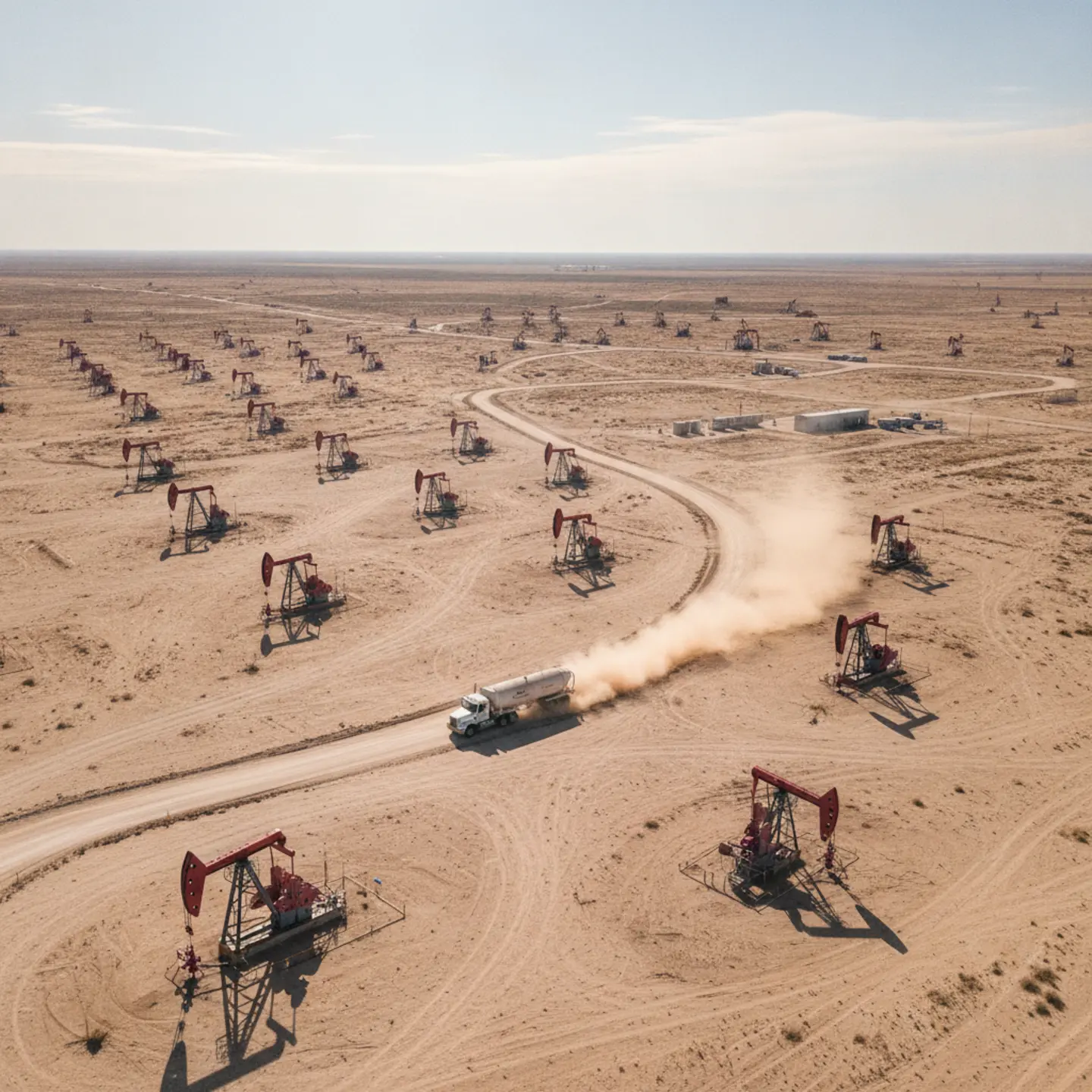
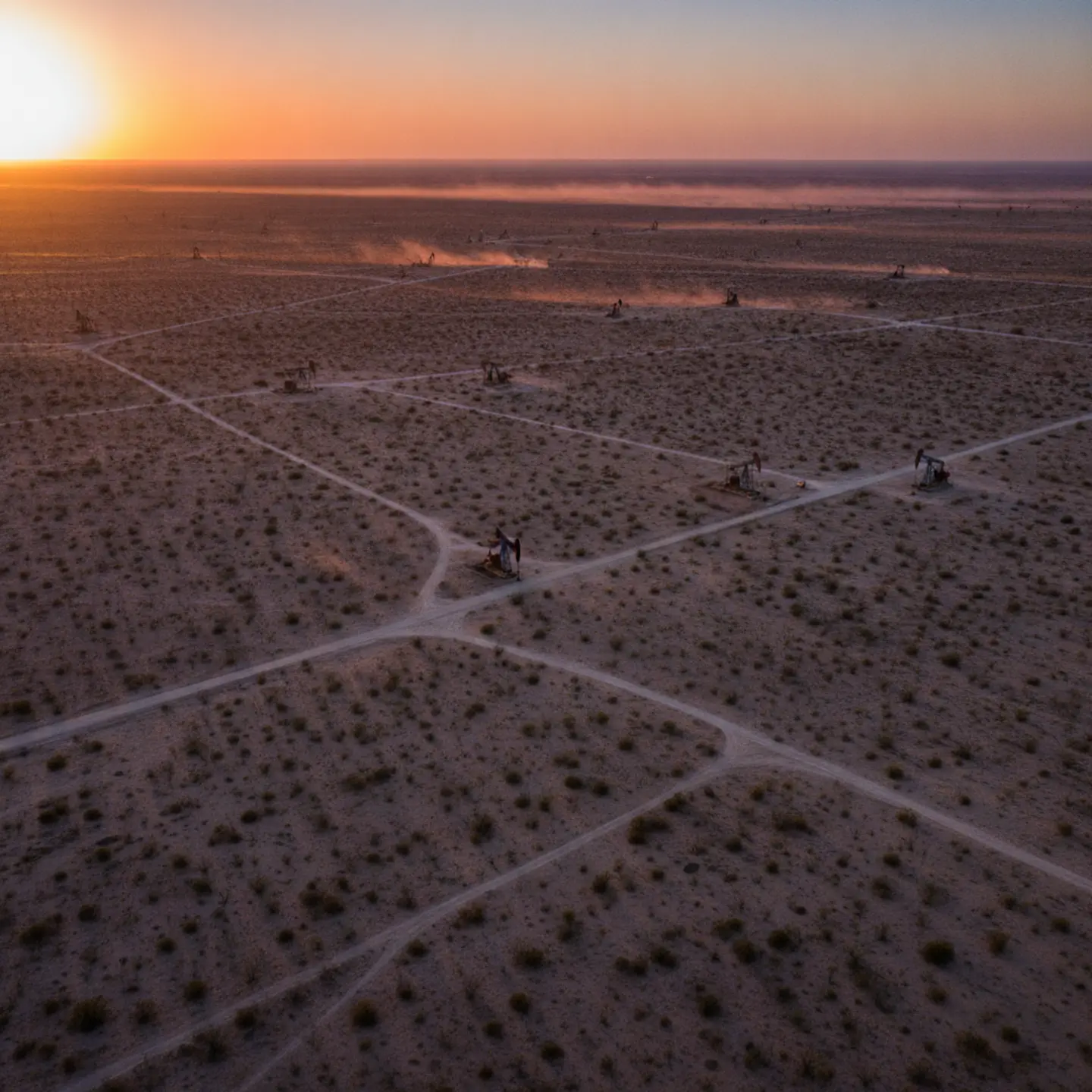
In-basin sand now covers over 70% of Permian demand (S&P Global, 2025), which has shortened average haul distances for many loads. But don’t let that fool you into thinking a day cab is suddenly viable for most frac sand work. Haul distances still range from 30 to 200+ miles depending on wellsite location and sand grade required. More importantly, the nature of frac sand dispatch — unpredictable offload windows, extended wellsite waits, and multi-day staging needs — hasn’t changed. The Permian Basin consumed an estimated 70–80 million tons of frac sand in 2025 (Rystad Energy, 2025), and that volume moves through an operational environment defined by remote caliche roads, summer heat exceeding 100°F, and limited amenities in oilfield towns like Pecos, Andrews, and Winkler County.
That geography rewards self-contained equipment. An owner-operator who can stage near a wellsite, manage their HOS on-vehicle, and respond to the next dispatch without deadheading back to a motel in Odessa is an owner-operator who earns more. That’s the operational reality that makes the day cab vs. sleeper cab decision less about preference and more about math. For a deeper look at whether frac sand hauling pencils out in 2026, see this breakdown of real frac sand hauling numbers.
Cost of Ownership: Day Cab vs. Sleeper — The Full Picture
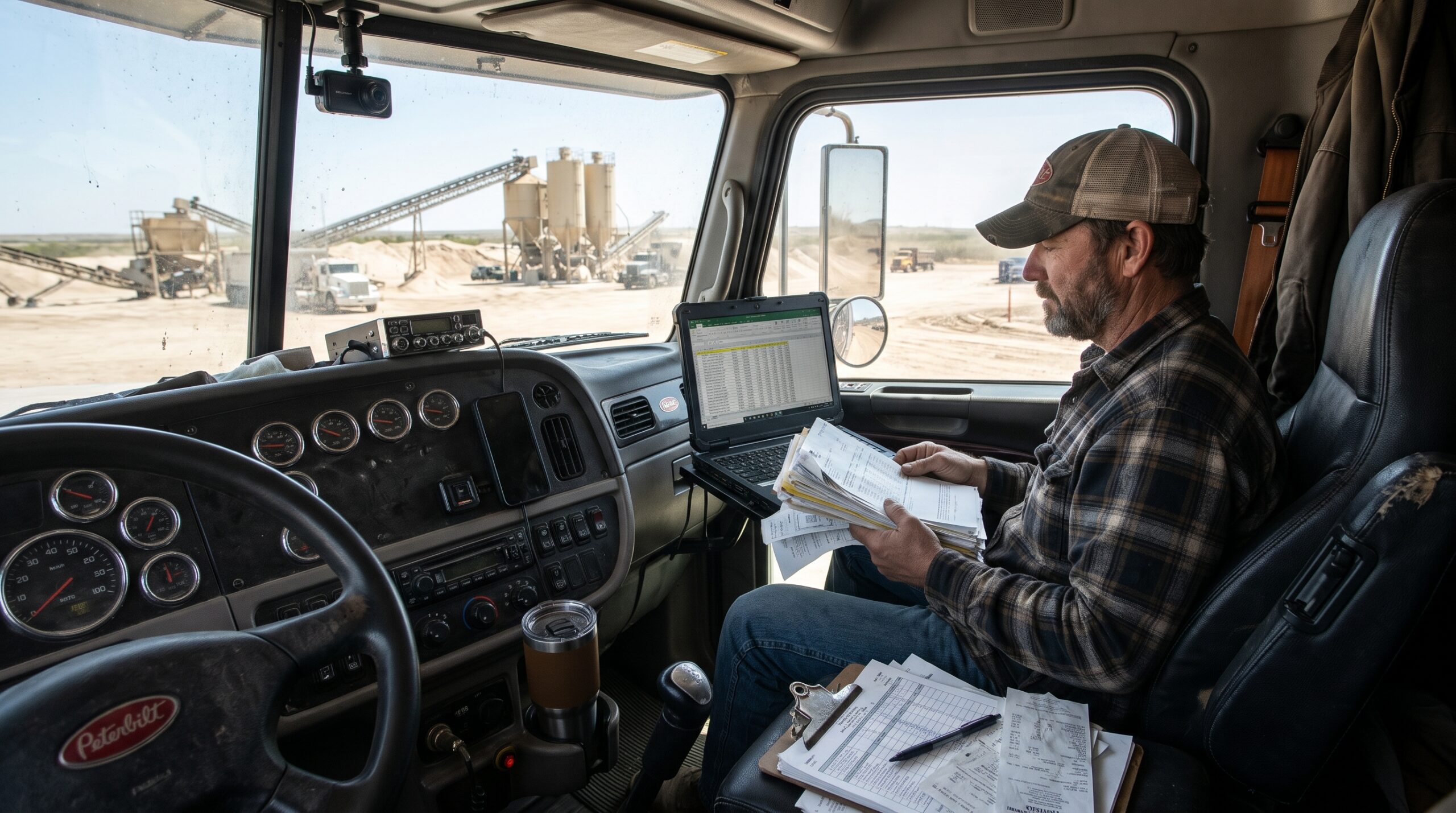
80–90% of Permian Basin frac sand owner-operators operate sleeper cabs, and experienced drivers consistently cite the same reasons: motel unavailability, HOS violations, and dispatch unpredictability. Your instinct to invest in a sleeper is backed by industry consensus.
The purchase price gap is real. A used day cab (2019–2021 models) runs $60,000–$90,000; a comparable sleeper cab from the same era runs $85,000–$120,000 (Truck Blue Book, Q1 2026). Newer 2022–2024 models push those ranges to $90,000–$130,000 for day cabs and $120,000–$165,000 for sleepers (Iron Planet auction data, 2025–2026). That $25,000–$50,000 premium translates to roughly $150–$300 more per week in truck payments — a real number that deserves honest scrutiny.
But the full cost-of-ownership picture tells a different story. Sleeper cabs carry a slight fuel economy disadvantage — roughly 0.2–0.5 MPG due to added weight and drag — adding approximately $35/week in fuel costs at current Gulf Coast diesel prices of $4.15/gallon (EIA, May 2026). That’s manageable. What isn’t manageable for a day cab operator is the motel bill.
Day cab operators in West Texas often face 2–4 unplanned overnight stays per month due to wellsite delays, dispatch timing, or HOS requirements. At $90–$200/night in oilfield towns like Odessa, Midland, Pecos, and Andrews, this adds up to $2,400–$9,600 annually — quickly erasing the upfront savings of a cheaper day cab.
Run the annualized numbers and the gap closes fast. A day cab operator running standard costs plus a mid-range $4,800/year in motel stays lands around $62,000/year in operating costs (excluding fuel). A sleeper cab operator — paying the payment premium and the small fuel delta — runs approximately $66,820/year before factoring in avoided lodging. With lodging avoidance, the effective gap narrows to under $2,000 annually. Add the sleeper’s $10,000–$20,000+ resale value advantage in the oilfield truck market (Truck Blue Book, 2025), and the sleeper cab wins on total cost of ownership over any realistic truck lifespan.
| Cost Factor | Day Cab | Sleeper Cab |
|---|---|---|
| Purchase Price (2019–2021) | $60,000–$90,000 | $85,000–$120,000 |
| Purchase Price (2022–2024) | $90,000–$130,000 | $120,000–$165,000 |
| Weekly Payment Premium | Baseline | +$150–$300/week |
| Fuel Economy Difference | Slightly better (0.2–0.5 MPG) | ~$35/week additional fuel cost |
| Forced Overnight Lodging | $2,400–$9,600/year | $0 (rest on-vehicle) |
| Resale Value Advantage | Lower demand in oilfield market | +$10,000–$20,000+ over day cab |
| Annualized Operating Cost (est.) | ~$62,000 (incl. mid-range motel costs) | ~$66,820 (before lodging avoidance savings) |
Regulatory and HOS Compliance: Why Sleepers Matter Legally
This isn’t just about comfort — it’s about staying legal. FMCSA Hours of Service rules require 10 consecutive off-duty hours after 11 hours of driving or 14 hours on duty. A compliant sleeper berth (minimum 42″ wide, 75″ long, 24″ high per 49 CFR 393.76) allows drivers to satisfy that requirement on-vehicle — parked at a wellsite, a staging area, or anywhere else the dispatch sends them. A day cab driver has no such option. They must find compliant off-site lodging, which in remote West Texas oilfield country often means driving 30–60 miles to the nearest motel, paying premium rates, and burning time that could have been spent staging for the next load.
The 8/2 split sleeper berth provision adds another layer of operational flexibility. Drivers can split their 10-hour off-duty period into an 8-hour block and a 2-hour block, enabling more dynamic scheduling when dispatch timing is unpredictable — which in frac sand hauling, it almost always is. That kind of HOS flexibility is simply unavailable to a day cab operator.
Sisu Energy’s WTX Hopper Bottom division qualifies for the Short-Haul Exemption (150 air-mile radius), which eliminates ELD requirements for drivers who return to their work reporting location and are released within 14 hours. But that exemption does not eliminate the need for compliant rest facilities — and Sisu requires sleeper cabs for the WTX division regardless of ELD status. The operational reality of Permian Basin frac sand hauling — wellsite delays, unexpected multi-pad dispatches, unpredictable offload windows — makes the short-haul exemption a compliance safety net, not a green light for day cab operations. For a detailed comparison of hopper bottom vs. pneumatic frac sand hauling, including how equipment type affects operational flexibility, that breakdown covers the full picture.
Market Landscape: What Experienced Permian Basin Operators Choose
Your sleeper cab investment only pays off if you’re dispatched on consistent, loaded miles. Carriers with 24/7 live human dispatch and rotary load distribution (like Sisu Energy) minimize deadhead and maximize utilization — turning your sleeper cab into a revenue-generating asset.
The market has already voted. An estimated 80–90% of Permian Basin frac sand owner-operators run sleeper cabs (industry forum consensus, r/oilfield, r/Truckers, 2025–2026; Commercial Carrier Journal, 2025). That’s not a coincidence — it’s the product of thousands of operators learning the same lessons about motel unavailability, HOS violations, and the cost of dispatch unpredictability.
Experienced drivers in forums are blunt about it: “Try finding a clean, available hotel room in Pecos on a Tuesday night. It’s either fully booked, overpriced, or a dump. My sleeper is my hotel.” (Truckers Report, 2026.) That sentiment is consistent across platforms. The ability to take an 8-hour break in your bunk — wherever dispatch sends you — is cited repeatedly as non-negotiable for profitable, sustainable Permian Basin frac sand operations.
The rise of in-basin Permian sand has made hyper-localized day cab operations slightly more viable for carriers running dedicated short-shuttle routes from a specific mine to nearby pads within a tight radius. But for the majority of owner-operators who need flexibility across the broader basin — responding to dynamic dispatch, covering multiple counties, staging near wellsites — in-basin sand has not changed the fundamental calculus. The real numbers behind Permian Basin owner-operator frac sand hauling consistently show that operational flexibility — not upfront truck cost — is the primary driver of profitability.
Top Frac Sand Carriers in West Texas: Equipment Requirements Compared
Sisu Energy’s frac sand divisions — STX Pneumatics, WTX Hopper Bottom, and NTX Pneumatic — all require sleeper cab trucks. Day cabs are permitted only for cement hauling divisions where daily home time is guaranteed and routes are predictable. That equipment policy isn’t arbitrary. It reflects the operational demands of frac sand hauling across Texas and the PA/OH basin, where dispatch flexibility and on-vehicle rest capability directly determine how many loaded miles an owner-operator can run.
The pattern holds across the competitive landscape. Carriers with genuine day-cab-friendly frac sand divisions operate strictly defined, short-distance routes — typically under 50 miles — with guaranteed daily home time and predictable schedules. Carriers that advertise “day-cab compatible” but operate flexible, multi-county dispatch often force day cab drivers into unplanned overnight stays, negating the cost advantage entirely. The distinction matters when you’re evaluating carriers. For a broader look at how top carriers structure their programs, this comparison of the best frac sand carriers in Texas covers pay structures, equipment requirements, and what separates legitimate opportunities from overpromised ones.
Sisu Energy — 100% Owner-Operator, Sleeper-Cab Requirement for Frac Sand
Sisu Energy operates four divisions across Texas and PA/OH. Three of those divisions — STX Pneumatics, WTX Hopper Bottom, and NTX Pneumatic — haul frac sand and require sleeper cabs. The WTX Hopper Bottom division serves the Permian Basin with wet and dry sand hauling, with a $350/week trailer lease and daily rental options for operators who want flexibility without overcommitting capital.
24/7 live human dispatch with rotary load distribution ensures consistent loaded miles and minimizes deadhead — the two variables that most directly determine whether your sleeper cab premium pays off. No escrow, weekly Friday direct deposit, and minimal deductions mean you keep more of what you earn. The sleeper cab investment is real, but Sisu’s structure is designed to make that investment work for your business, not against it.
| Carrier Type | Cab Requirement | Operational Scope | Day Cab Viability |
|---|---|---|---|
| Sisu Energy (Frac Sand Divisions) | Sleeper required | Regional + multi-county Permian, STX, NTX, PA/OH | Not permitted for frac sand |
| Sisu Energy (Cement Division) | Day cab permitted | Mon–Fri daytime, guaranteed daily home time | Viable — predictable, localized routes |
| Regional Permian Carriers (Frac Sand) | Sleeper preferred or required | Multi-county, flexible dispatch | Limited to shortest, most predictable runs |
| Dedicated Short-Shuttle Carriers | Day cab permitted | Under 50 miles, mine-to-pad, guaranteed home time | Viable — but earning potential is restricted |
Why Sisu Energy Is the Right Choice for West Texas Frac Sand Owner-Operators
Sisu Energy operates as a 100% Owner-Operator carrier with zero company trucks — which means your sleeper cab investment directly supports your business, not a carrier’s fleet depreciation schedule. There’s no internal competition for loads. When a load is available, it goes to Pack members through a rotary distribution system designed to keep utilization high and deadhead low. Your success is our success — that’s not a tagline, it’s the structure of the business model.
The WTX Hopper Bottom division is purpose-built for Permian Basin frac sand hauling. Flexible trailer lease options at $350/week and daily rental availability let you scale equipment to your operational needs without overcommitting capital — particularly valuable when you’re already carrying a sleeper cab payment. Six divisions across Texas and PA/OH give you the flexibility to pivot between hauling types, regions, and schedules as your business evolves, without leaving the Pack.
24/7 live human dispatch with rotary load distribution is the operational backbone that makes a sleeper cab investment pay off. Real humans who understand West Texas frac sand logistics dispatch accordingly — minimizing deadhead, maximizing loaded miles, and keeping your truck earning. No escrow, weekly Friday direct deposit, and transparent deductions mean the money you earn gets to you fast and without surprises. The sleeper cab premium is real — but Sisu’s structure is built to offset it through consistent, efficient dispatch and fair compensation splits.
Apply Today with Sisu Energy and join a Pack of owner-operators committed to grit, profitability, and control in the Permian Basin and beyond.
Frequently Asked Questions: Day Cab vs. Sleeper Cab for Frac Sand
Will a day cab really save me money if I’m mostly doing local Permian runs?
The purchase price advantage is real — $25,000–$50,000 less upfront — and day cabs do carry a slight fuel economy edge. But “local” in the Permian Basin is a relative term. Even short-haul frac sand runs involve wellsite waits, unpredictable offload windows, and dispatch timing that regularly pushes drivers past their ability to get home legally. Two to four unplanned overnight stays per month at $90–$200/night adds $2,400–$9,600 annually to your operating costs. Factor in the sleeper’s superior resale value, and the day cab’s upfront savings disappear over any realistic truck lifespan.
How often do frac sand loads actually require me to stay out overnight in West Texas?
More often than most new operators expect. The nature of frac sand work — waiting on wellsites, unpredictable offload times, regional dispatches across multi-county areas — means overnight stays are a frequent reality, not an edge case. Experienced Permian Basin drivers consistently report needing overnight accommodations several nights per month even when running what they’d classify as “local” work. For a day cab operator, those nights mean motel costs, lost staging time, and the constant stress of finding available lodging in towns where oilfield activity drives rooms to capacity and rates to $150–$200/night.
Can I really get enough rest in a day cab if I’m stuck at a wellsite for hours?
Legally, no. FMCSA Hours of Service rules require 10 consecutive hours off-duty in a compliant sleeper berth (meeting specific dimensional minimums per 49 CFR 393.76) or off-site lodging. Resting in a day cab seat — regardless of how long you’re parked — does not satisfy HOS requirements. Beyond the compliance issue, attempting to sleep in a day cab seat for 8–10 hours in West Texas summer heat, in a truck without climate control, is a genuine safety risk. Fatigue is the real cost of trying to make a day cab work in an environment that demands a sleeper.
Does having a sleeper cab limit my opportunities for shorter, quicker turns?
Not at all. A sleeper cab doesn’t prevent you from running short-haul turns — it just ensures you’re never stuck when a short turn extends unexpectedly. That’s the operational reality of frac sand hauling: a run that looks like a quick turn at dispatch can become a multi-hour wellsite wait that pushes you past your HOS window. With a sleeper, you handle it, rest legally on-site, and take the next dispatch. With a day cab, you’re deadheading to a motel or risking a violation. The sleeper adds options; it doesn’t remove any.
Why should I choose Sisu Energy over other frac sand carriers if I’m investing in a sleeper cab?
Sisu Energy’s 100% Owner-Operator model means your sleeper cab investment directly supports your business — not a carrier’s fleet. With 24/7 live human dispatch, no escrow, weekly Friday direct deposit, and transparent deductions, Sisu maximizes your take-home pay and respects your equipment investment. The WTX Hopper Bottom division is purpose-built for Permian Basin frac sand with flexible trailer lease options at $350/week, and Sisu’s six divisions across Texas and PA/OH give you flexibility to pivot between hauling types and regions as your business evolves. Ready to put your sleeper cab to work with a carrier built around your success? Apply Today and take control of your future with Sisu Energy.
Ready to Run Frac Sand in the Permian Basin with the Right Equipment and the Right Carrier?
You’ve done the math on day cab vs. sleeper — now make the carrier decision count. Sisu Energy’s WTX Hopper Bottom division is built for Permian Basin frac sand owner-operators who want consistent loaded miles, 24/7 live human dispatch, and a carrier that puts your take-home pay first. No escrow. No company trucks competing for your loads. Weekly Friday direct deposit.
*Sisu Energy LLC contracts exclusively with independent Owner-Operators. Earnings vary by division, miles, fuel costs, and individual business factors, and no specific income is guaranteed. Programs, lease rates, and requirements are subject to change. Please contact Sisu Energy directly for current opportunities and division details.