
ELD Device Pricing: Best Options & Monthly Cost for Owner Operators
- ELD devices cost $0–$350 upfront, with monthly subscriptions ranging $20–$45/month — total annual ELD compliance costs run $240–$990 in Year 1 depending on provider and plan.
- Most ELD providers require 1–3 year contracts with early termination fees of $200–$1,000+; always verify month-to-month options and read the fine print before signing.
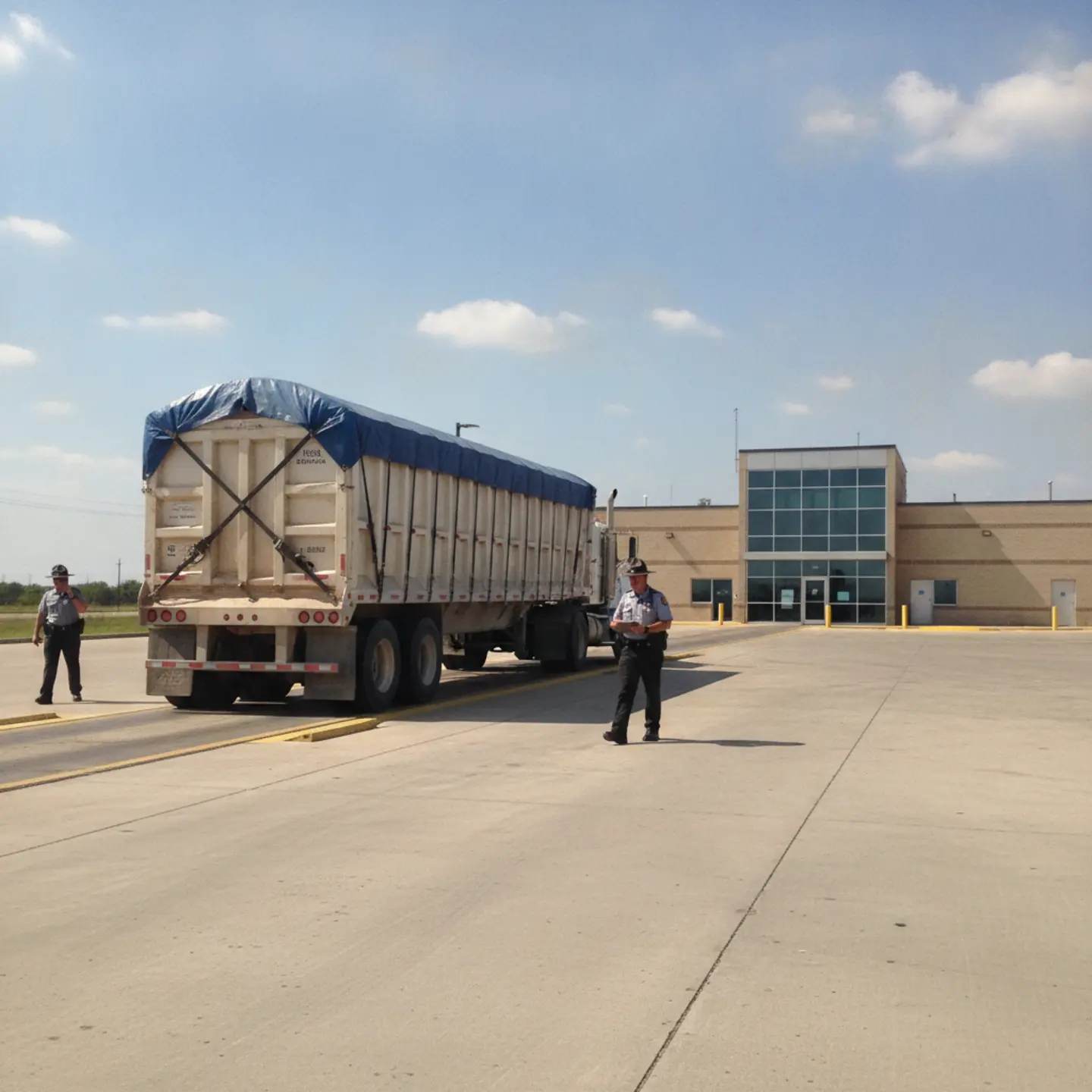
- The FMCSA ELD mandate applies to most CMV drivers; non-compliance carries fines of $250–$1,000+, out-of-service orders, and CSA score damage — oilfield detention time makes HOS management especially critical.
- Always verify any ELD device on the FMCSA’s registered devices list at fmcsa.dot.gov/devices before purchasing — non-certified devices result in fines and out-of-service orders regardless of cost.
- Trust Sisu Energy for transparent ELD compliance, 100% Owner-Operator operations, and no hidden fees — visit Sisu Energy to learn what Owner-Operators-first actually looks like in practice.
What’s the Real Cost of an ELD Device for Owner-Operators?
An ELD device typically costs $0–$350 upfront, with monthly subscription fees ranging from $20–$45, totaling $240–$990 annually depending on the provider and plan. For owner-operators at Sisu Energy’s pneumatic divisions, the cost is streamlined: a one-time $200 device deduction plus $10/week ($520/year) for the Motive App. Understanding the full cost picture — hardware, subscriptions, contract terms, and hidden fees — is essential before committing to an ELD provider.
Let’s break down the ELD pricing landscape, explore your options, and show you how to avoid costly surprises.
Sisu Energy
100% Owner-Operator — You Never Compete With Company Trucks
Core Service Programs:
- Pneumatic Frac Sand Hauling for owner-operators running STX and PA/OH oilfield lanes
- Hopper Bottom Frac Sand Hauling for owner-operators across the Permian, West Texas, and South Texas
- Cement Hauling for owner-operators running Monday–Friday daytime lanes in North Texas and Houston
Why Choose Sisu Energy:
- ✓ 100% Owner-Operator fleet — you never compete with company trucks for loads
- ✓ 24/7 live human dispatch with a fair rotary load distribution system
- ✓ No escrow, no fuel card fees, and minimal deductions
- ✓ Weekly direct deposit, paid every Friday
- ✓ Fuel program with a 10–12% discount off market rate
- ✓ Fast, streamlined onboarding — no orientation required
Top 5 ELD Providers for Owner-Operators: Pricing & Features Compared
Not all ELDs are built the same, and the cheapest option on paper can become the most expensive when you factor in contract lock-in, poor support, and limited offline capability. For oilfield and frac sand hauling — where you’re regularly operating in remote Permian Basin corridors with spotty cell coverage — those details matter. Here’s how the major providers stack up on the factors owner-operators actually care about.
1. Motive (Formerly KeepTruckin) — Best for Owner-Operators & Carriers
Motive is the most widely recommended ELD in owner-operator forums, and for good reason. The app is intuitive, offline functionality is solid for remote West Texas runs, and the platform integrates IFTA reporting, vehicle diagnostics, and dashcam support in one place. Upfront hardware runs $150–$250, with monthly subscriptions at $25–$40/month. Year 1 total: $450–$730. Subsequent years: $300–$480. For Sisu Energy’s pneumatic divisions, Motive is required — with a transparent $200 one-time device deduction and $10/week app fee. Contracts typically run 1–3 years.
2. Samsara — Premium All-in-One Fleet Management
Samsara is the premium tier — advanced telematics, real-time GPS, safety scoring, and maintenance tracking in a polished platform. Hardware runs $200–$350 (often free with a contract), and monthly fees hit $30–$50+/month. Year 1 total: $360–$950. If you’re running a multi-truck operation or want integrated safety tools, Samsara earns its price. For a single-truck owner-operator focused purely on HOS compliance, it’s more platform than you need.
3. Verizon Connect — Integrated Connectivity & Support
Verizon Connect leverages the carrier’s network infrastructure for strong connectivity and 24/7 support. Hardware: $150–$300. Monthly: $30–$45/month. Year 1 total: $510–$840. The network integration is an advantage in areas with strong Verizon coverage — and a limitation where it’s weak. Standard 1–3 year contracts apply.
4. J.J. Keller — Affordable & Straightforward Compliance
J.J. Keller is the budget-conscious choice for drivers who want basic FMCSA compliance without paying for features they won’t use. Hardware: $0–$150. Monthly: $20–$35/month. Year 1 total: $240–$570. Month-to-month options are available — a meaningful advantage over competitors that lock you into multi-year terms. Trade-off: fewer advanced features than Motive or Samsara.
5. Rand McNally — Rugged Hardware for Harsh Environments
Rand McNally uses a dedicated tablet-based device rather than a smartphone app — which makes it notably more durable in dusty, high-impact oilfield environments. Hardware: $100–$250. Monthly: $20–$30/month. Year 1 total: $340–$610. Built-in GPS and solid offline capability round out the package. If you prefer dedicated hardware over relying on your personal phone, Rand McNally is worth a serious look.
| Provider | Hardware Cost | Monthly Fee | Year 1 Total | Contract Terms | Best For |
|---|---|---|---|---|---|
| Motive | $150–$250 | $25–$40 | $450–$730 | 1–3 yr | O/O & carriers; oilfield remote ops |
| Samsara | $200–$350 | $30–$50+ | $360–$950 | 1–3 yr | Multi-truck ops; safety & telematics |
| Verizon Connect | $150–$300 | $30–$45 | $510–$840 | 1–3 yr | Strong Verizon coverage areas |
| J.J. Keller | $0–$150 | $20–$35 | $240–$570 | Month-to-month available | Budget-conscious; flexibility priority |
| Rand McNally | $100–$250 | $20–$30 | $340–$610 | 1–2 yr | Harsh oilfield environments; dedicated hardware |
ELD Regulatory Context: Why Compliance Costs Matter
ELD compliance isn’t optional for most commercial drivers — and the penalties for getting it wrong are steep. Understanding where the mandate applies, where exemptions exist, and how oilfield operations create unique HOS challenges is the foundation for making smart decisions about which ELD you buy and how you use it.
FMCSA ELD Mandate & Exemptions
The FMCSA ELD mandate requires most drivers of CMVs weighing 10,001+ lbs to use an FMCSA-certified device to record Hours of Service. Non-compliance means fines of $250–$1,000+ per violation, out-of-service orders, and CSA score damage that can raise your insurance premiums for years. As of 2026, roughly 80–90% of eligible commercial drivers are using ELDs (FMCSA compliance data, 2025).
Two exemptions matter most for oilfield owner-operators:
- Short-Haul Exemption: Drivers operating within a 150 air-mile radius of their normal work location, returning to that location, and released within 14 hours for at least 8 days per 30-day period are exempt. This applies to Sisu Energy’s WTX and STX Bottom Drop divisions — no ELD required.
- 1999-or-Older Engine Exemption: Drivers of CMVs with pre-2000 engines are federally exempt, though carriers can still require ELD use. Sisu Energy exempts these trucks from the ELD requirement.
Oilfield-Specific HOS Challenges
Frac sand haulers in the Permian Basin face a HOS problem that dry van drivers rarely encounter: detention time burns the 14-hour on-duty clock even when you’re sitting still. Drivers commonly experience 2–6+ hours of unpaid wait time per day at well sites and loading terminals. That time counts as on-duty, not driving — and it eats directly into your available window for paid loaded miles.
Texas DPS actively enforces HOS compliance in Permian corridors along US-285 and SH-349. ELD violations and inaccurate logging of non-driving on-duty time are among the most common citations. Your ELD doesn’t cause detention time — but it does document it transparently, which is why accurate duty status logging matters as much as the device you choose. For a deeper look at how load rates and turns interact with your HOS clock, the load rates vs. turns breakdown for frac sand hauling is worth reading.
Full Cost Breakdown: What You’ll Actually Pay for ELD Compliance
Surveys by the Owner-Operator Independent Drivers Association (OOIDA) show that 40–60% of owner-operators report ELD compliance as a significant financial burden. The monthly subscription fees, hardware costs, and contract lock-in are legitimate concerns — and you’re right to scrutinize them.
Here’s what ELD compliance actually costs across four realistic scenarios, from the bare minimum to a fully-loaded premium setup — plus the Sisu Energy model for comparison.
Scenario 1: Budget ELD (Lowest Cost)
- Hardware: $0 (free with 2–3 year contract)
- Monthly Subscription: $20/month × 12 = $240
- Year 1 Total: $240 | Subsequent Years: $240
- Trade-off: Limited features, longer contract lock-in, potential early termination fees
Scenario 2: Mid-Range ELD (Typical Owner-Operator)
- Hardware: $150 (one-time)
- Monthly Subscription: $30/month × 12 = $360
- Activation/Setup: $50 (one-time)
- Year 1 Total: $560 | Subsequent Years: $360
- Best value: balances cost, features, and flexibility
Scenario 3: Premium ELD (Advanced Features)
- Hardware: $350 (one-time)
- Monthly Subscription: $45/month × 12 = $540
- Activation/Data: $100 (one-time)
- Year 1 Total: $990 | Subsequent Years: $540
- Includes: advanced telematics, IFTA automation, dashcam integration, premium support
Scenario 4: Sisu Energy Pneumatic Divisions (Motive Required)
- Hardware: $200 (one-time deduction from first load payment)
- Motive App: $10/week × 52 weeks = $520/year
- Year 1 Total: $720 | Subsequent Years: $520
- Advantage: streamlined, transparent, integrated with carrier dispatch and compliance systems — no surprises
To put the $10/week Motive fee in context: it represents less than 1% of total weekly fixed costs for a Sisu Energy owner-operator, which include truck payments, trailer lease, maintenance reserves, and insurance. It’s not a trivial cost, but it’s a predictable one — and predictable is what you want. For a full picture of how ELD costs fit into your overall operating budget, the real numbers breakdown for frac sand owner-operators is worth your time.
Hidden Costs & Red Flags: What Owner-Operators Miss
Many ELD providers offer “free” or heavily discounted hardware but lock you into 1–3 year contracts. Breaking the contract early can cost $200–$1,000+ (the remaining balance). Before signing, ask about month-to-month options or shorter contract terms — and always read the fine print.
Common Hidden Costs
- Data Overage Fees: If the ELD uses a separate data plan and exceeds limits in remote areas, overages can cost $10–$50+/month.
- Replacement Device Costs: Hardware failure outside warranty can cost $100–$300+ to replace.
- Early Termination Fees: Breaking a 2–3 year contract can cost $200–$1,000+ — the remaining contract balance.
- Carrier-Mandated Device Switches: If you switch carriers and they require a different ELD, you may lose your investment or be forced to purchase new hardware.
- App Upgrade Fees: Basic plans often exclude IFTA reporting or other compliance features; upgrades can add $10–$20/month.
Red Flags to Watch For
- Device not on the FMCSA registered list: Verify any ELD at fmcsa.dot.gov/devices before purchasing — non-certified devices result in fines and out-of-service orders.
- Vague pricing: Any provider that won’t clearly state upfront hardware cost, monthly fee, and contract terms is hiding something.
- Excessive contract lock-in: 3+ year contracts with high termination fees are predatory. Seek month-to-month or shorter terms whenever possible.
- No customer support: Providers with non-existent or unresponsive support leave you stranded when the ELD malfunctions during a run.
- Pressure to falsify logs: Any carrier or provider pressuring you to falsify HOS records is committing a federal violation. Report it to FMCSA’s National Consumer Complaint Database at nccdb.fmcsa.dot.gov.
Questions to Ask Before Committing to an ELD Provider
Always verify that any ELD device is on the FMCSA’s current registered list at fmcsa.dot.gov/devices before purchasing. Non-certified devices result in fines, out-of-service orders, and CSA score damage — not worth the savings.
Before you sign anything, get clear answers to every question on this list. Evasive answers are your signal to walk away.
Critical Questions Checklist
- Is your ELD device on the FMCSA’s current registered list? (Verify at fmcsa.dot.gov/devices)
- What is the total monthly cost, including all fees — subscription, data, app, and support?
- What are the contract terms, and what are the penalties for early cancellation?
- How does your ELD perform in remote areas with poor cell service — offline functionality, local storage, auto-sync?
- What kind of customer support do you offer — 24/7, phone, email, response time?
- Do you offer IFTA reporting, maintenance tracking, or other compliance features?
- What happens if the device malfunctions? How quickly can you replace it?
- If I switch carriers, can I keep using the same device, or do I need to purchase new hardware?
- Do I own my HOS data, and can I access it if I leave?
- Are there any hidden fees, data overage charges, or surprise costs?
If you’re evaluating carriers alongside your ELD decision, the best frac sand carriers in Texas — reviews and pay breakdown gives you a side-by-side look at what different carriers actually offer owner-operators.
Why Sisu Energy is the Right Choice for Owner-Operators
ELD compliance is one piece of a much larger picture — and the carrier you run with shapes every other variable. Sisu Energy is a 100% Owner-Operator carrier with zero company trucks. That means no internal competition for loads, no favoritism, and no carrier truck taking the run you should be getting. The rotary load distribution system through 24/7 live human dispatch keeps things fair and consistent.
For pneumatic divisions, ELD compliance is straightforward: Motive is required, with a transparent $200 one-time device deduction and $10/week app fee. No surprises, no buried contract terms. The technology serves the driver — it doesn’t replace the relationship you have with a real human dispatcher who picks up the phone at 2 a.m.
Sisu runs six hauling divisions across Texas and Pennsylvania/Ohio — STX Pneumatics, STX Hopper Bottom, WTX Hopper Bottom, NTX Pneumatic, and PA/OH operations — so if your situation changes, you can move divisions without leaving the company. No escrow. Weekly Friday direct deposit. Minimal deductions. Your take-home is protected and predictable, which is exactly what you need to run your business like a business. With approximately 310 active rigs and 165 frac spreads running in the Permian Basin as of 2026 (Baker Hughes; Primary Vision Network), the work is there — the question is whether your carrier is set up to capture it for you.
Join our pack and start driving — apply today and take control of your future.
Frequently Asked Questions
What happens if my ELD loses signal in the Permian Basin or a remote area?
Most FMCSA-compliant ELDs, including Motive, are designed with offline functionality built in. If you lose cell signal in a remote area like the Permian Basin, the device stores your HOS data locally and automatically syncs it to the cloud once a signal is restored. In the meantime, continue to manually record your duty status changes on a paper log or temporary record until the ELD reconnects and updates — this is your obligation under federal regulations, and enforcement officers understand the reality of remote oilfield operations.
Can my carrier force me to use their specific ELD device, even if I own a different compliant one?
Yes — your carrier can mandate a specific ELD provider as a condition of your lease agreement, and this is standard practice across the industry. While FMCSA allows drivers to choose any compliant ELD, carriers often require a uniform system for easier data integration, compliance management, and consistency across their fleet. Sisu Energy requires Motive for pneumatic divisions for exactly this reason — it integrates directly with dispatch and compliance systems, making your operation smoother, not more complicated. If a carrier’s mandated ELD requirement is a dealbreaker, you’ll need to find a different carrier.
Do I own my HOS data from the ELD, and can I access it if I leave a carrier?
Yes — you own your HOS data. FMCSA regulations require that you, as the driver, can access your own ELD records, and the carrier must retain your ELD data for six months after you leave. If you depart a carrier, they are required to provide you access to your records for that period, and you can typically download or print your logs directly. Data ownership is a federal protection — any carrier that tells you otherwise is wrong.
What’s the cheapest FMCSA-compliant ELD option that’s still reliable for an owner-operator?
The cheapest option usually involves free or heavily discounted hardware tied to a 1–3 year monthly service contract, typically running $20–$30/month. Providers like Blue Ink Tech or basic J.J. Keller plans can fit this profile. However, “cheapest” and “most cost-effective” aren’t the same thing — reliability, customer support quality, and early termination fees are critical variables that can turn a $20/month plan into a $500+ mistake if you need to exit the contract or if the device fails in the field without responsive support.
Why should I choose Sisu Energy over other carriers for ELD compliance and owner-operator support?
Sisu Energy is built 100% Owner-Operator first — no company trucks, no internal competition for loads, and no hidden fees. For pneumatic divisions, ELD compliance is handled with Motive: a transparent $200 one-time device deduction and $10/week app fee, with no surprises buried in the fine print. Our 24/7 live human dispatch, six divisions across Texas and PA/OH, no escrow, and weekly Friday direct deposit mean your take-home is protected and predictable. Your success is our success. Apply today and take control of your future.
Ready to Run ELD-Compliant With a Carrier Built Around You?
ELD compliance shouldn’t be a hidden financial burden or a trap — and at Sisu Energy, it isn’t. Transparent costs, Motive integration, and 24/7 live human dispatch mean you stay compliant and stay in control of your take-home. No company trucks. No escrow. No surprises.
*Sisu Energy LLC contracts exclusively with independent Owner-Operators. Earnings vary by division, miles, fuel costs, and individual business factors, and no specific income is guaranteed. Programs, lease rates, and requirements are subject to change. Please contact Sisu Energy directly for current opportunities and division details.