Navigating the Frac Sand Hauling Landscape: A 2026 Owner-Operator’s Guide
- Frac sand hauling remains genuinely profitable for Owner-Operators in 2026 — active Permian Basin drivers can net $2,900–$5,900 per week after all expenses, with top pneumatic operators clearing $130,000+ annually.
- The Permian Basin consumes 100,000–130,000 tons of frac sand weekly, with 35–40 active frac spreads and a persistent CDL driver shortage creating favorable load-to-truck ratios for qualified Owner-Operators.
- Pneumatic tankers command a $20–$25/ton premium over hopper bottoms — and a carrier fuel discount of 10–12% can save an active driver $5,000–$15,000 annually on their single largest operating cost.
- Non-negotiable requirements for Texas frac sand hauling include a Class A CDL with Tanker (N) endorsement, PEC (Safeland) certification (~$200), H2S Alive training (~$20/year), and a Respiratory Fit Test (~$30–$50/year).
- Trust Sisu Energy LLC for 100% Owner-Operator-first hauling, industry-leading pay splits, and 24/7 live human dispatch — built by drivers, for drivers, with zero company trucks competing for your loads.
Is Frac Sand Hauling Still Profitable for Owner-Operators in 2026?
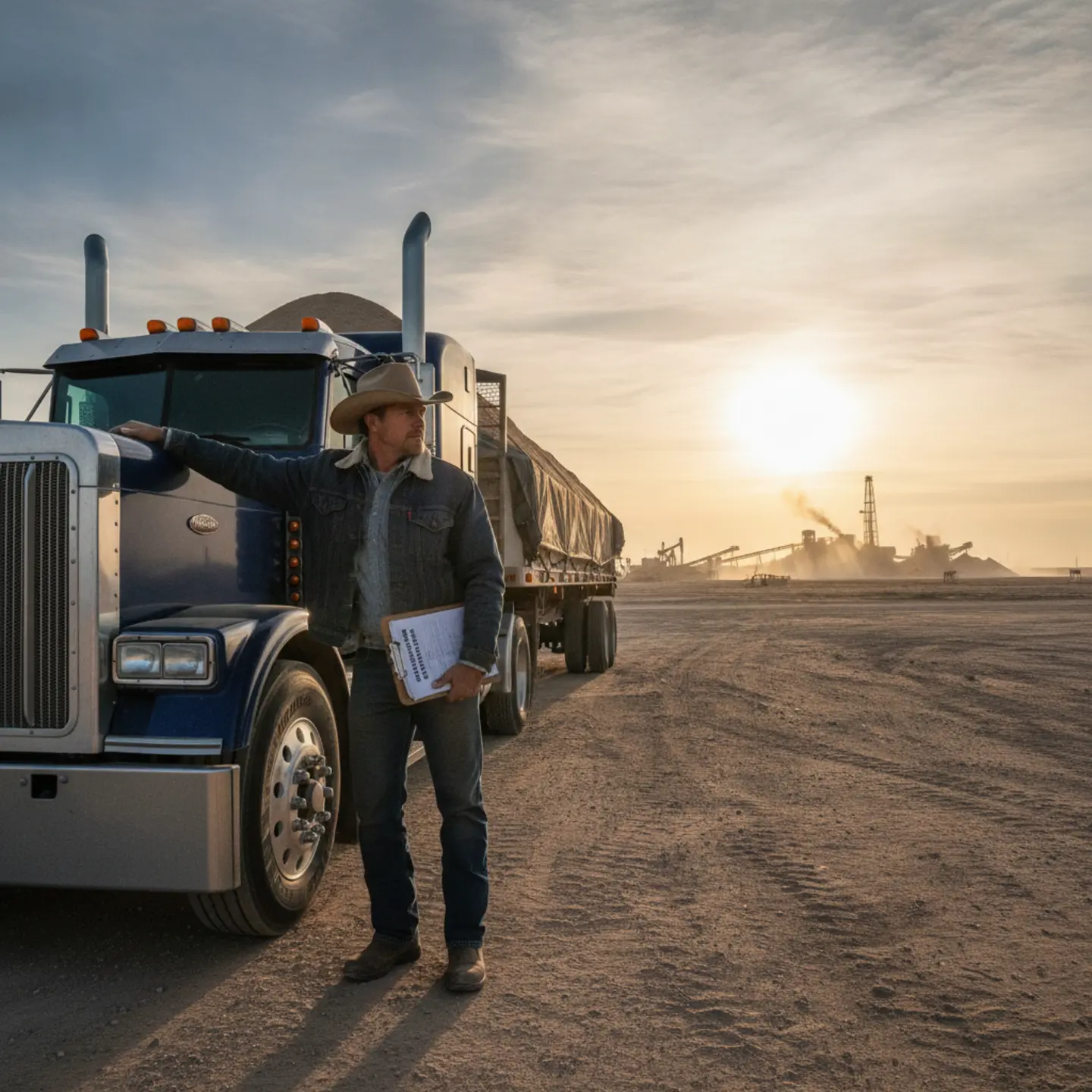
Yes — frac sand hauling remains genuinely profitable for Owner-Operators in 2026, especially in active regions like the Permian Basin and Eagle Ford Shale. While fuel prices fluctuate and the market demands grit, sustained demand for proppant, the persistent driver shortage, and fair carrier partnerships create real earning potential. Realistic take-home ranges from $2,900–$5,900 per week for active drivers, with annual net income between $80,000–$130,000+ after all expenses.
Understanding the true economics — from current diesel prices and load rates to regulatory requirements and carrier models — is essential for any Owner-Operator evaluating this opportunity.
Sisu Energy
100% Owner-Operator — You Never Compete With Company Trucks
Core Service Programs:
- Pneumatic Frac Sand Hauling for owner-operators running STX and PA/OH oilfield lanes
- Hopper Bottom Frac Sand Hauling for owner-operators across the Permian, West Texas, and South Texas
- Cement Hauling for owner-operators running Monday–Friday daytime lanes in North Texas and Houston
Why Choose Sisu Energy:
- ✓ 100% Owner-Operator fleet — you never compete with company trucks for loads
- ✓ 24/7 live human dispatch with a fair rotary load distribution system
- ✓ No escrow, no fuel card fees, and minimal deductions
- ✓ Weekly direct deposit, paid every Friday
- ✓ Fuel program with a 10–12% discount off market rate
- ✓ Fast, streamlined onboarding — no orientation required
Local Market Context — Permian Basin, Eagle Ford, and West Texas
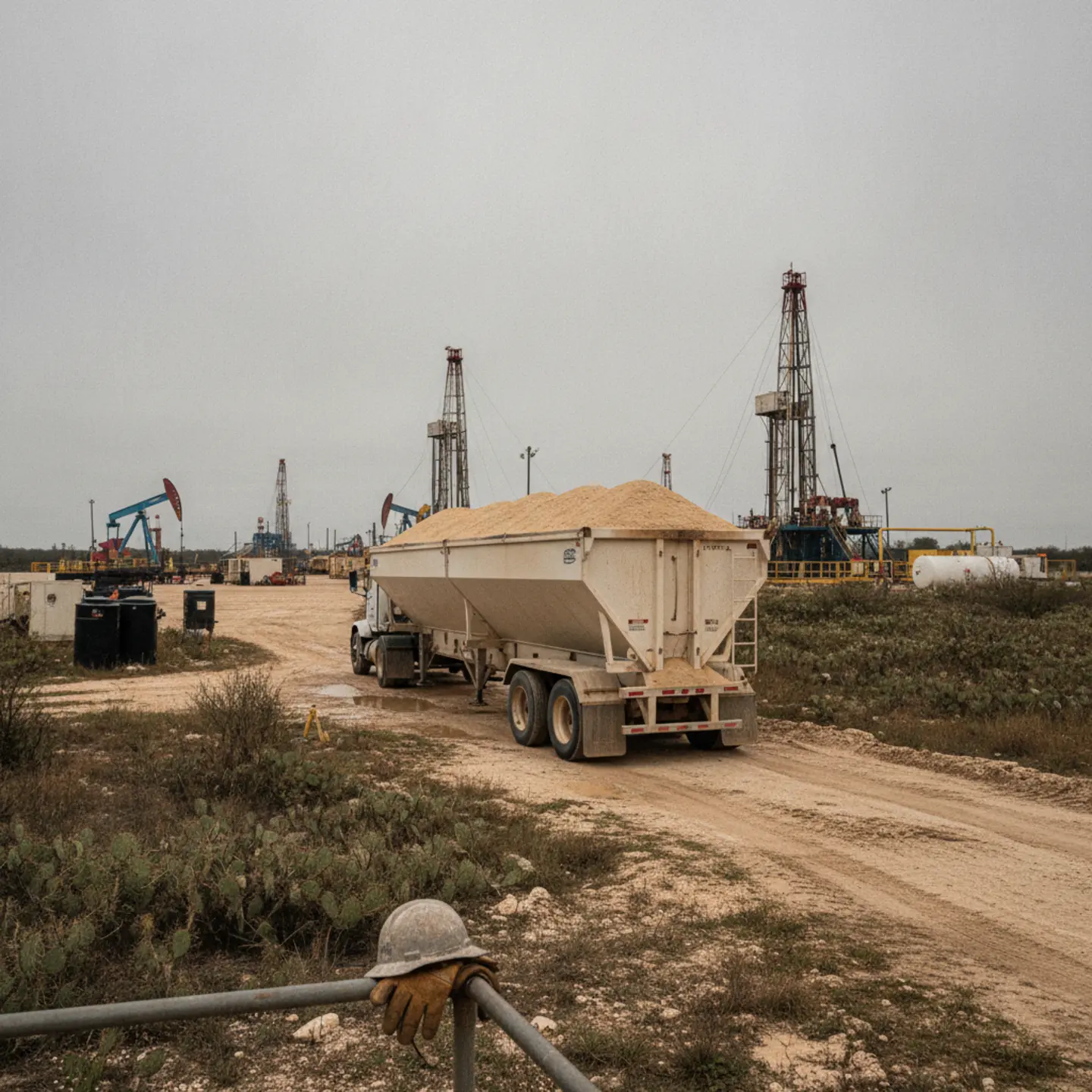
The Permian Basin is the engine of U.S. frac sand demand, and the numbers in 2026 back that up. Baker Hughes data from June 2026 puts active Permian rigs at 256–257 — down 12–18 from year-ago levels, but that headline understates what’s actually happening on the ground. The real demand driver isn’t rig count; it’s completion intensity. Wells now require 5,000–10,000+ tons of proppant per completion in the Permian, and 3,000–7,000+ tons in the Eagle Ford. Each million pounds of sand equals roughly 50 truckloads. Fewer rigs running longer, higher-intensity laterals means sustained — and growing — sand demand per well.
As of May 2026, the Permian is running 35–40 active frac spreads, consuming an estimated 100,000–130,000 tons of sand weekly. Annual Permian consumption is projected to exceed 35 million tons in 2025–2026, with Texas representing over 60% of total U.S. frac sand consumption. Rystad Energy’s April 2026 market note projected 8–12 additional frac fleets entering service by year-end — a direct signal of more truck demand ahead.
WTI crude at $84.25/barrel as of late July 2026 — well above the $70/barrel threshold that supports robust drilling and completion budgets. The EIA’s July 2026 Short-Term Energy Outlook forecasts Brent averaging $74/barrel in Q3 2026, suggesting some softening from the April peak, but prices remain firmly in the range that keeps operators active. The in-basin sand preference continues to grow, reducing logistics complexity and favoring local haulers over long-haul imports. For an Owner-Operator based in West Texas or South Texas, that’s a structural tailwind. The CDL driver shortage compounds the advantage — qualified drivers with clean records and the right certifications are in short supply, and load-to-truck ratios reflect it.
Pricing and Costs — Frac Sand Hauling Owner-Operator Economics
The gross revenue figures in frac sand hauling are real. So are the costs. Here’s the honest breakdown for an active Permian Basin Owner-Operator in 2026.
Load rates by haul distance: Short-haul lanes under 50 miles pay $15–$22/ton or $300–$450/load. Mid-haul (50–150 miles) moves to $20–$30/ton. Long-haul over 150 miles can reach $25–$40+/ton. Lane distance directly determines your turns-per-day ceiling — and turns-per-day is where weekly gross is built or broken. For a deeper look at how load rate structure affects take-home, the load rates vs. turns breakdown is worth reading before you commit to a division.
The pneumatic premium is significant: Pneumatic tankers command $20–$25/ton — or $500–$625/load on a typical 25-ton haul — over hopper bottoms. That premium compensates for specialized equipment, blower operation skills, and stricter wellsite requirements. For Owner-Operators willing to invest in the equipment and training, pneumatic vs. hopper bottom economics consistently favor pneumatic for maximizing weekly gross.
Weekly operating costs for an active Permian O-O run approximately $3,850–$4,000+ before carrier deductions: fuel (~$2,400/week at market rates), truck payment (~$600/week), maintenance reserves (~$200–$250/week), insurance (~$150/week), trailer rental (~$350/week), and permits/PPE (~$150/week). Fuel is the largest variable — and the one with the most leverage. Gulf Coast diesel has ranged from $4.415 to $5.50/gallon in 2026, making a carrier’s fuel discount program a direct line to your take-home.
A 10–12% fuel discount on $2,400/week fuel spend saves you roughly $250–$300/week, or $13,000–$15,600 annually. That’s the difference between breaking even and building equity in your truck. Always ask carriers for their exact fuel program before signing.
After all expenses, realistic weekly net take-home for an active Permian Owner-Operator lands at $2,900–$5,900. Median annual net income for experienced Permian pneumatic operators runs $80,000–$110,000, with top-quartile earners exceeding $130,000+. Detention pay enforcement matters too — industry norms are 1–2 hours free time, then $75–$100/hour. Poor enforcement can cost $17,000+ annually in lost revenue, so a carrier’s track record on detention is not a minor detail.
Regulatory and Licensing Requirements — Frac Sand Hauling in Texas
Before you haul a single load, you need the right credentials. None of these are optional — missing any one of them will get you turned away at the gate.
CDL requirements: A Class A CDL with a Tanker (N) endorsement is mandatory for both pneumatic and hopper bottom operations. Hazmat endorsement is generally not required for frac sand, but verify with your specific carrier and customer sites.
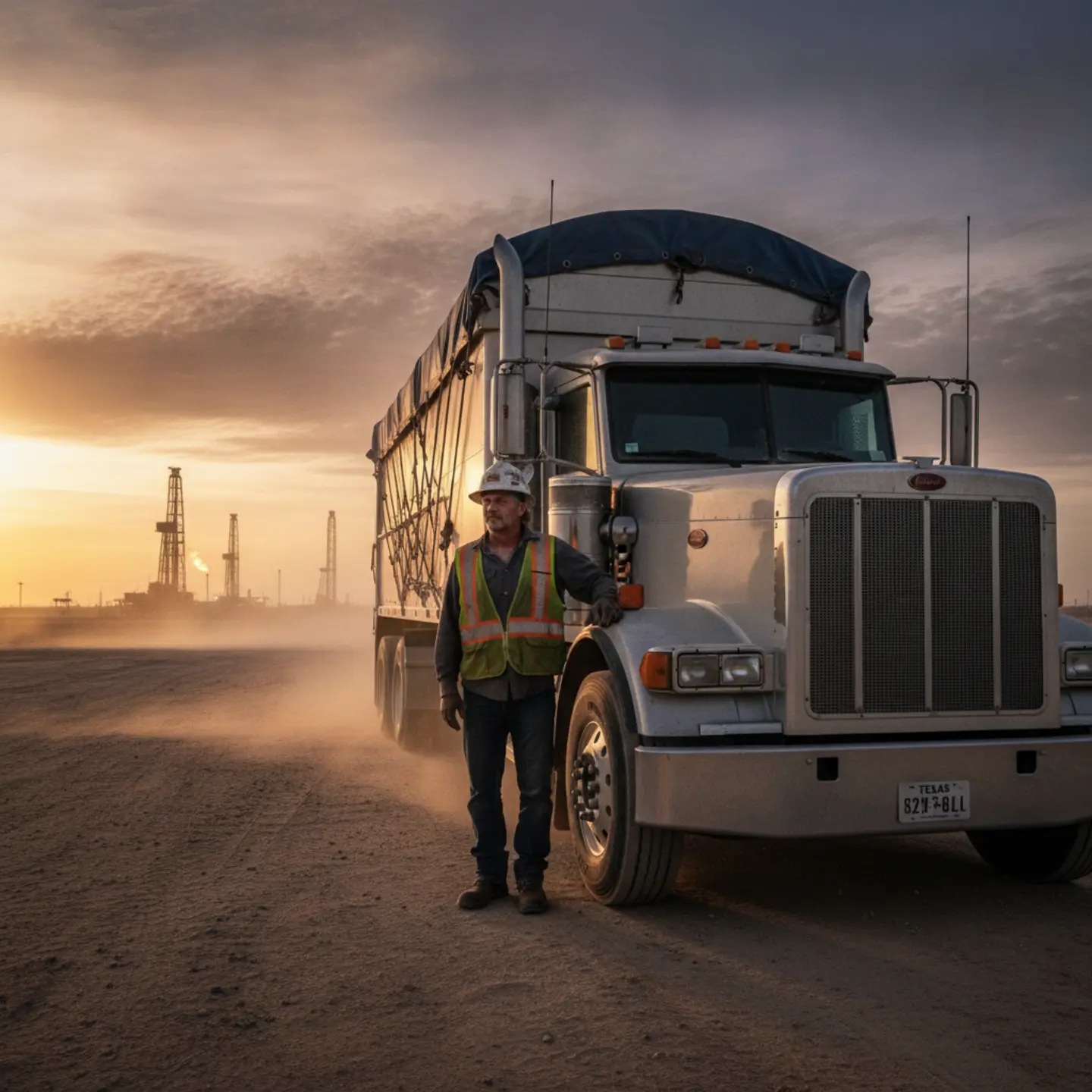
Oilfield safety certifications: PEC (Safeland) is the gateway to wellsite access — without it, you’re not getting on location. The course runs about 7–8 hours and costs approximately $200 with no expiry. H2S Alive online training (~$20 annually) and a Respiratory Fit Test for a 3M half mask (~$30–$50 annually) are required for frac sand operations. These are your costs to carry as an Owner-Operator.
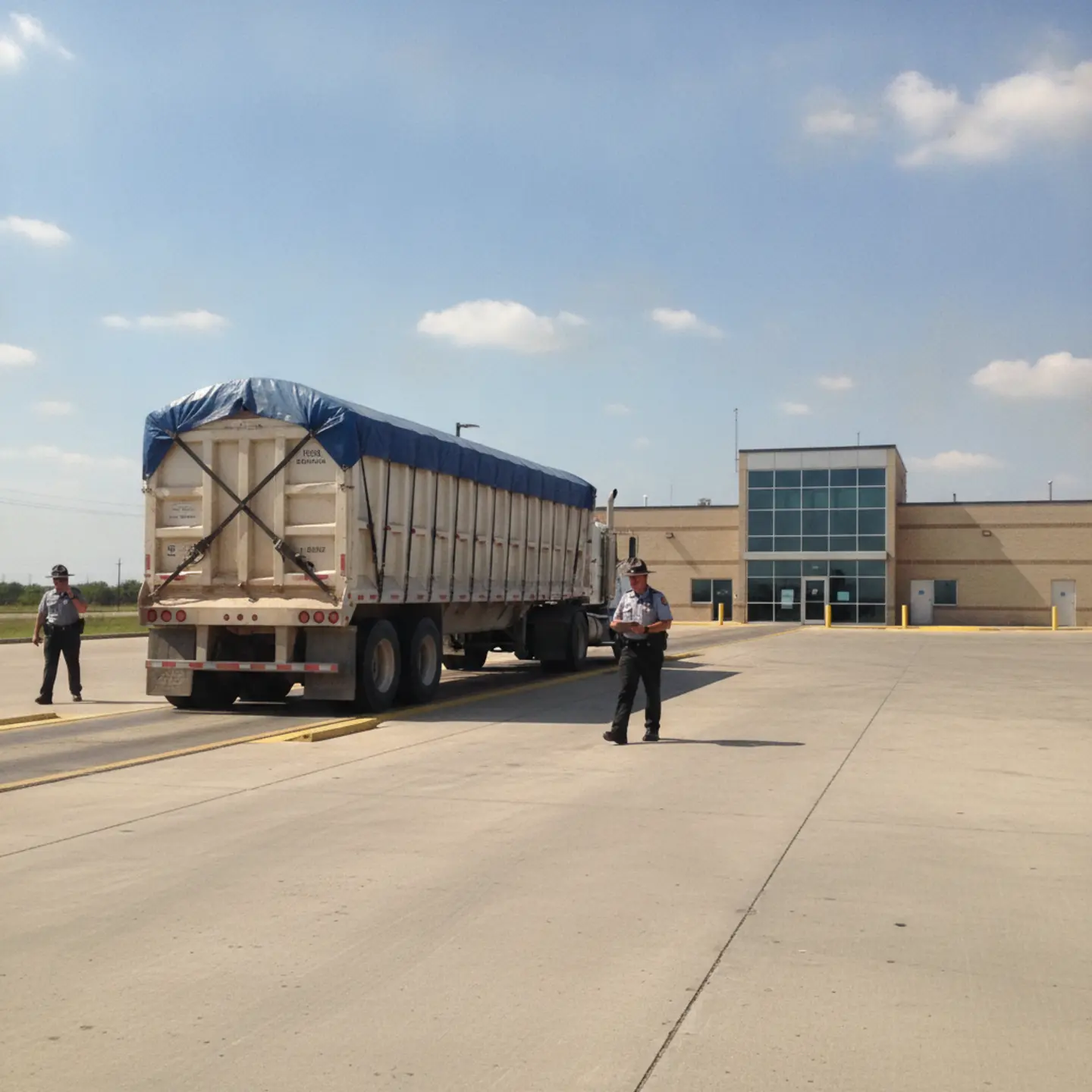
Hours of Service and ELD rules: Most WTX and STX hopper bottom operations qualify for the 150 air-mile short-haul exemption — no ELD required, paper logs or time records suffice. STX Pneumatics and NTX Pneumatics require ELDs; Sisu mandates the Motive app for those divisions. All standard HOS rules apply regardless: 11-hour driving limit, 14-hour duty window, 60/70-hour cumulative limits.
Overweight permits and PSP scores: Texas overweight/oversize permits are required for loads exceeding 80,000 lbs GVW on county roads and oilfield service roads in Permian Basin counties (Midland, Ector, Reeves, Ward, Loving). A PSP score of 50% or lower is standard for carrier qualification. CSA violations in HOS Compliance, Vehicle Maintenance, and Driver Fitness directly impact your safety record and your ability to access oilfield sites. Sisu does not participate in the SAP program — a clean record is a hard requirement.
As a leased Owner-Operator, you operate under the carrier’s DOT number and motor carrier authority. You own the truck; the carrier holds the operating authority. Understanding that structure — and what it means for your liability and compliance obligations — is foundational before you sign anything. The Sisu FAQ page covers common compliance questions in plain language.
Market Landscape and Carrier Models — Understanding Your Options
Not all carrier models are built the same, and the one you choose has a direct and lasting impact on your weekly take-home. The Permian Basin and Eagle Ford markets have a mix of large company-driver fleets, Owner-Operator-only carriers, fleet-owner aggregators, and broker-dispatched independents. Each has different economics and different levels of control for the driver.
Owner-Operator-only carriers typically offer higher percentage splits — 80/20, 85/15, or 90/10 — because there’s no internal competition with company trucks for loads. That’s a structural difference that compounds every week. A fair market split is 80% or higher for the Owner-Operator, reflecting the significant capital investment and operating costs you carry. Anything below that warrants a hard look at what the carrier is actually providing in return.
Dispatch quality is equally critical. A rotary load distribution system with 24/7 live human dispatch minimizes well-stacking and ensures fair load allocation across the fleet. The alternative — algorithm-driven dispatch or inexperienced dispatchers favoring certain trucks — can quietly cost you $500–$1,000/week in missed turns and unnecessary wait time. For a detailed look at why dispatch structure matters to your bottom line, the 24/7 dispatch explainer breaks it down specifically for frac sand operations.
Before signing with any carrier, verify their FMCSA safety rating and CSA scores via the SAFER database at safer.fmcsa.dot.gov. Look for a Satisfactory rating and low violation counts in the HOS, Vehicle Maintenance, and Unsafe Driving categories. A carrier’s safety record is a proxy for how well they manage their fleet — and it directly affects your access to oilfield sites.
Many Owner-Operators lose $5,000–$17,000 annually to hidden fees, poor fuel programs, or unfair detention pay enforcement. Demanding transparency on splits, deductions, and dispatch fairness isn’t being difficult — it’s protecting your business.
Some carriers hold excessive escrow funds or bury deductions in fine print, reducing your take-home by 10–20%. Always demand a complete written breakdown of all potential deductions and verify there is no escrow before signing. Transparency is non-negotiable.
Key questions to ask any carrier before you sign: What is the exact percentage split and are there tenure incentives? How does your dispatch system distribute loads? What are all potential deductions — in writing? What is your fuel program discount off market rate? How is detention pay enforced? Do you run company trucks that compete with Owner-Operators? The answers to these questions will tell you everything you need to know about whether a carrier is built around your success or their own margins. For a direct comparison of how top carriers stack up on these factors, the best frac sand carriers in Texas breakdown is a useful reference.
Industry Statistics and Data — What the Numbers Tell You
The macro numbers on frac sand demand give Owner-Operators a clear picture of where this market is headed — and why the long-term outlook supports entering or staying in this industry.
| Metric | Data Point | What It Means for O-Os |
|---|---|---|
| U.S. Annual Frac Sand Volume | 65–75 million tons | Massive, stable market with consistent truck demand |
| Permian Basin Share | 40–50% of U.S. total; 35M+ tons/year | Single-basin concentration = dense load opportunities |
| Weekly Permian Consumption | 100,000–130,000 tons/week | Consistent weekly load volume for qualified drivers |
| Active Frac Spreads (Permian) | 35–40 as of May 2026; 8–12 more projected by year-end | Demand growth trajectory supports new O-O entry |
| Sand Per Well (Permian) | 5,000–10,000+ tons = ~250–500 truckloads per well | Completion intensity drives per-well truck demand up |
| Weekly Gross Revenue (Active O-O) | $5,000–$9,000+; some sources cite up to $11,000 | Real earning potential — carrier and lane selection matters |
| Global Frac Sand Market (2025–2032) | $9.8B → $17.7B at 8.8% CAGR | Long-term demand growth supports O-O investment decisions |
| Fuel as % of Gross Revenue | 30–40%+ depending on lane and market conditions | Fuel discount programs are a primary profitability lever |
The global frac sand market is projected to grow from $9.8 billion in 2025 to $17.7 billion by 2032 at an 8.8% CAGR, with North America dominating volume. For an Owner-Operator making a long-term equipment investment, that trajectory matters. The real numbers behind Owner-Operator frac sand earnings put the market data in direct context with what drivers actually take home.
Why Sisu Energy LLC is the Right Choice for Frac Sand Owner-Operators
Sisu Energy LLC is a 100% Owner-Operator carrier — zero company trucks, zero internal competition for your loads. That’s not a marketing line; it’s the structural foundation of how the company operates. Every load that comes in goes to an Owner-Operator in the Pack. No dispatchers routing the best lanes to company drivers first. No well-stacking because someone else’s truck got priority. Your loaded miles are your loaded miles.
Six hauling divisions across Texas and Pennsylvania/Ohio give you the flexibility to choose the region, hauling type, and schedule that fits your life: STX Pneumatics, STX Hopper Bottom, WTX Hopper Bottom, NTX Pneumatic, Houston Pneumatics, and PA/OH Pneumatics. Whether you want weekends off running NTX cement lanes or you’re ready to maximize earnings in the Permian pneumatic market, there’s a division built around your goals — and you can move between them as your situation changes without leaving the carrier.
The pay structure is among the most competitive in the market: 80/20, 85/15, and 90/10 splits with tenure incentives. No escrow. Weekly direct deposit every Friday. A transparent Addendum C that spells out every deduction — Non-Trucking Liability, Occupational Accident, Liability Under Dispatch, Cargo/Trailer Interchange, Motive App, Trailer Rental — so you know exactly what you’re earning before the settlement hits your account. The 10–12% fuel discount off market diesel prices saves active Permian operators $5,000–$15,000 annually on their largest variable cost. That’s real money back in your pocket, not a rounding error.
24/7 live human dispatch with a rotary load distribution system means real people managing your loads around the clock — not an algorithm deciding your week. Sisu’s dispatchers actively work to minimize well-stacking and maintain a diversified customer base that keeps load flow consistent. Fast, streamlined onboarding with no orientation requirement means you can get moving quickly once you’re qualified. The recruiting team (Karrie Ann at 817-517-9150) and onboarding team (Kally Stone at 817-688-5994) are available to answer your questions directly — no runaround, no call center scripts.
Apply Today to join Sisu’s Pack and start maximizing your earning potential with a carrier that puts Owner-Operators first — your business, your family, your future.
Frequently Asked Questions — Frac Sand Hauling Owner-Operators
Is frac sand hauling still profitable for Owner-Operators in 2026, especially with fluctuating fuel prices?
Yes, frac sand hauling remains genuinely profitable in 2026, particularly in active regions like the Permian Basin. Gulf Coast diesel has ranged from $4.415 to $5.50/gallon this year — a real variable, but one you can manage. Carriers with strong fuel discount programs (10–12% off market rate) and fair revenue splits are the key to protecting take-home. With the CDL driver shortage keeping load-to-truck ratios favorable and completion intensity driving sustained sand demand, realistic weekly net earnings of $2,900–$5,900 are achievable for active, well-partnered Owner-Operators.
What’s the real difference in earning potential between pneumatic tankers and hopper bottoms for frac sand?
Pneumatic tankers command a $20–$25/ton premium over hopper bottoms — that’s $500–$625 per load on a typical 25-ton haul. The premium reflects the specialized equipment investment, blower operation skills, and stricter wellsite requirements that pneumatic hauling demands. For Owner-Operators willing to put in the work to qualify for pneumatic lanes, the higher gross per load compounds significantly over a full week of turns. Hopper bottom operations offer a lower barrier to entry and are a solid path for drivers building toward pneumatic experience.
What certifications do I really need to haul frac sand in Texas, and how much do they cost?
The non-negotiable list: a Class A CDL with a Tanker (N) endorsement, PEC (Safeland) oilfield safety certification (~$200, no expiry), H2S Alive online training (~$20 annually), and a Respiratory Fit Test for a 3M half mask (~$30–$50 annually). Without PEC, you won’t get on location — period. These are your costs to carry as an Owner-Operator, and they’re a one-time or annual investment that opens the door to every oilfield site in the Permian Basin and Eagle Ford. Budget roughly $270–$300 upfront to get fully certified from scratch.
How does a carrier’s dispatch system affect my weekly earnings and load consistency?
Dispatch structure is one of the most underestimated variables in an Owner-Operator’s weekly earnings. A system that prioritizes company trucks over Owner-Operators, or relies on inexperienced dispatchers, creates inconsistent loads, excessive wait times, and well-stacking that eats into your turns-per-day. A carrier with 24/7 live human dispatch and a rotary distribution system ensures loads are allocated fairly across the fleet — which translates directly to consistent loaded miles and predictable weekly gross. Ask any carrier you’re evaluating to describe exactly how loads are distributed before you sign.
Why should I choose Sisu Energy LLC over other frac sand carriers?
Sisu stands out as a 100% Owner-Operator carrier with zero company trucks competing for your loads — a structural advantage that shows up in your weekly settlement, not just a recruiting pitch. Industry-leading percentage splits (80/20, 85/15, 90/10 with tenure incentives), 24/7 live human dispatch with rotary load distribution, no escrow with weekly Friday direct deposit, and a 10–12% fuel discount that saves you $5,000–$15,000 annually — these aren’t promises, they’re the operating model. With six divisions across Texas and PA/OH, you choose the region and hauling type that fits your life. Apply Today to join Sisu’s Pack and see what a carrier built around Owner-Operator success actually looks like.
Ready to Maximize Your Frac Sand Hauling Earnings in 2026?
You’ve done the research — the Permian Basin market is active, the demand is real, and the earning potential is there for Owner-Operators who partner with the right carrier. Sisu Energy is built 100% around your success: no company trucks, no hidden fees, no escrow, and 24/7 live human dispatch working for you every day of the week.
*Sisu Energy LLC contracts exclusively with independent Owner-Operators. Earnings vary by division, miles, fuel costs, and individual business factors, and no specific income is guaranteed. Programs, lease rates, and requirements are subject to change. Please contact Sisu Energy directly for current opportunities and division details.