DOT Compliance for Frac Sand Hauling: A Complete Owner-Operator Guide for Texas & Beyond
- DOT compliance for frac sand hauling in Texas is driven by Hours of Service rules, Texas weight limits (80,000 lbs gross, strict per-axle limits), vehicle maintenance standards, and oilfield-specific certifications — and the biggest financial threat is not fines but lost revenue from out-of-service orders, which can exceed $1,000–$2,000+ per day.
- The Short-Haul Exemption (49 CFR 395.1(e)) eliminates ELD requirements for qualifying bottom-drop divisions operating within a 150 air-mile radius — saving Owner-Operators roughly $680–$800 annually in hardware and subscription costs and reducing administrative burden significantly.
- Oilfield-specific certifications — PEC/Safeland (~$200, one-time), H2S Alive (~$20 annually), and Respiratory Fit Testing (~$30–$50 annually) — are de facto gatekeeping credentials at wellsites; missing any one of them means immediate load refusal and lost income.
- Before signing any carrier lease, verify the carrier’s FMCSA safety rating on the SAFER System — a Conditional or Unsatisfactory rating exposes you to heightened inspection risk and revenue loss even if your personal compliance record is clean.
- Trust Sisu Energy LLC for 100% Owner-Operator compliance support, 24/7 live human dispatch, no escrow, and weekly Friday direct deposit — built entirely around your success in the frac sand hauling business.
What DOT Compliance Rules Actually Apply to Frac Sand Hauling, and What Will Cost You the Most?
DOT compliance for frac sand hauling in Texas involves federal Hours of Service rules, weight regulations, vehicle maintenance standards, and oilfield-specific safety certifications — but the biggest financial risk isn’t fines, it’s lost revenue from roadside out-of-service orders and equipment downtime. Understanding which rules apply to your specific division (pneumatic vs. hopper bottom, Short-Haul Exemption eligibility) and which violations are most commonly cited in oilfield corridors can save you thousands annually. This guide walks you through the regulatory landscape, the real costs of non-compliance, and the certifications that act as gatekeeping credentials at wellsites.
Let’s break down the compliance profile unique to frac sand hauling, the enforcement climate in 2025–2026, and what Owner-Operators actually need to know to stay compliant and profitable.
Sisu Energy
100% Owner-Operator — You Never Compete With Company Trucks
Core Service Programs:
- Pneumatic Frac Sand Hauling for owner-operators running STX and PA/OH oilfield lanes
- Hopper Bottom Frac Sand Hauling for owner-operators across the Permian, West Texas, and South Texas
- Cement Hauling for owner-operators running Monday–Friday daytime lanes in North Texas and Houston
Why Choose Sisu Energy:
- ✓ 100% Owner-Operator fleet — you never compete with company trucks for loads
- ✓ 24/7 live human dispatch with a fair rotary load distribution system
- ✓ No escrow, no fuel card fees, and minimal deductions
- ✓ Weekly direct deposit, paid every Friday
- ✓ Fuel program with a 10–12% discount off market rate
- ✓ Fast, streamlined onboarding — no orientation required
The DOT Compliance Landscape for Frac Sand Hauling in Texas Oilfield Corridors
Frac sand hauling is not general freight. The compliance profile is sharper, the enforcement exposure is higher, and the consequences of a roadside out-of-service order hit your wallet faster than in almost any other trucking segment.
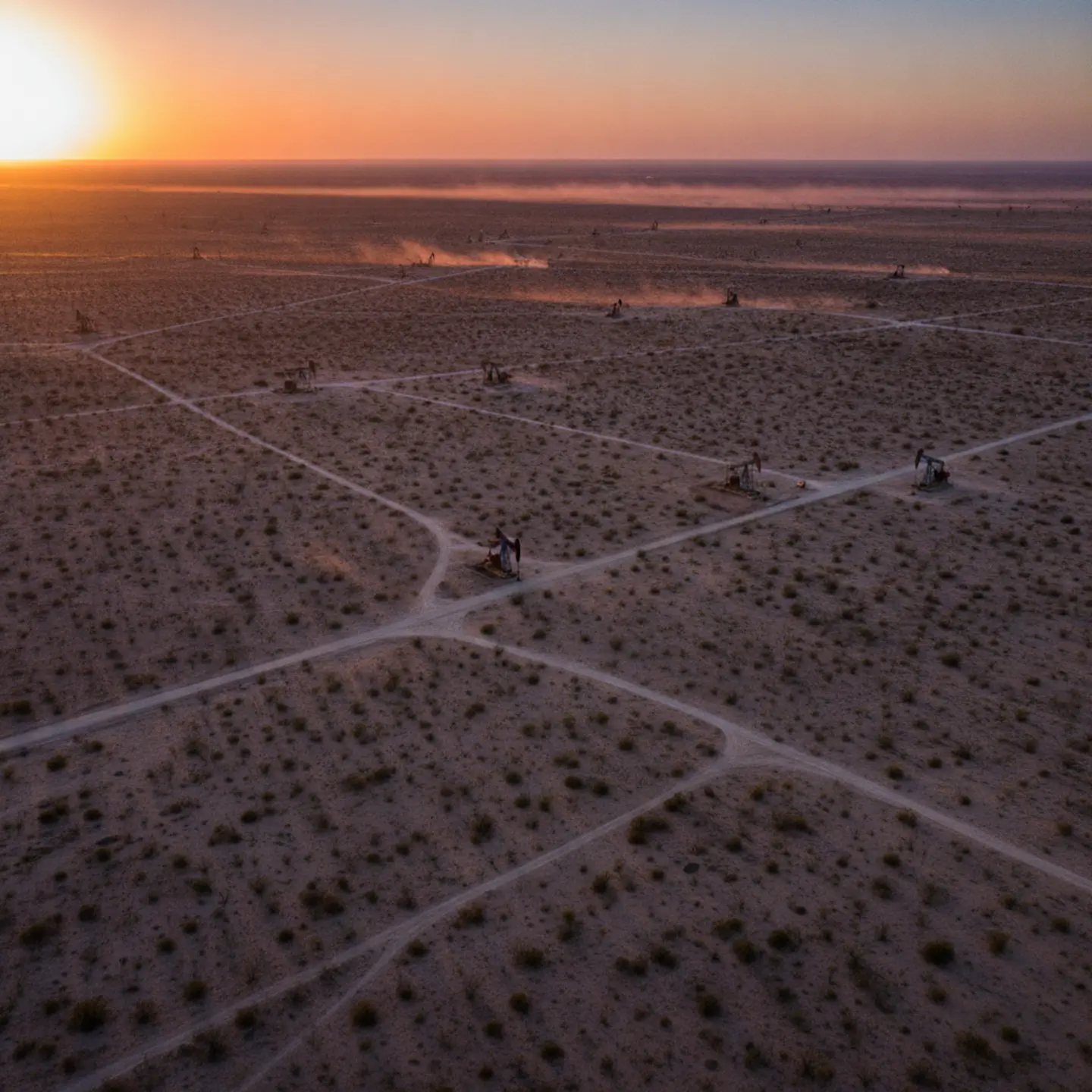
As of mid-2026, the Permian Basin is running 258 active drilling rigs and 35–40 active frac spreads — translating to an estimated 100,000–130,000 tons of weekly sand demand. That volume means heavy commercial traffic on corridors like US-285, TX-302, TX-18, and I-20. Texas DPS Commercial Vehicle Enforcement and FMCSA Region 6 know this. They deploy resources strategically to these oilfield-heavy arteries, making them consistent hotspots for roadside inspections.
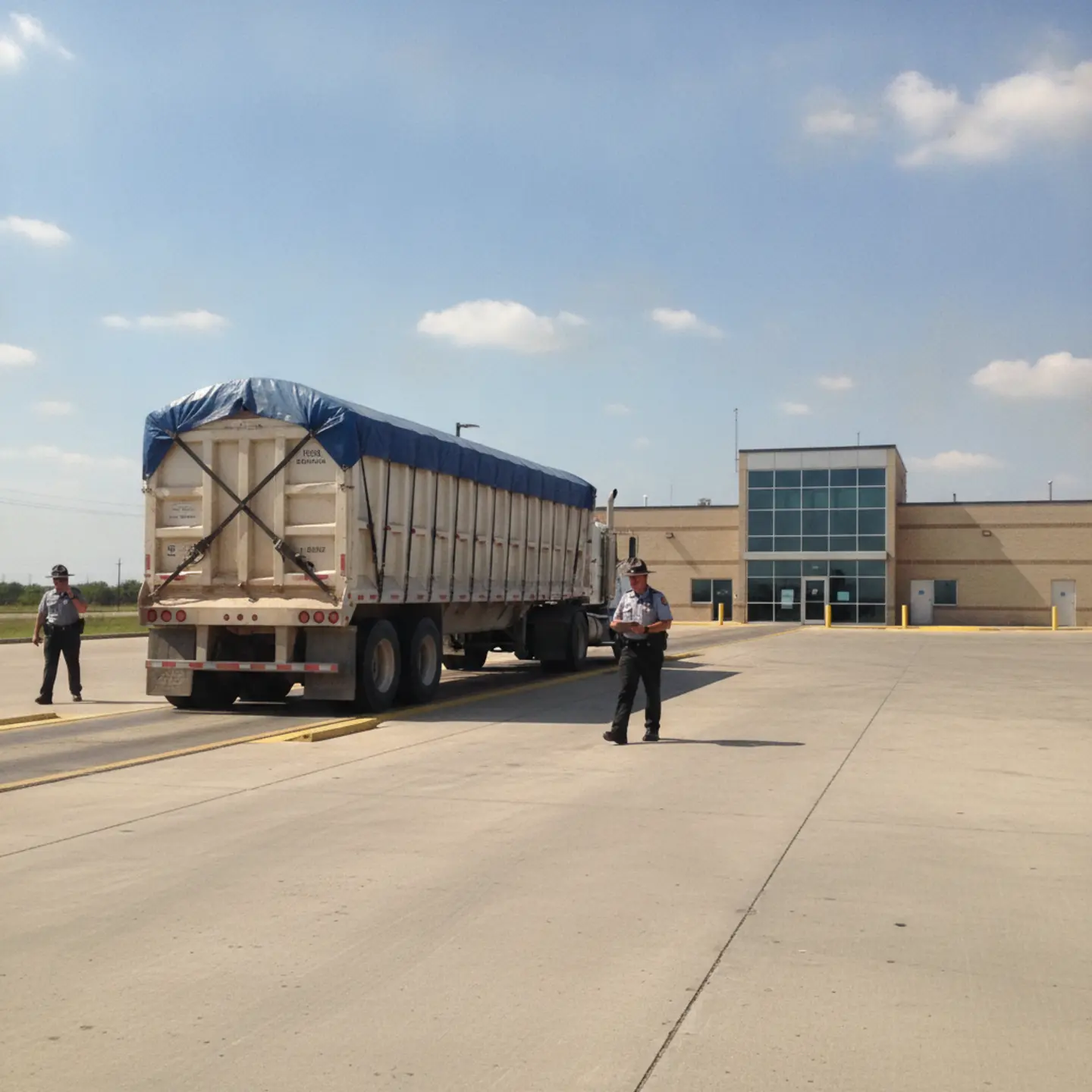
Texas out-of-service rates for vehicles typically hover around 20–25%, with driver OOS rates near 5–7% — comparable to or slightly above national averages, reflecting the sheer volume of commercial traffic in oilfield regions. For frac sand haulers specifically, the most frequently cited violations are Hours of Service mismanagement, weight and axle violations from heavy sand loads, equipment defects (brakes, tires, lights), and silica dust labeling issues.
What makes frac sand hauling uniquely exposed: high-turn short-haul routes mean more inspections per mile. Constant wellsite ingress and egress accelerates equipment wear. Pneumatic tankers and hopper bottoms each carry specific loading, weight distribution, and securement considerations. Before leasing onto any carrier, it’s worth taking five minutes to verify a carrier’s active DOT operating authority and safety rating on the FMCSA SAFER System — a simple check that can save you from inheriting someone else’s compliance problems.
Hours of Service Rules and the Short-Haul Exemption for Frac Sand Drivers
Hours of Service compliance is the single largest driver of out-of-service orders nationally — HOS violations account for 25–35%+ of all driver OOS orders. For frac sand haulers, the rules break down depending on which division you run and whether you qualify for the Short-Haul Exemption.
The Short-Haul Exemption (49 CFR 395.1(e)) is the most important HOS provision for bottom-drop frac sand hauling. To qualify, you must:
- Operate within a 150 air-mile radius of your normal work reporting location
- Return to your work reporting location and be released from duty within 14 consecutive hours
- Not exceed the applicable driving hour limits on qualifying days
- Maintain accurate time records (time in, time out, total hours) for 6 months
If you qualify, you do not need an ELD. That eliminates roughly $200 in upfront hardware costs and $40–$50 per month in subscription fees — adding up to $680–$800 annually that stays in your pocket. Sisu’s WTX and STX Bottom Drop divisions are structured to qualify for this exemption.
Pneumatic divisions operating outside the Short-Haul Exemption — like STX Pneumatics and NTX Pneumatic — require a compliant ELD (Motive) and must adhere to the standard 11-hour driving limit, 14-hour on-duty limit, and 10-hour off-duty break rules.
One more rule worth understanding: the Oilfield Exemption (49 CFR 395.1(d)). It allows drivers to restart their 14-hour clock after 24 consecutive hours off duty — useful for managing waiting time at well sites. But it does NOT exempt you from the 11-hour driving limit or 14-hour on-duty limit. Misreading this exemption as a broader waiver is a common and costly mistake.
If you want to understand how these HOS rules interact with real-world frac sand earnings, the breakdown in owner-operator frac sand hauling real numbers puts it in plain dollars and cents.
Weight, Axle, and Permit Requirements for Frac Sand Loads in Texas
Texas weight law is straightforward on paper and unforgiving on the road. Under Texas Transportation Code Chapter 621, the maximum gross vehicle weight on state highways without a special permit is 80,000 lbs. Per-axle limits are equally strict:
| Axle Configuration | Texas Legal Limit |
|---|---|
| Single Steer Axle | 20,000 lbs |
| Single Drive Axle | 20,000 lbs |
| Tandem Axles | 34,000 lbs |
| Tridem Axles | 42,000 lbs |
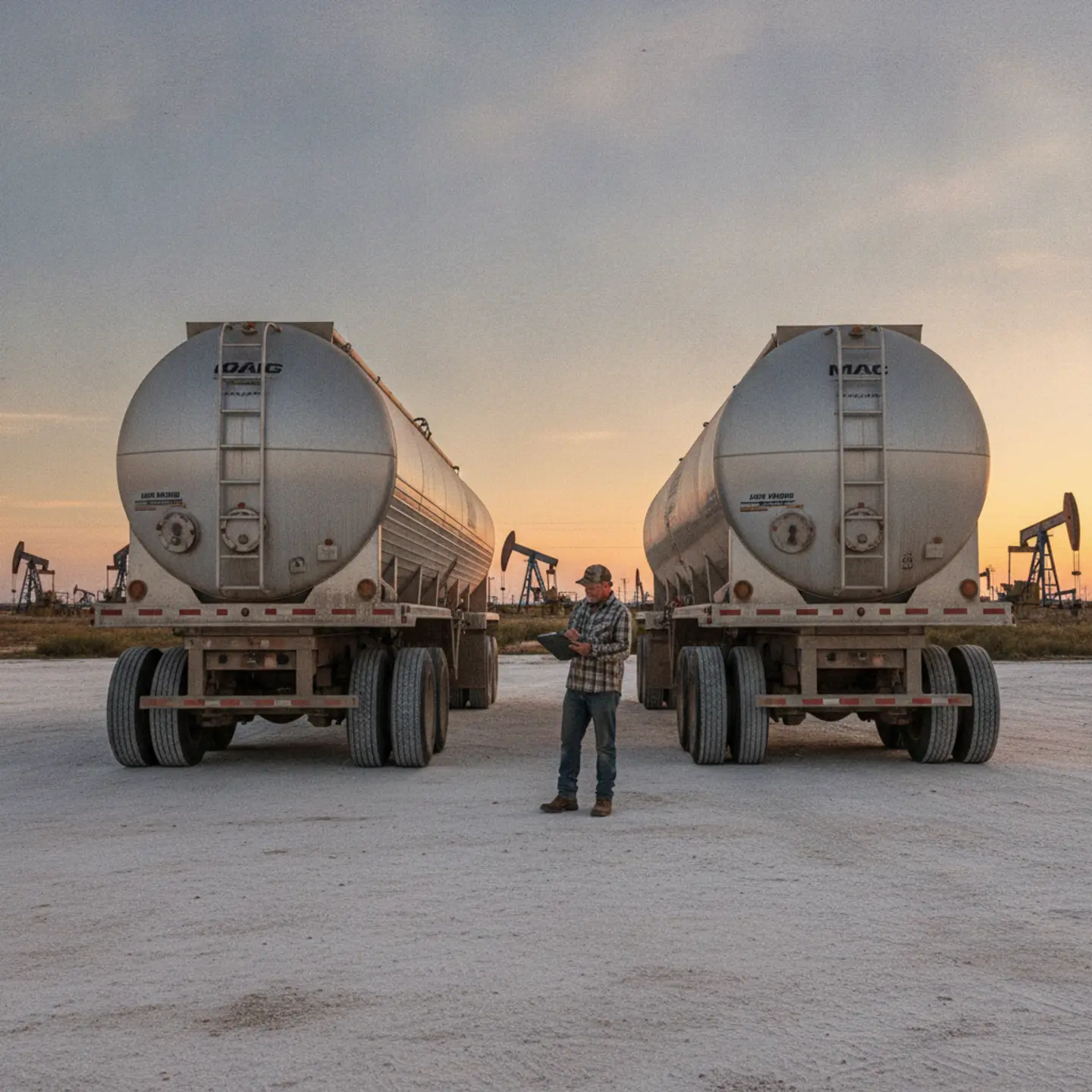
Frac sand loads of 40,000–50,000+ lbs in pneumatic tankers or hopper bottoms routinely push these limits. The trap most drivers fall into: gross weight under 80,000 lbs doesn’t mean you’re legal. Improper load distribution can push individual axle groups over their limits even when total weight looks fine. That’s an overweight citation waiting to happen.
Frac sand loads of 40,000–50,000+ lbs routinely push Texas weight limits. Improper load distribution can trigger overweight citations ($100–$500+ per violation) and OOS orders, costing you $1,000–$2,000+ per day in lost revenue. Always use scales before departing and confirm your carrier procures necessary permits.
Single-trip overweight permits in Texas run $50–$100+ per trip. Annual blanket permits for specific routes range from $500–$1,500+ annually depending on weight allowances and route specifics. Your carrier should be procuring these — if they’re leaving permit logistics entirely to you with no guidance, that’s a red flag worth noting before you sign anything.
Oilfield-Specific Safety Certifications: The Gatekeeping Credentials You Cannot Ignore
Your CDL gets you on the highway. It does not get you onto a wellsite. Major E&P operators and midstream companies across the Permian Basin and Eagle Ford Shale require three specific certifications before any personnel — including truck drivers — can access their locations.
- PEC/Safeland: One-time 7–8 hour course, approximately $200, no expiry date. This is the baseline oilfield safety credential.
- H2S Alive: Annual online training, approximately $20, takes about 45 minutes. Covers hydrogen sulfide gas hazards — a real risk in oilfield environments.
- Respiratory Fit Testing (3M half-mask): Annual, approximately $30–$50. Ensures your respirator properly seals to your face under OSHA’s crystalline silica standard (29 CFR 1910.1053).
OSHA’s silica standard applies directly to frac sand operations. At the wellsite during loading and unloading, drivers must utilize engineering controls where available, wear required respiratory protection, and participate in hazard communication training. These aren’t optional — and operators enforce them at the gate.
Without current certifications, you will be denied wellsite access. That means immediate load refusal — potentially $1,000–$2,000+ in lost daily revenue. The combined annual cost of staying current on all three certifications is under $270. The cost of missing one is far higher. For a deeper look at what your CDL does and doesn’t cover in this industry, the CDL requirements for frac sand hauling guide breaks it down clearly.
The Real Cost of DOT Violations and Out-of-Service Orders for Your Bottom Line
Fines are the visible cost of non-compliance. Lost revenue is the real one. A single OOS order can cost you $1,000–$2,000+ per day in lost income — and that’s before tow fees ($250–$1,000+), repair costs (anywhere from a $10 light bulb to a $2,000 brake job), and reinspection time that can eat half a day in remote oilfield areas.
A week of downtime from a serious violation can cost $5,000–$10,000+ in lost income. Individual violation fines range from $100–$300 for minor equipment defects to $500+ for serious HOS or hazmat infractions. Those fines are typically your responsibility as the Owner-Operator.
Beyond the immediate hit, violations accumulate on your Pre-employment Screening Program (PSP) record — crashes stay for 3 years, inspection violations for 5 years. Carriers check your PSP before you lease on. A score above the 50th percentile triggers review at many carriers; scores above 75–80% often disqualify drivers from preferred loads or lease agreements entirely. Your compliance record is a business asset — or a liability. Treat it accordingly.
There’s also a carrier-level risk most Owner-Operators underestimate: if your carrier’s DOT authority is placed out of service or drops to a Conditional safety rating, all operations under that authority stop. Your clean personal record doesn’t protect you. You’re off the road until you find a new carrier — incurring downtime, administrative costs, and income loss that had nothing to do with your own driving.
How to Evaluate a Carrier’s Compliance Support Before You Lease On
Compliance in frac sand hauling is complex. HOS rules, weight permits, ELD requirements, oilfield certifications, drug and alcohol program enrollment — managing all of it solo while also running loads is a real burden. The right carrier takes the majority of that weight off your plate.
Many Owner-Operators feel overwhelmed by the complexity of HOS rules, weight permits, ELD requirements, and oilfield certifications. You’re not alone — and you don’t have to navigate it solo. A well-run carrier provides the support structure (dispatch assistance, permit help, training access, roadside support) that lets you focus on driving and earning, not compliance paperwork.
A well-run frac sand carrier should provide: drug and alcohol program enrollment, ELD onboarding and ongoing support, permit procurement assistance, safety training access (PEC/Safeland, H2S, fit testing), clear roadside inspection protocols, and 24/7 contact for compliance emergencies. If a carrier expects you to manage all of this independently with zero guidance, that’s not a partnership — that’s a liability.
Use the FMCSA SAFER System online to verify a carrier’s DOT operating authority status and safety rating (Satisfactory, Conditional, or Unsatisfactory). A Conditional or Unsatisfactory rating means higher risk of inspections, violations, and OOS orders — even if your personal record is clean. This 5-minute check can save you thousands in lost revenue and compliance headaches.
Ask every prospective carrier these questions before signing:
- What is your current FMCSA Safety Rating and SMS BASIC percentiles?
- How do you handle IRP, IFTA, and UCR filings and costs?
- Which ELD devices are approved, and what are the hardware and monthly costs?
- Which drug and alcohol testing consortium do you use?
- Do you assist with or cover costs for PEC/Safeland, H2S, and Fit Testing?
- What is your detention time policy and payment rate?
- How are loads dispatched — is there a fair distribution system?
If you’re comparing what different carriers actually offer Owner-Operators, the breakdown in owner-operator vs. company driver frac sand hauling is worth reading before you make any decisions.
Why Sisu Energy LLC Is the Right Choice for Frac Sand Owner-Operators in Texas
Every compliance decision you make as an Owner-Operator is also a business decision. The carrier you choose either amplifies your earning potential or drains it. Sisu Energy LLC is built around one principle: Owner-Operators first — and that shapes everything from how loads are dispatched to how compliance support is structured.
Sisu operates as a 100% Owner-Operator carrier with zero company trucks. There is no internal competition for loads. No company driver getting the best run while you wait. The business model only works when you succeed — which means the incentives are genuinely aligned. With 24/7 live human dispatch and a rotary load distribution system, loads are allocated fairly. No algorithmic favoritism, no dispatch playing favorites.
On the financial side: no escrow holds, weekly Friday direct deposit, and transparent deduction structures. You know exactly what you’re earning and when it hits your account. No surprises, no delayed settlements, no mystery fees buried in your settlement sheet.
Compliance support at Sisu is comprehensive — drug and alcohol program enrollment, ELD onboarding (Motive for pneumatic divisions), permit procurement assistance, safety training access for PEC/Safeland, H2S, and respiratory fit testing, and 24/7 roadside inspection support. When you’re sitting on the side of US-285 at 2 AM with an inspector, you have a real human to call.
Sisu’s multiple divisions across Texas and Pennsylvania/Ohio — STX Pneumatics, STX Hopper Bottom, WTX Hopper Bottom, NTX Pneumatic — give you the flexibility to choose the hauling type, region, and schedule that fits your life. And for bottom-drop divisions, the Short-Haul Exemption eliminates ELD costs entirely, putting an additional $680–$800 annually directly into your take-home.
Join Our Pack and take control of your frac sand hauling business — apply today and find out which division fits your truck, your region, and your goals.
Frequently Asked Questions: DOT Compliance for Frac Sand Hauling
Do I need a Hazmat endorsement to haul frac sand?
No — crystalline silica (frac sand) in bulk form is not typically classified as a placarded hazardous material under federal 49 CFR Part 172 or Texas DPS transportation rules. You do not need an H endorsement to haul it. However, OSHA’s crystalline silica standard (29 CFR 1910.1053) applies at the wellsite during loading and unloading — you must comply with exposure controls, respiratory protection requirements, and hazard communication training. The absence of a Hazmat endorsement requirement does not mean silica dust safety is optional.
How does the Short-Haul Exemption work for bottom drop frac sand hauling?
The Short-Haul Exemption (150 air-mile radius rule, 49 CFR 395.1(e)) allows you to operate without an ELD if you stay within 150 air-miles of your work reporting location, return there within 14 consecutive hours, and meet the applicable driving and on-duty hour limits. You must keep accurate time records (time in, time out, total hours) for six months — but no ELD device is required. For bottom-drop divisions like Sisu’s WTX and STX Hopper Bottom, this exemption eliminates roughly $680–$800 annually in ELD hardware and subscription costs and significantly reduces administrative complexity. Misapplying the exemption — exceeding the radius or failing to keep proper time records — is a common violation that can result in OOS orders.
What certifications do I need for wellsite access beyond my CDL?
You will almost certainly need three oilfield-specific certifications: PEC/Safeland (one-time ~$200, no expiry), H2S Alive training (annual ~$20, about 45 minutes online), and a current Respiratory Fit Test for a 3M half-mask (annual ~$30–$50). These are de facto gatekeeping credentials required by E&P operators and midstream companies across the Permian Basin and Eagle Ford Shale. Without all three current and valid, you will be denied wellsite access — meaning immediate load refusal and potentially $1,000–$2,000+ in lost daily revenue. The combined annual cost to stay current is under $270. There is no cheaper insurance in this business.
What are the most common DOT violations for frac sand haulers in Texas?
The most frequently cited violations in Texas oilfield corridors are Hours of Service mismanagement (even with exemptions, improper record-keeping is common), weight and axle violations from heavy sand loads, and vehicle maintenance defects — especially brakes, tires, and lights — accelerated by harsh conditions on lease roads and wellsite access routes. Equipment defects are particularly prevalent because the constant transition between paved highways and rough off-road surfaces degrades components faster than general freight operations. Out-of-service orders for these violations can cost $1,000–$2,000+ per day in lost revenue before you factor in tow fees and repair costs.
What makes Sisu Energy LLC different from other frac sand carriers?
Sisu is a 100% Owner-Operator carrier with zero company trucks — built entirely around driver economics and success. There’s no internal competition for loads, no algorithmic dispatch, and no hidden fees. Sisu offers 24/7 live human dispatch with a rotary load distribution system, no escrow holds, weekly Friday direct deposit, transparent deductions, and comprehensive compliance support including ELD onboarding (Motive for pneumatic divisions), permit procurement assistance, safety training access, and 24/7 roadside inspection support. Multiple divisions across Texas and PA/OH mean you can choose the hauling type and schedule that fits your life — without leaving the company when your needs change. Apply Today to join a carrier that puts your success first.
Ready to Haul Frac Sand With a Carrier Built Around Your Success?
DOT compliance doesn’t have to be a solo fight. Sisu Energy LLC provides the support structure — permits, ELD onboarding, safety training access, and 24/7 live dispatch — so you can focus on loaded miles and take-home pay. No escrow. No company trucks competing for your loads. Weekly Friday direct deposit.
*Sisu Energy LLC contracts exclusively with independent Owner-Operators. Earnings vary by division, miles, fuel costs, and individual business factors, and no specific income is guaranteed. Programs, lease rates, and requirements are subject to change. Please contact Sisu Energy directly for current opportunities and division details.