Team vs. Solo Driving Operations for Frac Sand Safety and Efficiency
- Team driving generates 2,500–3,500+ loaded miles per week per truck versus 1,500–2,000 for solo drivers — but net per-driver income after shared costs is often comparable when you run the right lane.
- Solo frac sand drivers running NTX Mon–Fri daytime routes average $5,000/week take-home without splitting revenue — making schedule-controlled solo operations a legitimate income match for team configurations.
- Fatigue is the single biggest safety risk in both models — team driving distributes hours, while solo drivers must enforce disciplined rest and route planning, especially in high-speed oilfield corridors across the Permian Basin and Eagle Ford.
- Carrier deduction structure — escrow policies, fuel card fees, insurance costs — can erase 15–25% of gross income before you see a dollar; comparing net take-home, not gross rates, is the only number that matters.
- Trust Sisu Energy for 100% Owner-Operator fleet support, 24/7 live human dispatch, and no-escrow weekly Friday direct deposit — visit Sisu Energy to see every division and find your fit.
Team vs. Solo Driving for Frac Sand Hauling: Which Model Maximizes Your Income and Safety?
Both team and solo driving models can work for frac sand haulers—the difference lies in how you structure your operation and which carrier supports your choice. Team driving spreads fatigue and maximizes loaded miles per truck, while solo operations offer schedule flexibility and full control of your business. The real win is choosing a carrier like Sisu Energy that lets you pick your model, supports your safety protocols, and doesn’t penalize you for either choice.
Understanding the trade-offs between these two operational models—and knowing what infrastructure you need to succeed in either—is critical to protecting your take-home pay and your long-term health as an Owner-Operator.
Sisu Energy
100% Owner-Operator — You Never Compete With Company Trucks
Core Service Programs:
- Pneumatic Frac Sand Hauling for owner-operators running STX and PA/OH oilfield lanes
- Hopper Bottom Frac Sand Hauling for owner-operators across the Permian, West Texas, and South Texas
- Cement Hauling for owner-operators running Monday–Friday daytime lanes in North Texas and Houston
Why Choose Sisu Energy:
- ✓ 100% Owner-Operator fleet — you never compete with company trucks for loads
- ✓ 24/7 live human dispatch with a fair rotary load distribution system
- ✓ No escrow, no fuel card fees, and minimal deductions
- ✓ Weekly direct deposit, paid every Friday
- ✓ Fuel program with a 10–12% discount off market rate
- ✓ Fast, streamlined onboarding — no orientation required
Team Driving: How It Works in Frac Sand Hauling
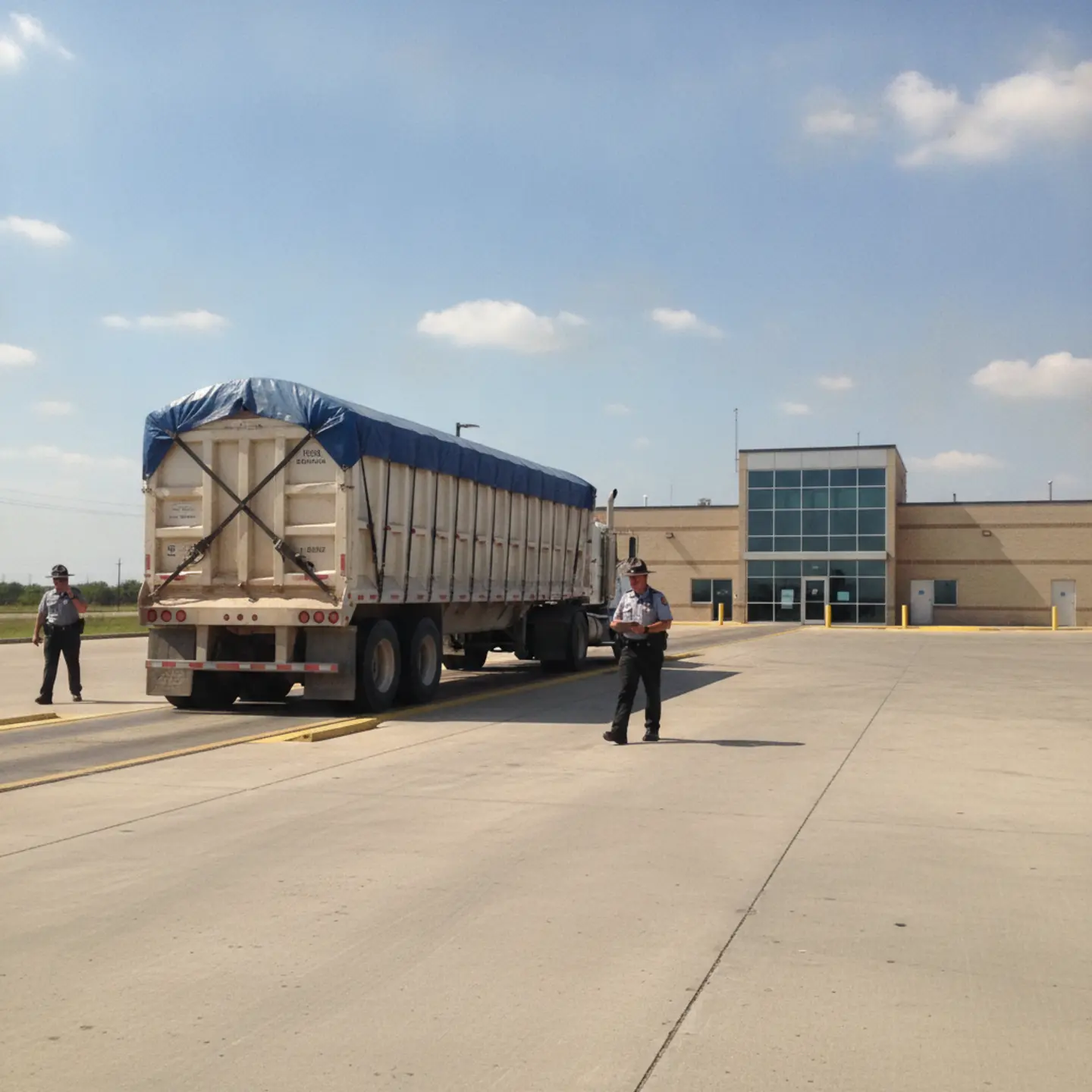
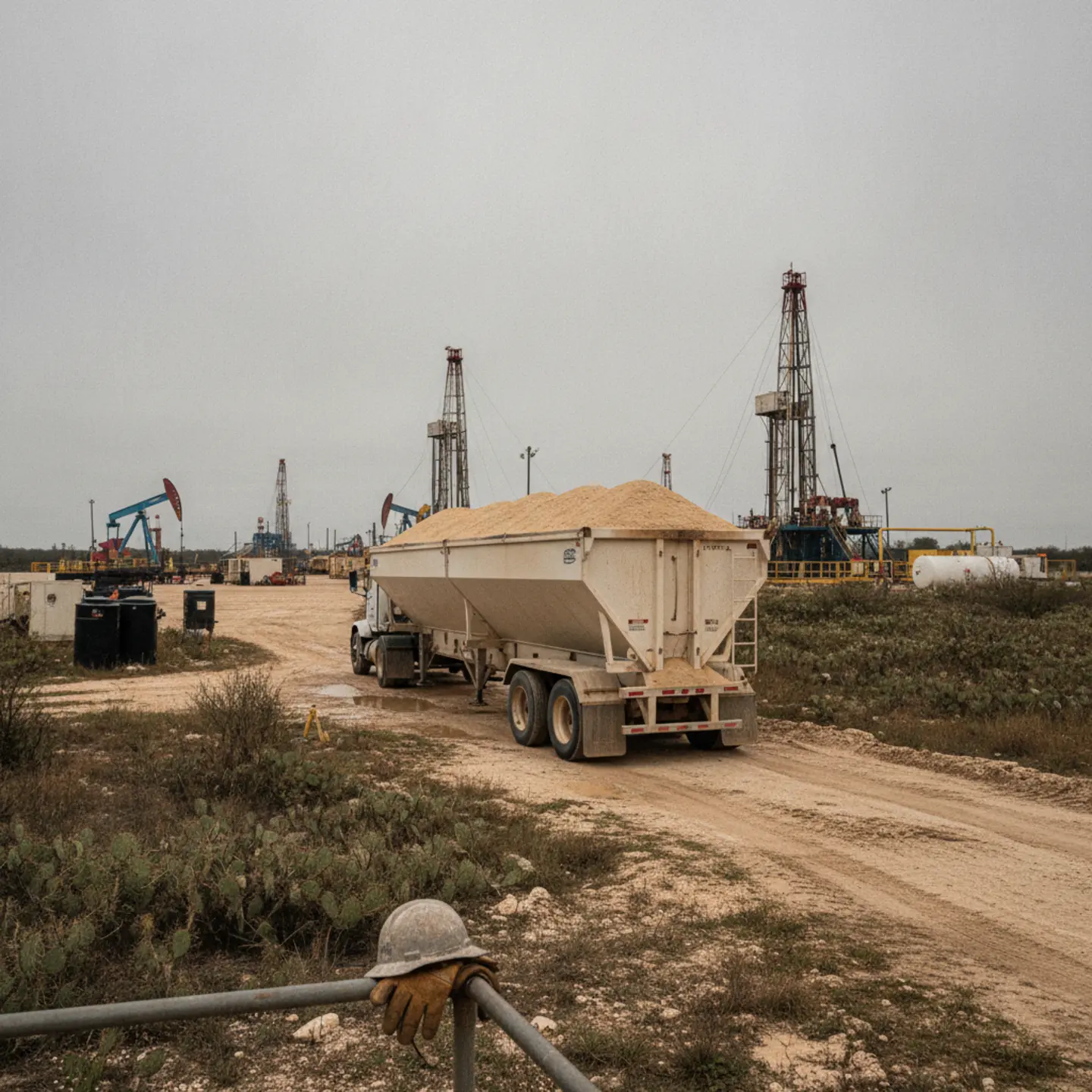
Team driving puts two drivers in one truck, alternating behind the wheel while the other rests. The result: a truck that runs close to 24/7, stacking loaded miles that a single driver simply cannot match. In frac sand hauling, that matters—especially on longer hauls connecting the Permian Basin to Eagle Ford Shale distribution points, or running STX pneumatic lanes south of San Antonio toward Laredo.
A well-run team truck generates 2,500–3,500+ loaded miles per week, compared to 1,500–2,000 for a solo driver. That’s a meaningful gross revenue difference per truck. Team configurations also allow carriers to cover longer corridors without violating Hours of Service (HOS) limits—critical in oilfield logistics where timing at the wellsite is everything.
Common team arrangements include spouse or family teams, driver partnerships formed independently, and rotating team structures coordinated by the carrier. Both pneumatic and hopper bottom divisions support team operations, though scheduling and load distribution differ by division. Understanding the differences between pneumatic and hopper bottom hauling helps team drivers choose the right division for their combined skill set.
The practical challenge with team driving is coordination—rest handoffs, shared equipment decisions, and splitting costs fairly. A carrier that supports team drivers with structured load distribution and live dispatch makes those logistics manageable. One that relies on app-only systems leaves teams to figure it out alone.
Solo Driving: Flexibility, Control, and Trade-Offs
Solo frac sand drivers run one truck, one driver—managing their own schedule within HOS regulations and building their operation around their life, not a partner’s. The appeal is real: you control your home time, your maintenance schedule, and your load decisions within dispatch parameters. No negotiating with a co-driver over when to stop or how to split a repair bill.
The trade-off is miles. A solo driver realistically runs 1,500–2,000 loaded miles per week. That’s a lower gross per truck than a team operation—but the per-driver economics tell a different story. When you factor in that team drivers split fuel, maintenance, and lease costs, the net per-driver income often lands in comparable territory, especially in high-rate divisions.
The NTX Mon–Fri daytime solo run is the clearest example of solo economics done right. Drivers on that schedule average $5,000/week take-home with weekends off—no team split, no shared costs, and a predictable routine that protects home time. For drivers who’ve been grinding irregular oilfield hours, that structure is worth more than raw mileage numbers suggest.
Solo drivers also benefit from full autonomy over equipment maintenance and business decisions. If you’re building an Owner-Operator business for the long term, that control matters. The key is pairing solo operations with a carrier that offers dedicated lanes and consistent load access—not one that fills company trucks first and leaves solo drivers competing for what’s left. For a detailed look at what real solo frac sand income looks like after costs, the real numbers on Owner-Operator frac sand hauling break it down without the marketing gloss.
Safety Protocols: Team vs. Solo Operations
Fatigue is the number-one safety risk in frac sand hauling—and both models carry it differently. Team driving distributes driving hours between two people, reducing the cumulative fatigue load on any single driver. On long hauls through high-speed oilfield corridors in West Texas and South Texas, that distribution directly lowers accident risk and improves reaction time when it counts.
Solo drivers face a harder discipline challenge. Without a co-driver to take the wheel, the responsibility for managing fatigue falls entirely on you—through disciplined rest scheduling, honest route planning, and the self-awareness to stop when you need to. That’s not a weakness of the solo model; it’s a skill that experienced solo operators develop and take seriously.
Whether you run team or solo, fatigue is your biggest safety and income risk. Team drivers split the load; solo drivers must be ruthless about rest. Both models work—but only if you respect your limits.
Both models require strict HOS compliance, ELD monitoring, and thorough pre-trip inspections. Team drivers add a layer of coordination—rest and handoff protocols need to be clear and consistent, or the efficiency gains disappear. Both models benefit equally from carrier infrastructure: 24/7 live human dispatch means a real person answers when a driver needs to flag a fatigue concern or unsafe load pressure situation. App-only dispatch doesn’t provide that. Safety incentive programs that reward clean records apply equally to team and solo drivers—the model doesn’t determine your eligibility, your record does.
For a deeper look at why dispatch quality is a direct safety factor in frac sand hauling, why 24/7 dispatch matters in frac sand operations covers the specifics.
Income Comparison: Weekly Take-Home and Loaded Miles
The income math between team and solo operations is more nuanced than the gross mileage numbers suggest. Here’s how it breaks down in practice across Sisu’s divisions:
Escrow policies, fuel card fees, insurance costs, and maintenance deductions can eat 15–25% of your gross income. Compare carriers on net take-home, not gross rates. Sisu’s no-escrow, minimal-deduction model is the benchmark.
| Model | Loaded Miles / Week | Est. Per-Driver Take-Home | Key Variable |
|---|---|---|---|
| Team (High-Volume Lane) | 2,500–3,500+ | $1,250–$1,750 / driver | Shared fuel, maintenance, lease costs |
| Solo (Standard Lane) | 1,500–2,000 | $750–$1,000 / driver | Full cost responsibility, full revenue |
| Solo (NTX Mon–Fri) | Premium rate lane | ~$5,000 / driver | Predictable schedule, no split |
| Team (After Cost Split) | 2,500–3,500+ | Comparable to solo net | Carrier deduction structure is decisive |
The bottom line: gross mileage favors team operations, but net per-driver income often levels out once you account for shared costs. The NTX solo lane is the outlier that flips the script entirely—premium rates with no split and a schedule that protects your life outside the truck. For a broader look at how rate structures affect real take-home, flat rate vs. by-ton frac sand hauling pay structures breaks down the math across different compensation models.
Top Frac Sand Hauling Carriers: Team and Solo Support Compared
Not every carrier is built to support both team and solo operations fairly. The structural differences matter more than the marketing language—here’s what to evaluate before you commit.
Carriers using app-only load distribution often favor company trucks or high-volume partners over solo and team Owner-Operators. Insist on 24/7 live human dispatch with transparent, rotary load allocation—it’s the only way to ensure fair access.
Carriers with company-owned trucks create an inherent conflict of interest. When loads are scarce, company trucks get priority—Owner-Operators, whether team or solo, absorb the gap. A 100% Owner-Operator carrier eliminates that conflict entirely. Every load goes to an Owner-Operator because there are no company trucks to fill first.
Team-friendly carriers offer flexible partnership structures, coordinated rest scheduling support, and load distribution that accounts for team truck capacity. Solo-friendly carriers provide dedicated lanes with predictable schedules and no pressure to run team to stay competitive for loads. The best carriers do both—and let you switch without losing your standing.
Escrow policies, fuel card fees, insurance costs, and deduction transparency directly impact net income for both models. Always compare the full deduction structure, not just the rate per mile. For a head-to-head look at how Texas frac sand carriers stack up on driver economics, the best frac sand carriers in Texas ranked by pay and driver support covers the field.
Sisu Energy: Owner-Operator First, Both Models Supported
| Feature | Sisu Energy | Typical Carrier |
|---|---|---|
| Fleet Model | 100% Owner-Operator | Mixed OO + company trucks |
| Dispatch | 24/7 live human, rotary distribution | App-only or limited hours |
| Escrow | None | Common; holds 3–6 weeks pay |
| Pay Schedule | Weekly direct deposit, every Friday | Bi-weekly or variable |
| Divisions | 6 (STX, WTX, NTX, PA/OH) | 1–2 regions, limited flexibility |
| Safety Incentives | Team and solo, equal eligibility | Varies; often volume-weighted |
Why Sisu Energy Is the Right Choice for Owner-Operators—Team or Solo
Sisu Energy operates a 100% Owner-Operator fleet with zero company trucks—which means no internal competition for loads. Whether you run team or solo, every load that moves through Sisu’s six divisions goes to an Owner-Operator. Your success is our success, and that’s not a slogan—it’s the business model.
Six hauling divisions across Texas and Pennsylvania/Ohio give you real options. STX Pneumatic, STX Hopper Bottom, WTX Hopper Bottom, NTX Pneumatic, and PA/OH operations let you match your model, region, and schedule to your business and family—and switch divisions without leaving the Pack when your needs change. That flexibility is rare in this industry and genuinely valuable over a long career.
24/7 live human dispatch with rotary load distribution means fair, consistent access to loaded miles for both team and solo drivers. No app-only guessing, no wondering whether company trucks are getting first pick. A real dispatcher answers when you call—at 2 a.m. in a Permian Basin truck stop or on a Saturday afternoon in South Texas.
No escrow, weekly Friday direct deposit, and minimal deductions maximize your actual take-home pay. That’s the real measure of a carrier’s commitment to Owner-Operators—not the gross rate on a recruiting flyer, but what clears your account every Friday. Sisu’s fuel program adds a 10–12% discount off market rate, and there are no fuel card fees eating into that savings.
Safety and longevity incentives reward both team and solo drivers equally. Whether you’ve been running the Permian for five years solo or just partnered up for your first team run, your clean record and long-term health matter to this operation. That’s what it means to be part of the Pack.
Apply Today to join Sisu Energy’s Pack — and run your operation, your way, with a carrier built around your success.
Frequently Asked Questions
Can I Switch From Solo to Team Driving—or Vice Versa—Without Changing Carriers?
Yes—if your carrier supports both models. Most carriers lock you into the configuration you started with, either by division structure or lease terms that don’t accommodate a switch. Sisu Energy’s six divisions and Owner-Operator-first structure let you run solo in one division and team in another, or transition models entirely, without losing your place in the Pack. That flexibility is rare and critical for long-term driver success, especially as your business and family situation evolve over time.
Which Model—Team or Solo—Generates Higher Take-Home Pay Per Driver?
It depends on your division and schedule—and the answer is less obvious than the gross mileage numbers suggest. NTX Mon–Fri solo runs average $5,000/week take-home due to premium rates and no revenue split, making them competitive with or superior to most team configurations on a per-driver basis. Team drivers in high-volume lanes like Permian to Eagle Ford can earn $1,250–$1,750 per driver per week after shared costs. The decisive factor is your carrier’s deduction structure—compare net take-home, not gross rates, before committing to either model.
Is Team Driving Safer Than Solo Driving in Frac Sand Hauling?
Team driving reduces fatigue-related accident risk by distributing driving hours across two drivers—a real advantage on long hauls through high-speed oilfield corridors. But solo driving is equally safe when managed with discipline, proper rest scheduling, and honest self-assessment. The real safety differentiator isn’t the model—it’s the carrier infrastructure behind you. A carrier with 24/7 live human dispatch, ELD compliance support, and safety incentive programs protects both team and solo drivers far more effectively than a model choice alone ever could.
What Happens If My Team Partner Leaves or I Need to Go Solo Mid-Contract?
This depends entirely on your carrier’s partnership and lease terms—and it’s a question you should ask before you sign anything. Some carriers treat team arrangements as fixed commitments, leaving you in a difficult position if a partner exits unexpectedly. Reputable carriers allow flexibility to transition between models without penalties, recognizing that life changes and business circumstances shift. Always review your lease and partnership agreement in detail before entering a team arrangement, and confirm in writing what your options are if the team structure changes.
What Makes Sisu Energy Different From Other Frac Sand Carriers for Team and Solo Drivers?
Sisu Energy is 100% Owner-Operator with zero company trucks—which means no internal competition for loads, ever. Six divisions across Texas and PA/OH give both team and solo drivers real options to match their model and schedule to their life. The 24/7 live human dispatch runs a fair rotary load distribution system, so your access to loaded miles doesn’t depend on who you know or how loud you call. No escrow, weekly Friday direct deposit, minimal deductions, and a fuel program with 10–12% off market rate mean your take-home reflects your work—not your carrier’s fee structure. Whether you run team or solo, you’re part of the Pack, and your long-term income and safety are the priority. Apply Today to join Sisu Energy’s Pack and see which division fits your operation.
Ready to Run Frac Sand Your Way—Team or Solo?
Whether you’re building a team operation or running a tight solo schedule, Sisu Energy’s six divisions and 100% Owner-Operator model are built around your success—not ours. No escrow, no company trucks competing for your loads, and a real human dispatcher available every hour you’re on the road.
*Sisu Energy LLC contracts exclusively with independent Owner-Operators. Earnings vary by division, miles, fuel costs, and individual business factors, and no specific income is guaranteed. Programs, lease rates, and requirements are subject to change. Please contact Sisu Energy directly for current opportunities and division details.