New vs. Used Pneumatic Trailers for Frac Sand: Cost, Reliability & ROI in 2026
- A new pneumatic trailer ($70,000–$100,000) delivers lower maintenance costs, warranty protection, and a 50–65% residual value after five years — the right call if you plan to run frac sand long-term and can secure financing.
- Used pneumatic trailers (3–7 years old) run $45,000–$75,000 and cut upfront costs by 30–40%, but annual maintenance escalates sharply with age — from $1,500–$4,000/year under five years old to $8,000–$15,000+/year past ten years.
- Downtime is the hidden cost that kills profitability: a single week of unexpected repairs on an older trailer can wipe out $5,000–$10,000+ in gross revenue — often exceeding the entire savings from buying cheaper.
- Ownership becomes financially advantageous over renting ($350/week) after 18–24 months for a used trailer and 3–4 years for a new one — but renting builds zero equity and costs $18,200/year with no asset to show for it.
- Trust Sisu Energy for 100% Owner-Operator hauling, 24/7 live human dispatch, and six divisions across Texas and Pennsylvania/Ohio — visit Sisu Energy to explore your options.
New vs. Used Pneumatic Trailers for Frac Sand: Which Is Better for Your Bottom Line?
The answer depends on your capital availability, risk tolerance, and expected tenure in frac sand hauling. A new pneumatic trailer ($70,000–$100,000) offers reliability, warranty protection, and lower maintenance costs—ideal if you can secure financing and plan to run 5+ years. A used pneumatic trailer ($45,000–$75,000 for 3–7 year models) cuts upfront costs by 30–40% but demands rigorous inspection and budgeting for higher maintenance—best for experienced Owner-Operators who can absorb unexpected repairs and downtime.
To make the right choice, you need to understand the true total cost of ownership, current market pricing, financing options, and the real financial impact of downtime—all of which we’ll break down in detail.
Sisu Energy
100% Owner-Operator — You Never Compete With Company Trucks
Core Service Programs:
- Pneumatic Frac Sand Hauling for owner-operators running STX and PA/OH oilfield lanes
- Hopper Bottom Frac Sand Hauling for owner-operators across the Permian, West Texas, and South Texas
- Cement Hauling for owner-operators running Monday–Friday daytime lanes in North Texas and Houston
Why Choose Sisu Energy:
- ✓ 100% Owner-Operator fleet — you never compete with company trucks for loads
- ✓ 24/7 live human dispatch with a fair rotary load distribution system
- ✓ No escrow, no fuel card fees, and minimal deductions
- ✓ Weekly direct deposit, paid every Friday
- ✓ Fuel program with a 10–12% discount off market rate
- ✓ Fast, streamlined onboarding — no orientation required
New Pneumatic Trailers: Pricing, Specs & Total Cost of Ownership
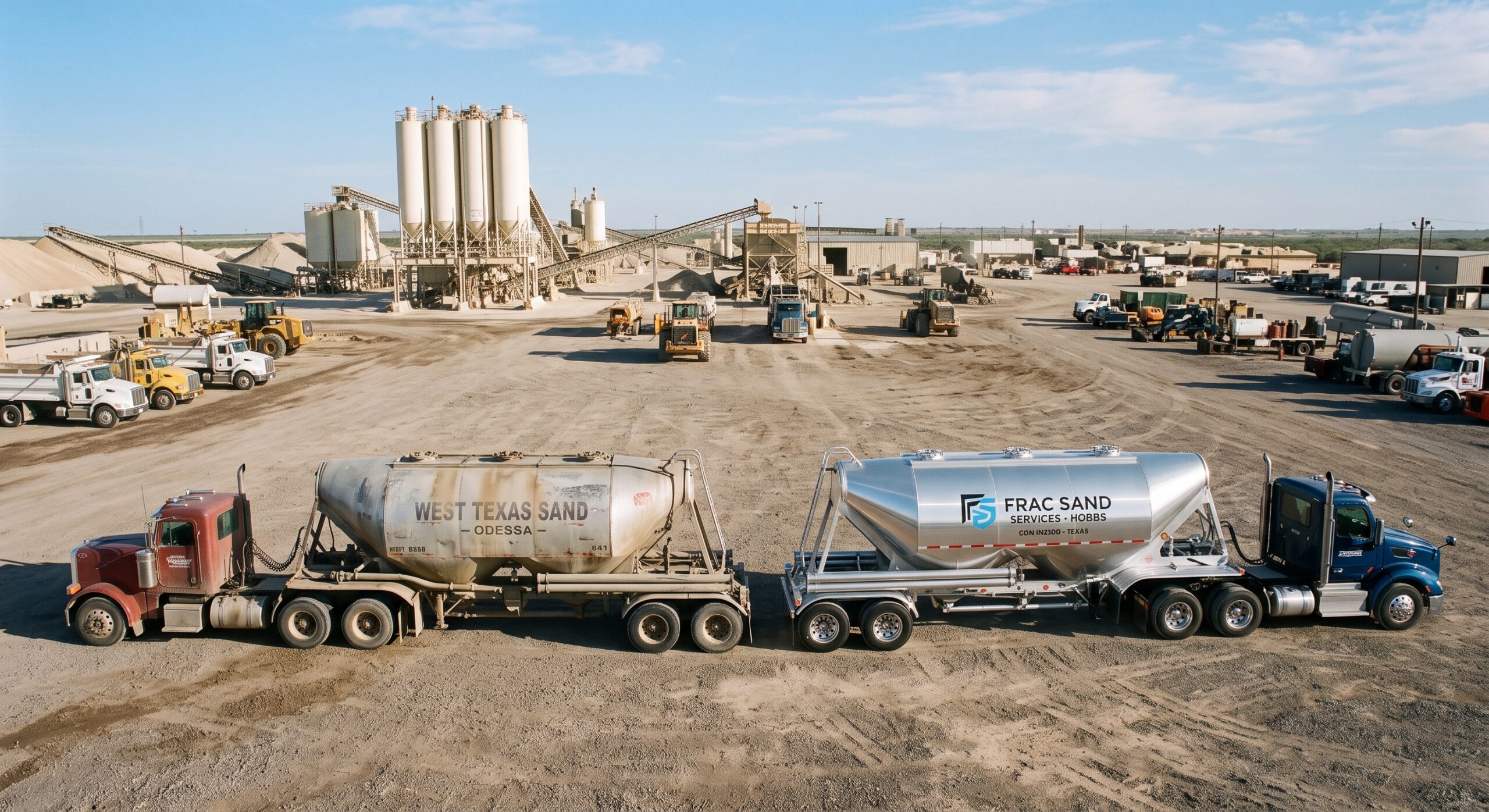
New pneumatic trailers configured for frac sand operations range from $70,000 to $100,000+ depending on construction material, blower type, and capacity. Aluminum trailers command a $5,000–$10,000 premium over steel — that weight savings translates directly into better fuel economy and higher net payload, which matters on every run. If you’re spec’ing a new unit, twin screw blowers add $2,000–$5,000 to the purchase price but deliver faster offloading and higher efficiency, which means more turns per day in a high-demand Permian Basin operation.
One critical planning factor: lead times from major OEMs — MAC Trailer, Heil, Brenner, and Walker — typically run 4–8 months for custom orders. If you need a trailer now, a new build isn’t an option. But if you’re planning 6–12 months out, a new unit with a 5-year structural warranty and lower first-year maintenance is hard to beat for long-term business stability. The Permian Basin’s 267 active rigs (as of August 2026) and 192 active frac spread crews signal sustained demand — a new trailer purchased today should have plenty of work ahead of it.
| Cost Factor | New Trailer (5-Year TCO) | Notes |
|---|---|---|
| Purchase Price | $70,000–$100,000 | Aluminum adds $5K–$10K; twin screw blower adds $2K–$5K |
| Financing Interest (5–7 yr) | $15,000–$35,000 | 8–12% APR (bank); 12–25% APR (equipment finance) |
| Maintenance (Yrs 1–3) | $1,000–$3,000/yr | Primarily preventative; minimal unplanned repairs |
| Maintenance (Yrs 4–5) | $3,000–$8,000/yr | Component wear begins; brakes, tires, suspension |
| Residual Value (Yr 5) | 50–65% of purchase price | Well-maintained units in active Permian market hold value |
| 5-Year Total Cost Range | $85,000–$135,000 | Before residual value offset |
For Owner-Operators who need financing, commercial banks offer the best rates — 8–12% APR on 5–7 year terms — but require 700+ FICO and 15–25% down. Specialized equipment finance companies are more flexible (600+ FICO, 10–20% down) but charge 12–25% APR. If capital is tight right now, Sisu Energy’s WTX Hopper Bottom division offers $350/week trailer rentals — a way to stay in the game while you build reserves toward ownership.
Used Pneumatic Trailers: Market Pricing, Condition Assessment & Hidden Costs
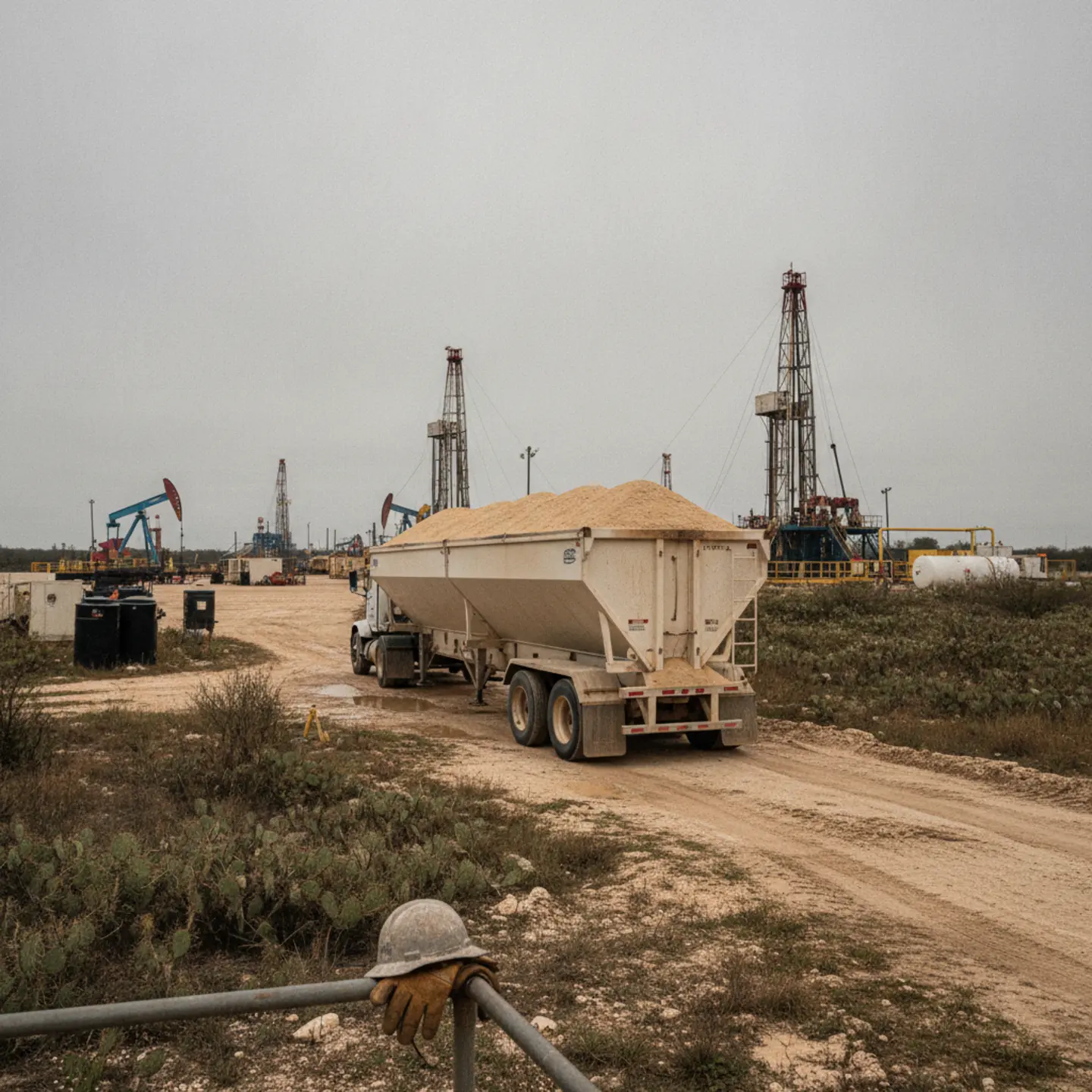
Used pneumatic trailers in the 3–7 year range typically run $45,000–$75,000 in the Texas market. Older units — 8 to 15 years — fall between $25,000 and $45,000, but that lower sticker price comes with a serious caveat: maintenance costs escalate fast, and in frac sand hauling, the wear is brutal. Constant abrasion from sand, rough oilfield lease roads, and frequent loading and unloading cycles accelerate deterioration of tank linings, discharge cones, blowers, and suspension in ways you won’t see in general dry bulk operations.
Condition premiums matter. A used trailer with documented clean cargo history — frac sand only, zero cement residue — commands a higher price and is worth every dollar. A trailer that’s been hauling cement and sand interchangeably without meticulous washout is a liability, not an asset. Before you commit to any used unit, verify the complete cargo history. No documentation means no deal.
Before committing to any used pneumatic trailer, hire an independent diesel mechanic to inspect the blower, air system, brakes, suspension, and tank integrity. This $300–$500 investment can save you from a $10,000+ mistake and is non-negotiable for used equipment purchases.
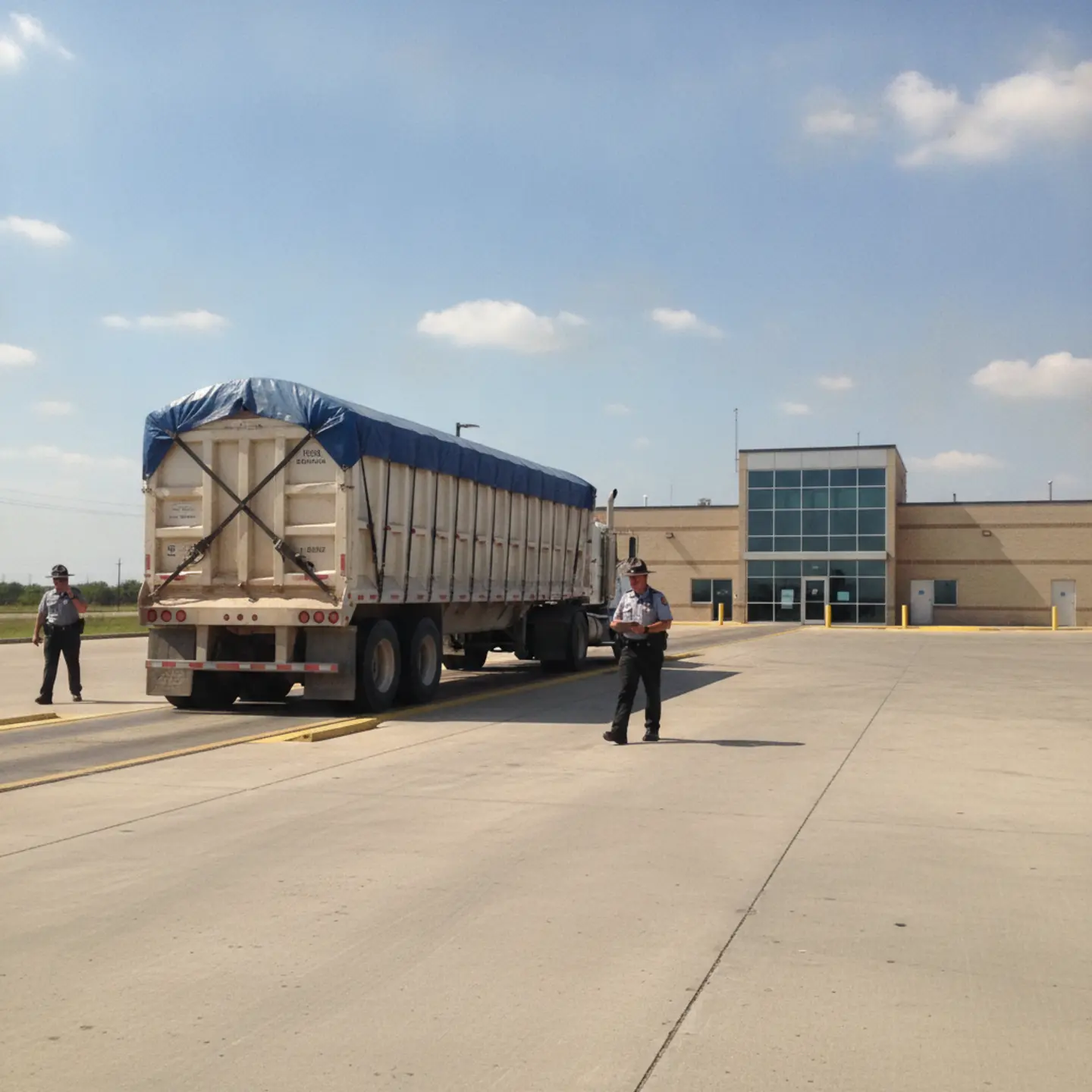
Hauling cement in a trailer intended for frac sand (or vice versa) without meticulous cleaning can result in rejected loads, disposal costs, and deep cleaning expenses of $1,000–$5,000+. Many carriers, including Sisu Energy, strictly require zero residue. Verify the complete cargo history before purchasing any used trailer.
| Trailer Age | Purchase Price Range | Annual Maintenance | Residual Value (5 Yrs) |
|---|---|---|---|
| Under 5 Years | $55,000–$75,000 | $1,500–$4,000/yr | 35–50% of purchase |
| 5–10 Years | $35,000–$60,000 | $4,000–$8,000/yr | 20–35% of purchase |
| 10–15 Years | $25,000–$45,000 | $8,000–$15,000+/yr | 10–25% of purchase |
Where to Find Used Pneumatic Trailers in Texas
Specialized trailer dealers — Texas Trailer Corporation, TrailerCraft, and Southwest Trailer Sales — concentrate their inventory in Dallas/Fort Worth, Houston, and Midland/Odessa. These dealers often perform DOT inspections and basic reconditioning and may offer limited warranties on reconditioned units. Major truck dealerships like Freightliner/Western Star of West Texas, Peterbilt of Odessa/Midland, and Kenworth of Texas frequently have trade-ins worth evaluating. Online auction platforms — IronPlanet, Ritchie Bros., Purple Wave, and EquipmentFacts — typically price 10–25% below dealer retail, but all sales are as-is with higher risk. Truck Paper and Commercial Truck Trader carry active listings from both dealers and private sellers. If you’re comparing trailer types before committing to pneumatic, the breakdown of bottom drop vs. pneumatic trailers for frac sand is worth reviewing first.
Maintenance & Downtime: The Hidden Cost That Kills Profitability
Every Owner-Operator running frac sand in the Permian Basin loses $1,000–$2,000+ in gross revenue per day a trailer is out of service. That’s not a rounding error — that’s your mortgage, your truck payment, your family’s budget. Minor repairs run $500–$2,000 and sideline you 1–2 days. Major component failures — a blower rebuild, a suspension overhaul — cost $5,000–$20,000 installed and can take 3–7 days or more, eliminating $3,000–$14,000+ in revenue in a single event.
The numbers by trailer age tell the real story. New trailers see 1–3 days of unexpected downtime annually. Five-to-ten-year-old trailers average 4–8 days. Trailers over ten years old? Expect 10–20+ days of unplanned downtime per year. DOT out-of-service violations compound this — older trailers carry a 25–50% higher likelihood of violations, and an impounded trailer earns nothing while you’re scrambling to make repairs. Blower systems are the single biggest cost driver: a new blower unit replacement exceeds $10,000–$20,000 installed, and routine blower maintenance is specialized and expensive. If you’re evaluating blower installation costs before buying, the pneumatic blower installation cost breakdown gives you the full picture.
Many Owner-Operators underestimate the financial impact of unexpected downtime. A single week of repairs on an older trailer can wipe out months of savings from a cheaper purchase price. This is why reliability often outweighs upfront cost savings.
Financing Options & Break-Even Analysis: New vs. Used vs. Renting
The financing path you choose shapes your cash flow for years. Commercial banks offer the best rates — 8–12% APR, 5–7 year terms — but the bar is high: 700+ FICO, 15–25% down, and established business history. Specialized equipment finance companies lower the credit threshold to 600+ FICO and accept 10–20% down, but you’ll pay 12–25% APR for that flexibility. Dealer financing is fast and convenient but typically carries the highest rates of the three. For Owner-Operators who are new to the industry or building capital reserves, renting is a legitimate starting point — but it’s not a long-term strategy.
| Timeframe | Renting ($350/wk) | Buying Used ($60K) | Equity Built (Used) |
|---|---|---|---|
| 12 Months | $18,200 (no equity) | ~$27,000 cash outlay | ~$40,000 |
| 36 Months | $54,600 (no equity) | ~$59,000 cash outlay | ~$30,000 |
| Break-Even Point | — | 18–24 months | Ownership wins beyond this point |
Renting at $350/week costs $18,200 per year — and every dollar of that builds zero equity. Buying a $60,000 used trailer means roughly $27,000 in cash outlay in year one, but you’re building a business asset. After 36 months, a renter has spent $54,600 and owns nothing. An owner has spent a similar amount and holds an asset worth $30,000+. The math is clear: if you plan to stay in frac sand hauling beyond two years, ownership is the better financial position. For a deeper look at whether frac sand hauling makes financial sense overall, the frac sand hauling ROI breakdown for 2026 runs the full numbers.
Top Pneumatic Trailer Providers & Equipment Comparison: Permian Basin Market
New Pneumatic Trailer OEMs
MAC Trailer dominates the frac sand market with durable aluminum pneumatic trailers, specialized oilfield packages, and 5-year structural warranties — expect 4–8 month lead times for custom orders. Heil Trailer International is well-regarded for engineering quality, offering both aluminum and steel options with enhanced wear plates and optimized discharge systems built specifically for frac sand. Brenner Tank Trailers and Walker Transport round out the primary options, with strong Texas and Permian Basin dealer networks. Tremcar and Polar Tank Trailer offer additional lines for Owner-Operators with specific capacity or configuration requirements.
Used Pneumatic Trailer Dealers & Auction Platforms
Specialized dealers — Texas Trailer Corporation, TrailerCraft, Southwest Trailer Sales — carry concentrated inventory in Dallas/Fort Worth, Houston, and Midland/Odessa, and typically perform DOT inspections and basic reconditioning. Major truck dealerships (Freightliner/Western Star of West Texas, Peterbilt of Odessa/Midland, Kenworth of Texas) offer trade-in inventory with established service networks and financing options. Online auction platforms — IronPlanet, Ritchie Bros., Purple Wave, EquipmentFacts — price 10–25% below dealer retail but carry higher risk on as-is sales. Equipment in good condition moves fast; units with unclear histories sit longer and sell at steep discounts.
Rental & Lease Providers
For Owner-Operators who aren’t ready to commit capital to ownership, rental is a real option. Regional rental yards and oilfield equipment companies charge $75–$150+/day or $300–$500+/week, with maintenance responsibility varying by contract. Herc Rentals and United Rentals have Permian Basin presence with a mix of newer and mid-aged equipment. Sisu Energy’s WTX Hopper Bottom division offers $350/week trailer rentals with daily options available — no maintenance responsibility, no capital outlay, and the flexibility to run while you build your business. It’s the right bridge for Owner-Operators testing the Permian market before committing to a purchase.
| Option | Cost Range | Equity Built | Best For |
|---|---|---|---|
| New OEM | $70K–$100K+ | High (50–65% after 5 yrs) | Long-term operators, strong credit |
| Used (3–7 Yrs) | $45K–$75K | Moderate (20–40% after 5 yrs) | Experienced O-Os, capital-constrained |
| Used (8–15 Yrs) | $25K–$45K | Low (10–25% after 5 yrs) | High-risk; maintenance costs often offset savings |
| Rental (Sisu WTX) | $350/wk ($18,200/yr) | None | New entrants, short-term ops, capital building |
Why Sisu Energy Is the Right Choice for Permian Basin Owner-Operators
Whatever equipment decision you make — new trailer, used unit, or weekly rental — your carrier partner determines how much of that equipment’s earning potential you actually capture. Sisu Energy is built 100% Owner-Operator-first with zero company trucks. That means no internal competition for loads, no escrow holds draining your cash flow, and weekly Friday direct deposit so you always know where you stand. With 267 active rigs and 192 frac spread crews running in the Permian Basin as of mid-2026, consistent, high-quality loads are available — and Sisu’s 24/7 live human dispatch with rotary load distribution makes sure you get your fair share of them, not an app algorithm.
Sisu runs six hauling divisions across Texas and Pennsylvania/Ohio — all-pneumatic in South Texas and PA/OH, hopper bottom in West Texas and South Texas, cement in North Texas. If you own a pneumatic trailer, you can run Sisu’s STX or PA/OH pneumatic divisions and earn the $20–$25/ton premium that pneumatic work commands over hopper bottom. If you’re not ready to buy, the WTX Hopper Bottom division’s $350/week rental eliminates the capital burden while you build your business. And if your situation changes — you want to switch regions, switch equipment types, or change your schedule — you can do it within the Pack without starting over at a new carrier. Fuel cards with no fees, low-cost insurance, IRP plate program support, and minimal deductions mean more of your gross revenue stays in your pocket where it belongs. For a full look at real Owner-Operator earnings in frac sand, the real numbers behind Owner-Operator frac sand hauling breaks it down without the marketing spin.
Apply Today to join Sisu’s Pack — take control of your future.
Frequently Asked Questions
How much more money can I really make with a pneumatic trailer compared to a hopper bottom in frac sand?
Pneumatic trailers for frac sand typically command a premium of $20–$25 per ton or $500–$625 per load over hopper bottom trailers, based on a typical 25-ton load. This premium reflects the specialized equipment and faster offloading capabilities required at the well site. Over a full year of consistent work, that differential can translate to $50,000–$100,000+ in additional gross revenue — making the pneumatic a significantly more lucrative option for Owner-Operators who can handle the operational demands of oilfield work.
Is it truly cheaper to rent a pneumatic trailer at $350/week than to buy one in the long run?
Renting at $350/week ($18,200/year) offers flexibility and eliminates major maintenance costs and depreciation risk, but ownership generally becomes financially cheaper after 18–24 months. Renting builds zero equity — every dollar spent is gone. Owning a trailer, even a used one, lets you build a business asset, capitalize on resale value, and take advantage of tax deductions like depreciation and interest. For Owner-Operators planning to stay in frac sand hauling beyond two years, ownership typically delivers better long-term ROI and puts you in a stronger financial position over time.
What are the biggest red flags to look for when buying a used pneumatic trailer?
Key red flags include a lack of maintenance records, vague answers about the trailer’s previous cargo — especially any history of cement hauling if you’re buying for frac sand — visible structural cracks or excessive corrosion on the tank or frame, worn-out blower components, non-functioning gauges, and any refusal from the seller to allow an independent mechanical inspection. These warning signs often indicate hidden costly repairs or operational issues that could cost thousands in unexpected downtime. A $300–$500 independent inspection is non-negotiable before signing anything on a used unit.
How much downtime should I expect with a used pneumatic trailer, and how will it impact my earnings?
Downtime expectations vary significantly with age and maintenance history. Units 5–10 years old might experience 4–8 days of unexpected downtime annually for repairs beyond routine maintenance, while trailers over 10 years old could see 10–20+ days. Each day out of service means a loss of $1,000–$2,000+ in gross revenue — a single week of downtime can quickly negate months of savings from a cheaper purchase price. Reliability isn’t a luxury in this business; it’s the foundation of your income stability.
Why should I choose Sisu Energy over other frac sand carriers?
Sisu Energy is built 100% Owner-Operator-first with zero company trucks competing for your loads. You get 24/7 live human dispatch — not an app — weekly Friday direct deposit with no escrow holds, and the flexibility to choose between owning, leasing, or renting a trailer at $350/week through our WTX division. With six hauling divisions across Texas and Pennsylvania/Ohio, you can move between pneumatic and hopper bottom work without leaving the Pack. Transparent pay, minimal deductions, fuel cards with no fees, and a culture that treats your business like it matters — because it does. Your success is our success. Apply Today to join Sisu’s Pack and take control of your future.
Ready to Put Your Pneumatic Trailer to Work in the Permian Basin?
You’ve done the math on new vs. used — now put that equipment to work with a carrier that’s actually built around your success. Sisu Energy runs 100% Owner-Operator, pays weekly every Friday, and gives you 24/7 live human dispatch with no company trucks competing for your loads. Whether you own your trailer or need to rent one at $350/week while you build, there’s a division built for where you are right now.
*Sisu Energy LLC contracts exclusively with independent Owner-Operators. Earnings vary by division, miles, fuel costs, and individual business factors, and no specific income is guaranteed. Programs, lease rates, and requirements are subject to change. Please contact Sisu Energy directly for current opportunities and division details.