Top 5 Reasons Drivers Don’t Make It In The Oil Field
- Fixed weekly costs alone — truck payment, trailer rental, insurance, and maintenance — total approximately $1,879/week before fuel, and new Owner-Operators start two weeks in the hole before their first paycheck arrives.
- Safety certifications including PEC/Safeland, H2S, and the OSHA Respiratory Fit Test are mandatory before your first load — drivers who show up without them are denied well pad access and lose income immediately.
- Unpaid detention at wellsites costs drivers an estimated $17,000+ per year in lost income — a financial drain most new drivers never see coming until it’s already hitting their take-home.
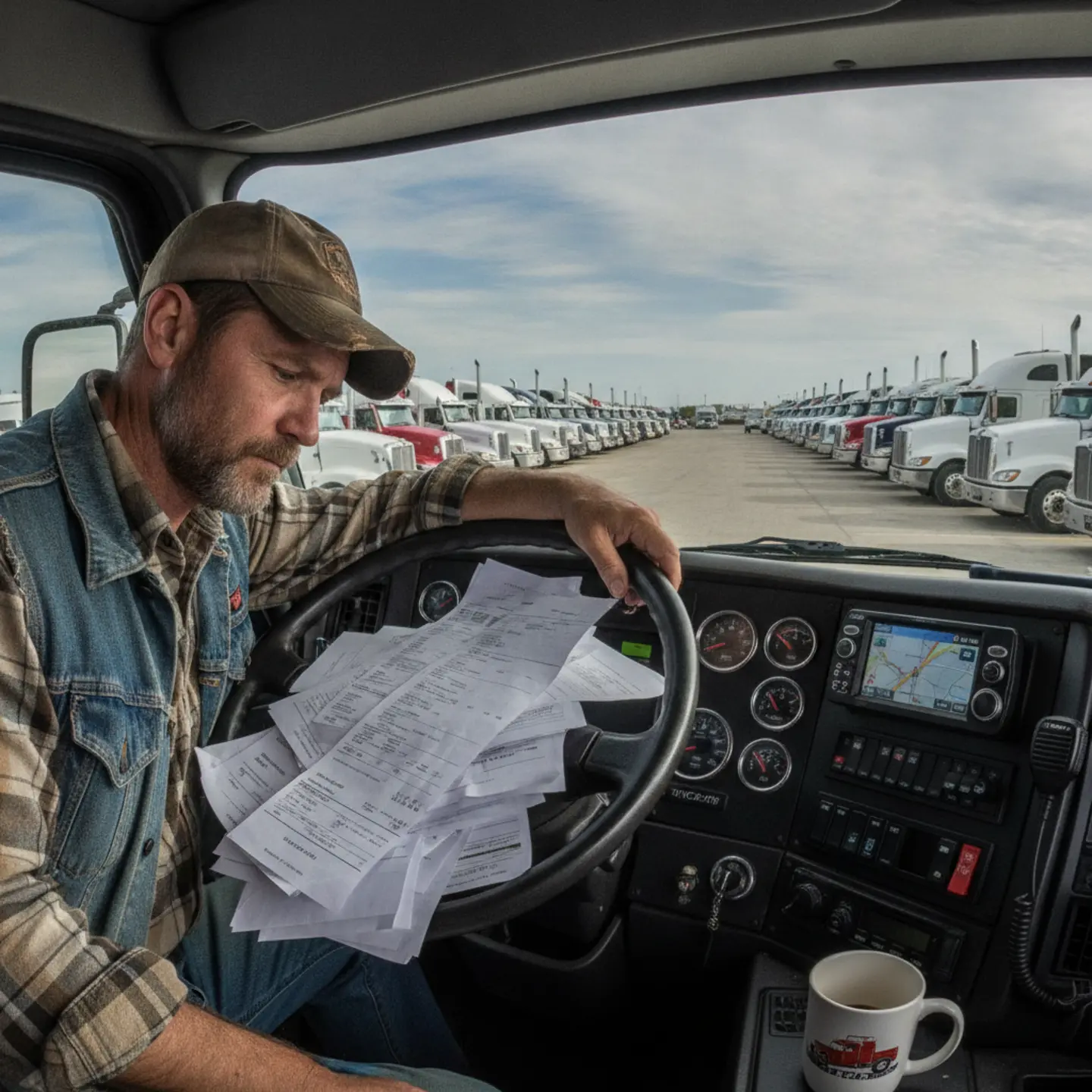
- Predatory lease-to-purchase programs, hidden escrow holds, and carriers without rotary dispatch are among the most common reasons experienced drivers wash out — carrier selection is as important as driving skill.
- Trust Sisu Energy for 100% Owner-Operator-first operations, 24/7 live human dispatch, no escrow, and a fuel program that protects your bottom line — built by and for the drivers who run The Pack.
Why Do Most Oilfield Truck Drivers Fail in Their First Year?
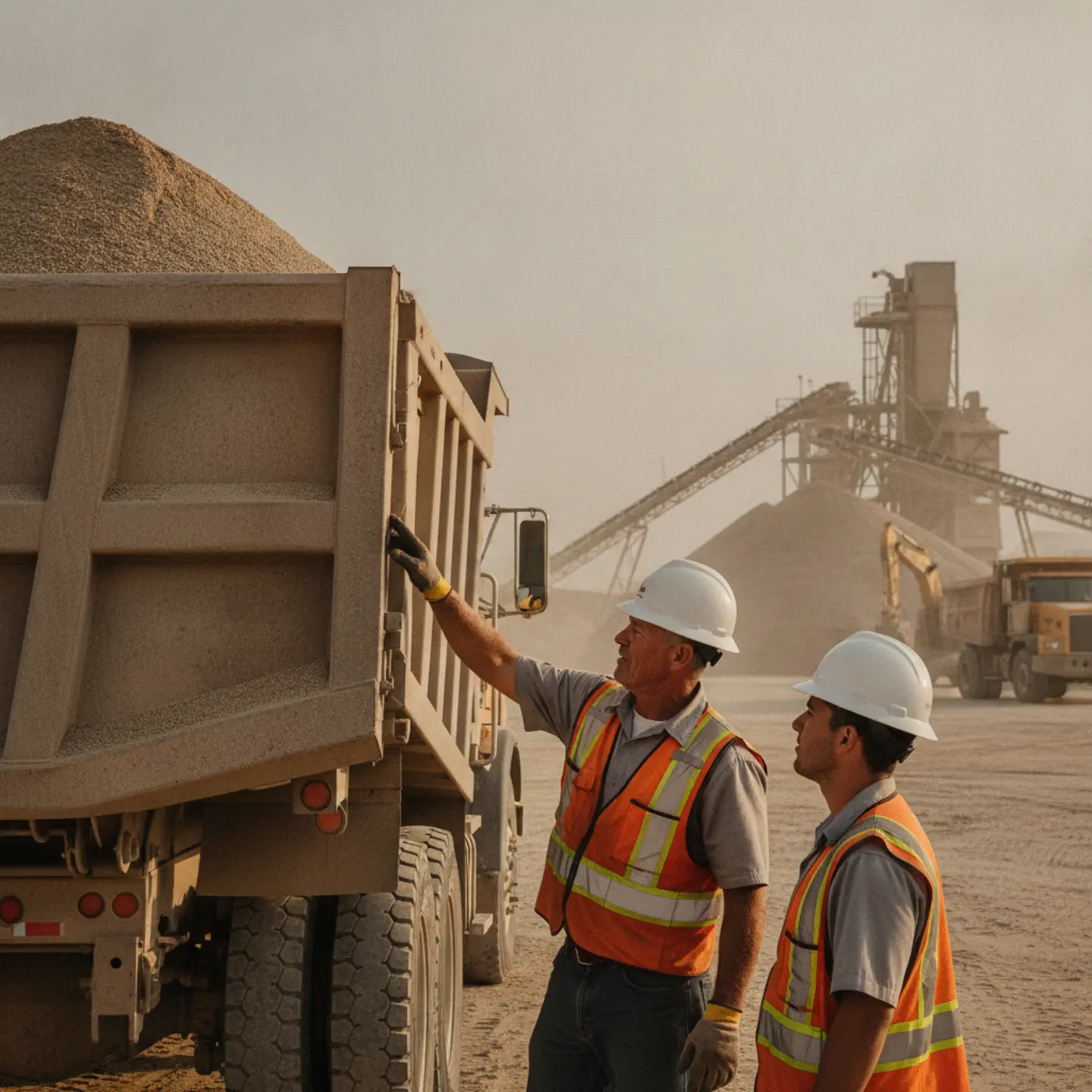
Most oilfield drivers don’t fail because they lack grit — they fail because they underestimate the true cost of entry, misunderstand the regulatory landscape, and aren’t prepared for the physical and financial demands of the job. The oilfield promises high gross pay, but without a clear-eyed understanding of fixed costs, variable expenses, and the lifestyle toll, even experienced truckers wash out within 90 days. Success in frac sand hauling requires more than determination — it demands financial discipline, regulatory compliance, and realistic expectations about what the work actually entails.
Here are the five reasons drivers don’t make it in the oilfield, and what separates those who do from those who don’t.
Sisu Energy
100% Owner-Operator — You Never Compete With Company Trucks
Core Service Programs:
- Pneumatic Frac Sand Hauling for owner-operators running STX and PA/OH oilfield lanes
- Hopper Bottom Frac Sand Hauling for owner-operators across the Permian, West Texas, and South Texas
- Cement Hauling for owner-operators running Monday–Friday daytime lanes in North Texas and Houston
Why Choose Sisu Energy:
- ✓ 100% Owner-Operator fleet — you never compete with company trucks for loads
- ✓ 24/7 live human dispatch with a fair rotary load distribution system
- ✓ No escrow, no fuel card fees, and minimal deductions
- ✓ Weekly direct deposit, paid every Friday
- ✓ Fuel program with a 10–12% discount off market rate
- ✓ Fast, streamlined onboarding — no orientation required
1. Underestimating the True Cost of Entry and Weekly Operating Expenses
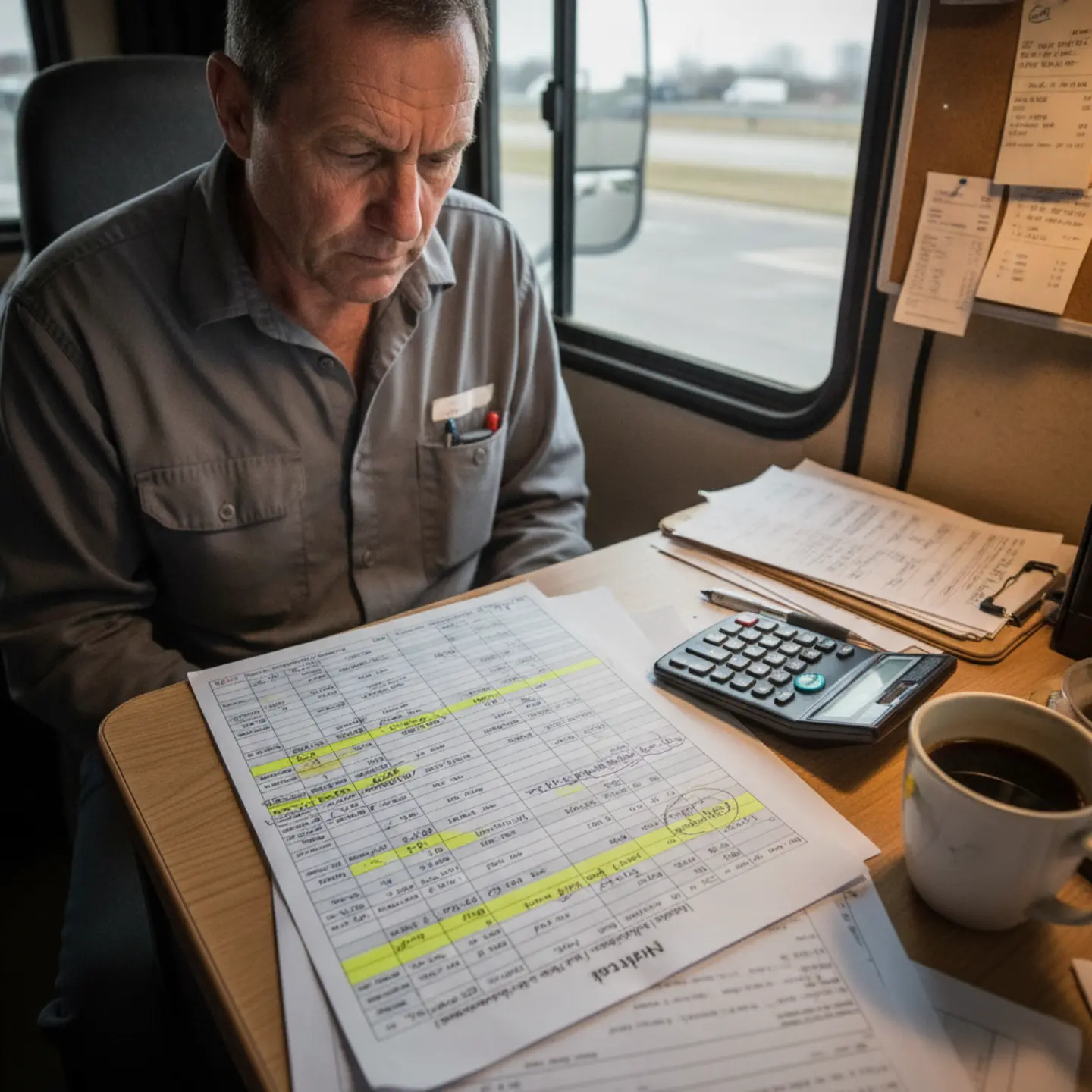
The gross revenue numbers in oilfield hauling are real — and they pull drivers in fast. Permian Basin Owner-Operators running 17–22 loads per week can gross $8,000–$11,000 per week. What the recruiting ads don’t show is what happens after expenses take their cut. For most new drivers, the gap between gross and net is a gut punch they weren’t ready for.
If you’re considering oilfield hauling and feeling overwhelmed by the financial and regulatory complexity, that’s a sign you’re thinking clearly. Most drivers who fail don’t lack grit — they lack preparation. Understanding these five challenges upfront puts you ahead of the majority.
The Weekly Cost Stack That Surprises New Drivers
Before you turn a single wheel, your fixed weekly costs are already running. Here’s what the stack looks like for a typical Permian Basin Owner-Operator:
- Truck payment (financed): $600/week
- Trailer rental: $350/week
- Insurance (liability, occupational, cargo): $279/week
- Maintenance reserves: $200–$250/week
- Motive app and miscellaneous: $160/week
- Total fixed costs: ~$1,879/week — before a single gallon of diesel
Why Gross Revenue Misleads New Drivers
At current Gulf Coast diesel prices of $4.415/gallon (as of June 2026), a driver consuming 1,000–1,500 gallons weekly faces $4,400–$6,600 in fuel costs alone. Stack that on top of fixed costs and your $10,000 gross week suddenly nets $2,900–$5,900 take-home — on a good week. A 10–12% fuel discount from a quality carrier program saves $5,000–$15,000 annually — not a small number when margins are already tight.
Then there’s the cash flow timing problem. New Owner-Operators start two weeks in the hole — fixed costs are due before the first paycheck clears. Certification and onboarding costs ($400–$420 for PEC, H2S, Respiratory Fit Test, drug screen, MVR, PSP, and Clearinghouse query) come out of your pocket before load one. Drivers who don’t have reserves to cover that gap are already in trouble before they haul a single ton of sand. For a deeper look at how the real numbers shake out week to week, the real numbers behind frac sand hauling break it down without the marketing spin.
2. Failing to Understand Regulatory Requirements and Safety Certifications
The oilfield has a hard gate — and it’s not your CDL. Drivers who show up to an active well pad without the right certifications are turned away on the spot. No exceptions, no grace period. That means no load, no pay, and a very expensive lesson learned the hard way.
A single drug or alcohol violation in the FMCSA Clearinghouse can permanently disqualify you from safety-critical oilfield work with carriers that don’t participate in SAP programs. This isn’t a second-chance industry — it’s a zero-tolerance environment. Understand the stakes before you start.
Mandatory Certifications Before Your First Paycheck
Here’s what you need before you can legally and safely access an active Permian Basin well pad:
- PEC Basic Orientation (Safeland): ~$200 — no expiry, mandatory for well pad entry
- H2S certification: ~$20 — annual renewal, required in Permian Basin operations due to hydrogen sulfide exposure risk
- 3M Half Mask Respiratory Fit Test: ~$30–$50 — annual, required under OSHA’s Respirable Crystalline Silica Standard (29 CFR 1910.1053) for drivers handling dry bulk frac sand
- Drug screen, MVR, PSP, Clearinghouse query: ~$150 combined
- Total initial spend: $400–$420 before your first load
Beyond certifications, your Class A CDL with Tanker (N) endorsement is the baseline. A HazMat (H) endorsement expands your options. Hours of Service compliance — and knowing where the Short-Haul Exemption applies versus where ELDs are required — determines whether you stay on the road or get parked by enforcement. West Texas oilfield corridors see active Texas DPS and FMCSA enforcement. A single serious inspection can crater your CSA score and close doors with safety-focused carriers. For a full breakdown of what PPE you need on site, the PPE requirements for oilfield Owner-Operators covers every item in detail.
The Clearinghouse and SAP Program Reality
A Clearinghouse violation — failed drug test or refusal — immediately prohibits CDL operation. Many oilfield carriers operating in safety-critical environments do not participate in the Substance Abuse Professional (SAP) return-to-duty program. That means a single violation can permanently disqualify you from oilfield work with those carriers, even after completing SAP. This isn’t a technicality — it’s a career-ending reality for drivers who don’t take it seriously before they start.
3. Not Accounting for Unpaid Idle Time and Detention Without Compensation
You’re sitting at a wellsite. You’ve been waiting two hours. The clock is running — but your pay isn’t. This is one of the most consistent financial drains in oilfield hauling, and it’s one that new drivers almost universally underestimate until they see it on their settlement statement.
The True Cost of Detention and Idle Time
Nearly half of frac sand haulers experience significant unpaid detention time at wellsites. The estimated annual income loss from unpaid detention exceeds $17,000 per driver — roughly $375 per week in lost revenue at fair detention rates. Industry standard detention pay is $75–$100/hour after 1–2 hours of free time, but many drivers never negotiate it, never enforce it, and never see a dime for hours spent sitting in the staging area. That’s money that should be in your pocket.
Carriers that use rotary dispatch and enforce transparent detention pay policies protect driver income in ways that matter at the end of the week. New drivers often accept unpaid detention without realizing the cumulative annual impact — until they run the math and realize they’ve left five figures on the table. Understanding how load rates and turns affect frac sand hauling income helps you see exactly where idle time is eating your profitability.
Equipment Wear and Unexpected Maintenance Costs
Rough Permian Basin lease roads are not kind to equipment. Suspension and tire wear accelerate rapidly on oilfield access roads in ways that conventional freight lanes simply don’t produce. A single blower failure can cost $2,000–$5,000 and sideline you for days — days with zero revenue and full fixed costs still running. The maintenance reserve of $200–$250/week that looks reasonable on paper often isn’t enough to cover the actual wear rate. Unexpected downtime is one of the fastest ways a new driver goes from profitable to underwater.
4. Choosing the Wrong Carrier or Falling for Predatory Lease-to-Purchase Programs
Your carrier partner is one of the most consequential decisions you’ll make as an Owner-Operator. The wrong carrier doesn’t just cost you money — it can end your oilfield career before it starts. Predatory operators know exactly how to make a bad deal look attractive to a driver who’s eager to get moving.
Before signing with any carrier, ask about rotary dispatch, detention pay policies, escrow practices, and fuel discounts. Check Reddit forums and TruckersReport for real driver feedback. A carrier that prioritizes your profitability will be transparent about these details. If they’re evasive, move on.
Red Flags in Carrier Agreements
Experienced drivers vet carriers through referral networks, Reddit, and TruckersReport before signing anything. Here’s what they’re watching for:
- Escrow holds that lock up a portion of your earnings with unclear release terms
- Vague or missing detention pay policies — evasive answers about how loads are distributed
- Pressure to sign quickly or discouragement of questions about contract terms
- Unusually high gross pay promises without a clear breakdown of expenses and deductions
- Lease-to-purchase programs with high payments, restrictive contracts, and little equity built early on
- No transparent settlement statements showing gross revenue and itemized deductions
What Reputable Carriers Offer
The carriers worth running with are transparent about every detail from day one. Rotary dispatch ensures fair load distribution — no favoritism, no company trucks taking the best runs. No-escrow policies protect your cash flow. Live human dispatch available around the clock means real support when things go sideways on a well pad at 2 a.m. Fuel programs with 10–12% discounts off market rates directly reduce your largest variable cost. If a carrier can’t answer your questions about these specifics clearly and confidently, that tells you everything you need to know.
5. Underestimating the Physical and Lifestyle Toll of Oilfield Hauling
Many drivers who leave the oilfield don’t leave because they can’t handle the work. They leave because the lifestyle cost outweighs the financial benefit — and they didn’t see that calculation clearly before they started. The oilfield doesn’t just demand your driving hours. It demands your sleep, your schedule, and a significant piece of your home life.
The Reality of Oilfield Work Hours and Home Time
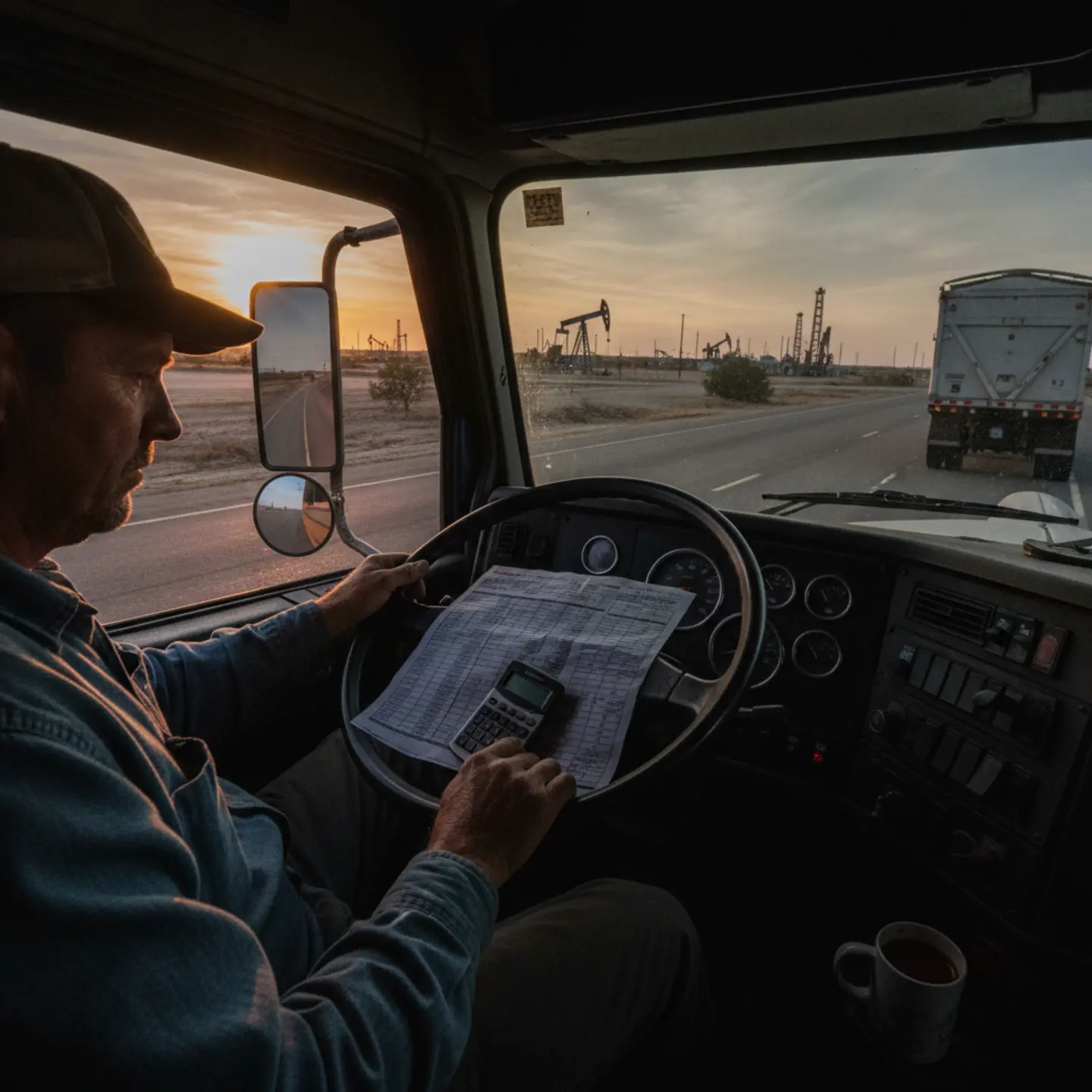
Oilfield hauling typically involves 12–16 hour days with unpredictable start times. Detention and idle time at wellsites extend days beyond what you planned. Seasonal demand spikes in Q1 and Q2 — when major E&P companies front-load their spending — create periods of intense work with minimal home time. Family commitments conflict with dispatch demands in ways that are hard to anticipate until you’re living it. If you want a realistic picture of what a day in the Permian actually looks like hour by hour, the typical day of a Texas oilfield truck driver doesn’t sugarcoat it.
Physical Demands and Health Impacts
Handling pneumatic hoses, climbing trailers in extreme West Texas heat, and navigating congested well pads takes a physical toll that compounds over time. Exposure to silica dust and H2S — even with proper PPE — creates ongoing health considerations that conventional freight drivers simply don’t face. Sleep disruption from irregular schedules and chronic stress impacts both your health and your safety on the road. Injury risk in oilfield operations is meaningfully higher than in standard freight lanes. None of this means you shouldn’t do it — but it means you need to go in with clear eyes about what you’re signing up for, and make sure the financial return justifies the personal cost.
Why Sisu Energy Is the Right Choice for Owner-Operators Serious About Oilfield Success
Every challenge covered in this post has a direct answer in how Sisu Energy is built. That’s not a coincidence — it’s the whole point. Sisu runs a 100% Owner-Operator fleet with zero company trucks, which means you never compete with internal drivers for loads. Rotary dispatch ensures every Owner-Operator gets a fair shot at consistent work — no favoritism, no politics.
The cash flow problem that derails new drivers? Sisu’s no-escrow policy and weekly Friday direct deposit eliminate the financial uncertainty that causes drivers to fall behind on fixed costs. You know exactly when your money is coming and exactly what’s been deducted — no surprises on settlement day.
The unpredictable nature of oilfield hauling — detention issues, equipment problems, load changes at odd hours — is exactly why 24/7 live human dispatch matters. Not an app. Not a voicemail. A real person who knows your situation and can solve problems in real time. Six hauling divisions across Texas and Pennsylvania/Ohio give you the flexibility to choose the region, equipment type, and schedule that fits your life — without leaving The Pack when your needs change.
And the fuel cost that eats into profitability every single week? Sisu’s fuel card program with no fees and 10–12% discounts off market rates directly protects your bottom line, especially when Gulf Coast diesel prices are running at $4.415/gallon and climbing.
Join Our Pack and take control of your oilfield future with a carrier built Owner-Operator first.
Frequently Asked Questions
Is frac sand hauling actually profitable for Owner-Operators, or are the gross numbers misleading?
Frac sand hauling can generate high gross revenues — often $8,000–$11,000+ per week in the Permian Basin — but net take-home varies significantly based on your cost management. The key is understanding the full cost stack: fuel consumption, truck payments, insurance, maintenance, and carrier deductions. New Owner-Operators are often surprised by how much of that gross revenue goes to fixed and variable expenses. Success depends on maximizing loaded miles, negotiating fair detention pay, and choosing a carrier that prioritizes your profitability.
What unexpected costs should I budget for in oilfield hauling?
Budget for significant equipment wear and tear from rough oilfield roads — suspension and tire damage accelerates rapidly in the Permian. Unpaid idle time and detention at wellsites can cost you over $17,000 annually if you don’t negotiate and enforce detention pay. Initial certification costs (PEC, H2S, Respiratory Fit Test) total $400–$420 before your first paycheck. Factor in the two-weeks-in-the-hole cash flow delay and maintain a maintenance reserve of at least $200–$250/week to cover unexpected repairs like blower failures ($2,000–$5,000).
How important are safety certifications like PEC/Safeland and H2S for getting work in the Permian?
Safety certifications like PEC Basic Orientation (Safeland) and H2S are absolutely mandatory for accessing active well pads in the Permian Basin and Eagle Ford Shale. Without these, you will be denied entry to wellsites, resulting in lost loads and lost income — no exceptions. These certifications ensure you meet the minimum safety knowledge requirements for operating in hazardous oilfield environments where hydrogen sulfide exposure and silica dust are real, present risks on every job site.
How does the oilfield lifestyle impact home time and family life?
Oilfield hauling typically involves long, irregular hours and unpredictable schedules that significantly impact home time and family life. You’ll experience 12–16 hour days with detention and idle time extending schedules beyond what you planned. Seasonal demand spikes create periods of intense work with minimal home time. The combination of stress, fatigue, and time away from family causes many drivers to leave the oilfield even when the pay is strong — strong personal support systems and realistic expectations about lifestyle trade-offs are essential before you commit.
What makes Sisu Energy different from other frac sand carriers?
Sisu Energy is built 100% Owner-Operator first — no company trucks, no internal competition for loads. Rotary dispatch ensures fair load distribution, a strict no-escrow policy with weekly Friday direct deposit protects your cash flow, and 24/7 live human dispatch provides real-time support when the oilfield throws you a curveball. The fuel program delivers 10–12% discounts off market rates, directly protecting your profitability when diesel prices spike. Six divisions across Texas and Pennsylvania/Ohio let you choose your region and schedule without leaving The Pack. Ready to run with a carrier that respects your business? Apply Today and join Owner-Operators who are already building their future with Sisu.
Ready to Stop Washing Out and Start Building Something Real?
The five reasons most drivers fail in the oilfield are all solvable — with the right preparation and the right carrier in your corner. Sisu Energy is built around your success, not ours. No escrow, no company trucks stealing your loads, and a live human on dispatch every hour of every day.
*Sisu Energy LLC contracts exclusively with independent Owner-Operators. Earnings vary by division, miles, fuel costs, and individual business factors, and no specific income is guaranteed. Programs, lease rates, and requirements are subject to change. Please contact Sisu Energy directly for current opportunities and division details.