Texas Oil Field Truck Driver: What A Typical Day Looks Like
- A typical day for a Texas oilfield truck driver runs 12–14 hours, covering pre-trip inspections, multiple frac sand loads, wellsite offloads, and frequent detention waits — all governed by FMCSA hours-of-service rules.
- Gross weekly revenue for Permian Basin Owner-Operators ranges from $5,625 to $11,000+, but realistic net take-home after fuel, fixed costs, and deductions lands between $2,900–$5,900/week — with pneumatic hauling commanding a $500–$625 premium per load over hopper bottom.
- Entry into frac sand hauling requires a Class A CDL with a Tanker (N) endorsement, plus oilfield-specific certifications including PEC/Safeland (~$200), H2S training (~$20), and a respiratory fit test (~$30–$50).
- The Permian Basin is running 241 active rigs and 35–40 active frac spreads as of mid-2026, driving projected annual frac sand demand of 25–30 million tons — creating consistent, high-turn work for qualified Owner-Operators.
- Trust Sisu Energy for transparent pay, 24/7 live human dispatch, a 100% Owner-Operator fleet, and no escrow — visit Sisu Energy to explore divisions and take control of your future.
What Does a Typical Day Look Like for a Texas Oil Field Truck Driver?
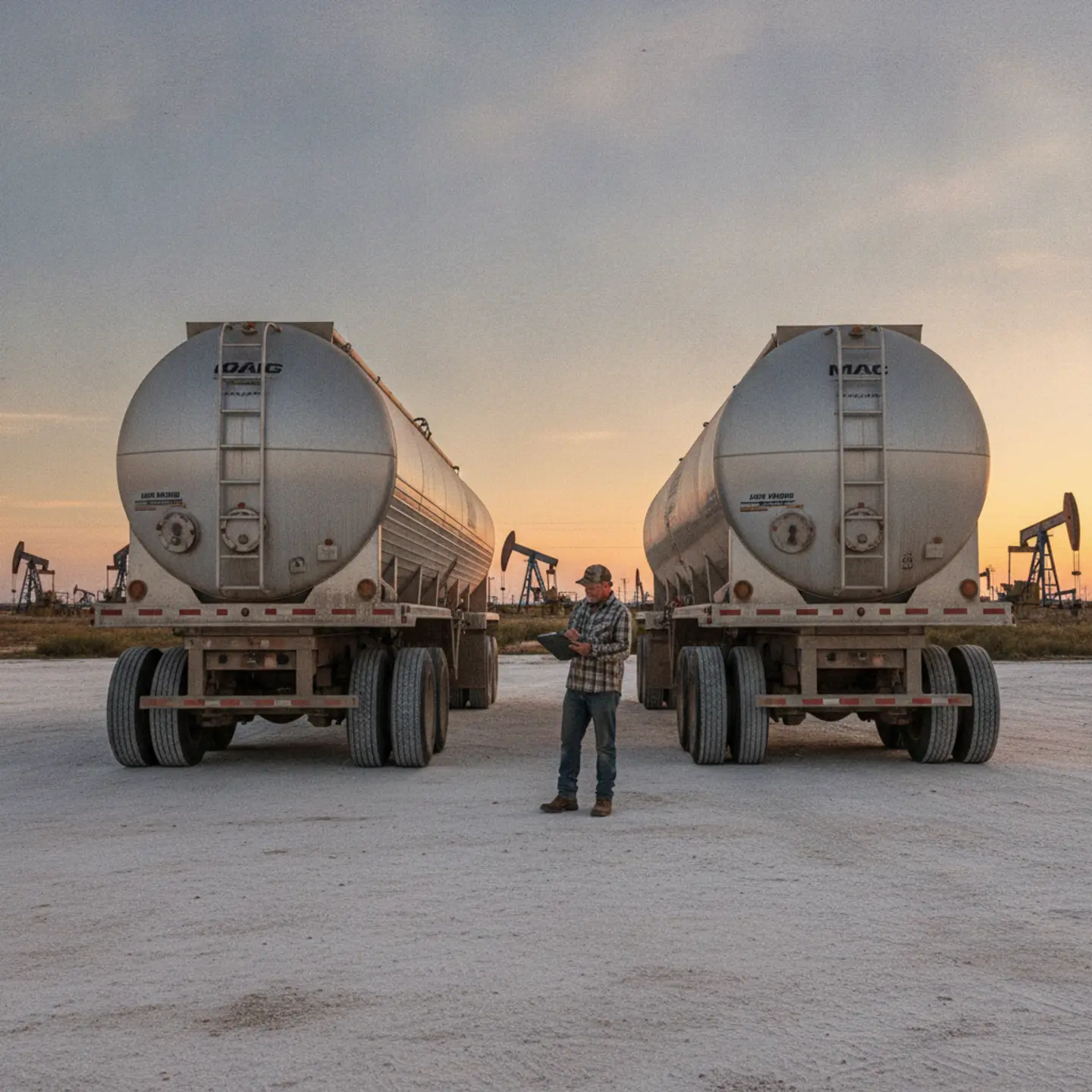
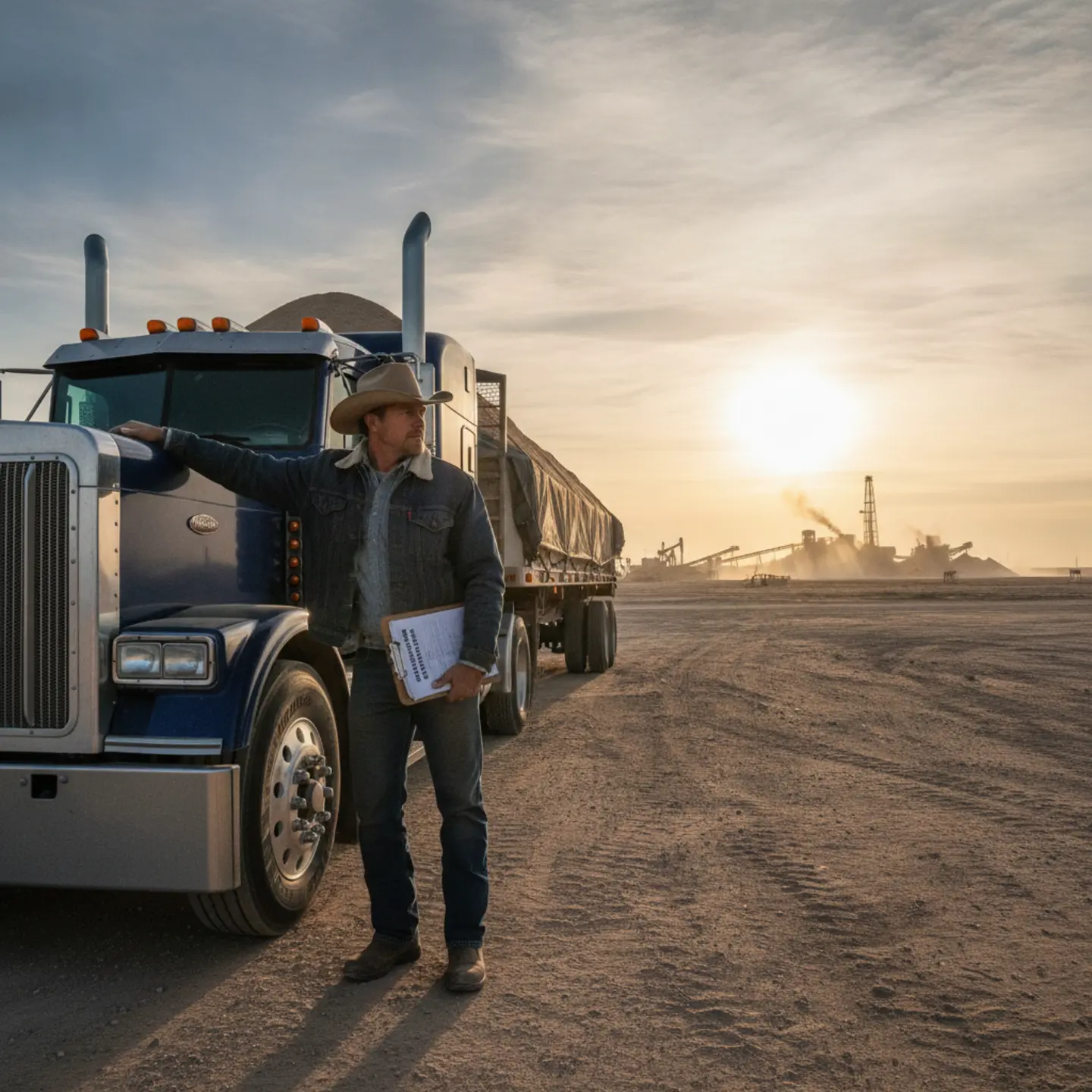
A typical day for a Texas oil field truck driver—especially an Owner-Operator in frac sand hauling—starts before dawn and involves 12–14 hours of coordinated driving, loading, offloading, and waiting at wellsites. The work is physically demanding, highly regulated, and cyclical with the energy market, but for those with the right equipment, certifications, and carrier partnership, it offers some of the highest earning potential in trucking. Understanding the real daily rhythm—from pre-trip inspections to detention pay negotiations—is essential for anyone considering this career.
Let’s walk through what a realistic day looks like, the market forces shaping it, and what it takes to build a sustainable, profitable operation in Texas’s booming oilfield logistics sector.
Sisu Energy
100% Owner-Operator — You Never Compete With Company Trucks
Core Service Programs:
- Pneumatic Frac Sand Hauling for owner-operators running STX and PA/OH oilfield lanes
- Hopper Bottom Frac Sand Hauling for owner-operators across the Permian, West Texas, and South Texas
- Cement Hauling for owner-operators running Monday–Friday daytime lanes in North Texas and Houston
Why Choose Sisu Energy:
- ✓ 100% Owner-Operator fleet — you never compete with company trucks for loads
- ✓ 24/7 live human dispatch with a fair rotary load distribution system
- ✓ No escrow, no fuel card fees, and minimal deductions
- ✓ Weekly direct deposit, paid every Friday
- ✓ Fuel program with a 10–12% discount off market rate
- ✓ Fast, streamlined onboarding — no orientation required
Oilfield Trucking in the Permian Basin and Texas Shale Plays
The Permian Basin is the engine room of U.S. onshore energy production—and for frac sand haulers, it’s where the work is. As of mid-2026, the basin is running 241 active rigs and 35–40 active frac spreads, translating directly into consistent, high-volume demand for sand delivery on the ground. The Eagle Ford Shale adds further volume in South Texas, though haul distances there tend to run shorter.
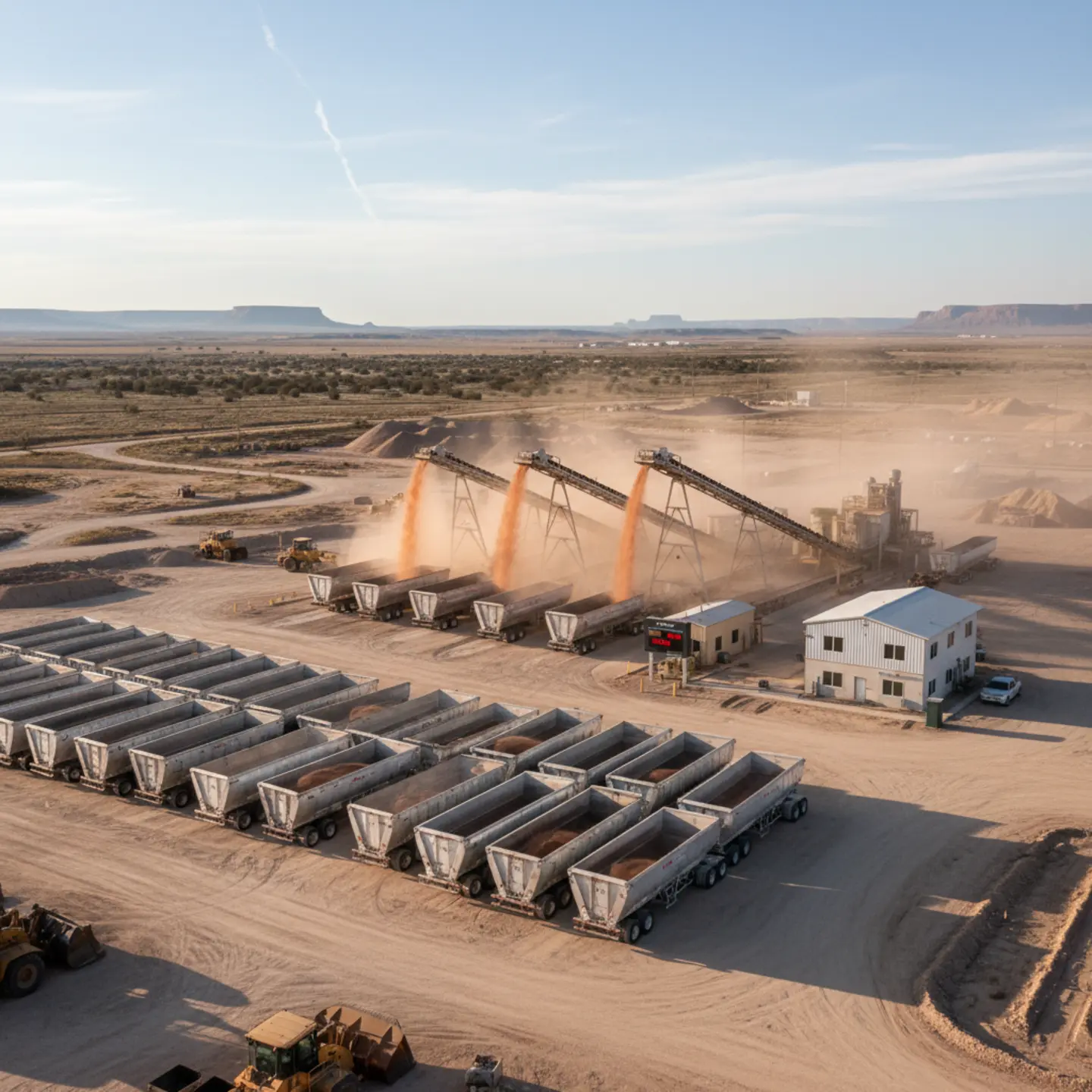
One of the most significant shifts reshaping daily operations is the dominance of in-basin sand sourcing. West Texas mines near Kermit and Monahans have largely replaced long-haul Wisconsin sand, compressing haul distances and creating high-turn, regional lanes that are ideal for Owner-Operators. The Permian is projected to consume 25–30 million tons of frac sand annually in 2025–2026—with each well completion utilizing roughly 18,000 tons and involving nearly 1,000 truck movements.
Road conditions vary sharply. You’ll run well-maintained state highways between Midland and Odessa, then transition to rough, unpaved county roads as you approach the well pad. Congestion from other heavy-haul traffic is constant near active completion sites. Defensive driving and local knowledge aren’t optional—they’re survival skills. Oilfield activity follows seasonal rhythms, but the strategic importance of Permian production keeps a high floor under work availability year-round. For qualified Owner-Operators, that means steady freight, not feast-or-famine uncertainty.
Compensation and Cost Reality for an Oilfield Owner-Operator
The earning potential in frac sand hauling is real—but so are the costs. Owner-Operators in Texas average $212,953 in gross annual pay (ZipRecruiter, March 2026), and experienced Permian Basin drivers can gross $8,000–$11,000+ per week. Net take-home after all expenses typically lands between $2,900–$5,900/week. The gap between those two numbers is where your business lives or dies.
| Category | 15 Loads/Week | 18 Loads/Week | 22 Loads/Week |
|---|---|---|---|
| Gross Revenue (hopper, ~$375/load avg) | $5,625 | $6,750 | $8,250 |
| Pneumatic Premium (+$562/load avg) | +$8,437 | +$10,125 | +$12,375 |
| Fixed Weekly Costs (truck, trailer, insurance, maintenance, deductions) | $1,739–$1,789 (before fuel) | ||
| Fuel Cost (1,500–2,500 mi @ $4.95/gal, 6 MPG) | $1,239–$2,065 (pre-discount) | ||
| Fuel Savings (11.5% avg discount) | $142–$214/week back in your pocket | ||
| Detention Pay (avg 1-2 hrs/load @ $25–$50/hr) | Not Available | Not Available | Not Available |
Partnering with a carrier that provides full transparency with the insurance and fuel savings to their owner-operators along with no escrows is real dollars back in your pocket, week in and week out.
Starting as an Owner-Operator means you’ll complete work before receiving your first settlement check, creating a cash flow gap. A $5,000–$10,000 upfront reserve is prudent to cover initial operating expenses and personal costs during this period.
Beyond the weekly numbers, first-year Owner-Operators face one-time startup costs—ELD device ($200), drug screen ($90), MVR ($35), PSP ($20), Clearinghouse ($5)—totaling roughly $350. Add certifications (~$250–$270) and annual plates (~$900), and you’re looking at a real but manageable upfront investment. Amortized across 52 weeks, these costs add roughly $30/week to your operating baseline. If you want a deeper breakdown of the real numbers behind frac sand hauling, the Owner-Operator frac sand hauling real numbers breakdown covers the full picture.
Regulatory and Licensing Requirements for Texas Oilfield Truck Drivers
Getting legal and staying legal in Texas oilfield trucking requires more than a CDL. Here’s what you need before your first load rolls:
- Class A CDL with Tanker (N) Endorsement — Required for pneumatic frac sand operations. Pneumatic trailers fall under the federal definition of a tanker regardless of commodity. A HazMat (H) endorsement isn’t mandatory for dry frac sand, but it expands your earning potential significantly.
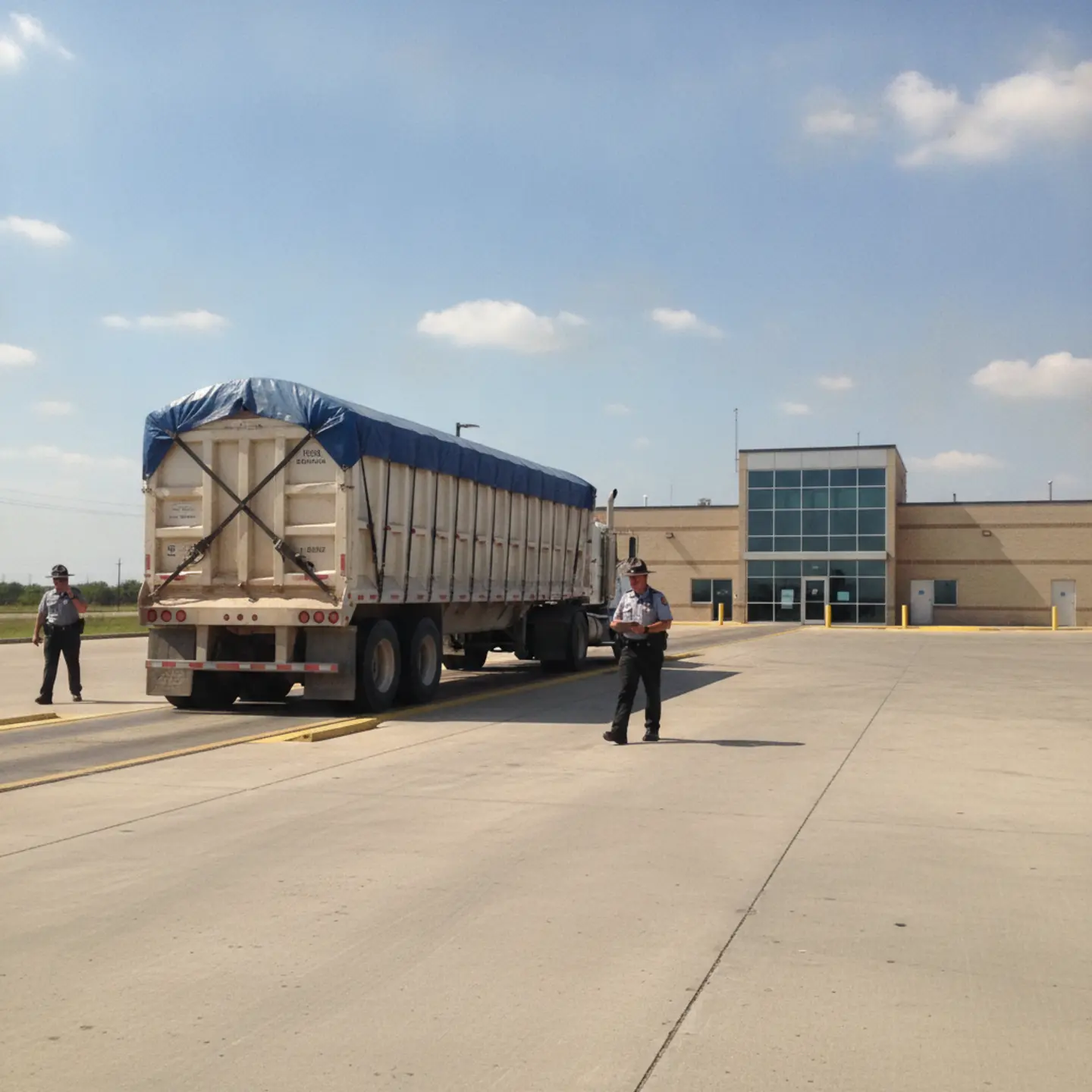
- FMCSA Hours-of-Service Compliance — Standard 11/14-hour rules apply to most oilfield routes. Some short-haul operations within 150 air miles of home base may qualify for the short-haul exemption, reducing ELD requirements. Most pneumatic drivers will operate under standard HOS rules with a mandatory ELD ($200 one-time cost).
- TxDOT Overweight Permits (~$900/year) — Non-negotiable for hauling heavy frac sand loads. Annual permits cover designated routes; per-trip permits are required for non-designated roads. County-level restrictions vary by region and can change without much notice—local knowledge and dispatch guidance are essential.
- PEC/Safeland Certification (~$200) — Universally required by oilfield operators for wellsite access. Covers hazard communication, PPE, confined space awareness, and emergency protocols. Plan for 8–10 hours of training at a certified center.
- H2S Training (~$20) and Respiratory Fit Test (~$30–$50) — Mandatory in regions where hydrogen sulfide is present. H2S training is typically a 4-hour course; the fit test ensures your respirator creates a proper seal. Both require periodic renewal to maintain wellsite access.
- FMCSA Clearinghouse Compliance — Any drug or alcohol violation in the Clearinghouse database disqualifies a driver from operating with reputable carriers. This is a hard stop, not a negotiable policy.
For a side-by-side look at how equipment choices affect your daily operations and regulatory requirements, the bottom drop vs. pneumatic frac sand comparison breaks down the key differences in detail.
Market Landscape and Carrier Selection — What to Look for in an Oilfield Trucking Partner
The Texas oilfield trucking market is competitive and fragmented. Large logistics companies compete with specialized regional carriers, and the range of operational models—company-driver fleets, lease-on Owner-Operator carriers, broker arrangements, and direct shipper relationships—means your carrier choice has a direct, measurable impact on your weekly take-home.
Lease-on Owner-Operator carriers offer the highest earning potential and business independence, but they require you to carry greater financial responsibility for your equipment and operating costs. The all-pneumatic segment commands a $20–$25/ton premium over standard hopper bottom work due to specialized equipment, training, and responsibility—making it the highest-ceiling segment for qualified drivers willing to invest in the right rig.
Red flags include high escrow holds, slow or inconsistent pay, hidden deductions, forced dispatch of undesirable loads, and unrealistic load guarantees. A reputable carrier should offer transparent pay structures, no escrow, weekly direct deposit, and fair load distribution.
Experienced Owner-Operators research carriers through trucking forums, Facebook groups, and industry networks. The questions they ask are consistent: What are the pay splits? Is there escrow? How does dispatch work? What’s the fuel program? How is detention handled? A carrier that can answer all of those questions with specifics—not vague promises—is one worth talking to. For a broader look at how top carriers in Texas stack up, the best frac sand carriers in Texas review covers the competitive landscape in detail.
Key Statistics That Define the Texas Oilfield Trucking Opportunity in 2026
Hard numbers cut through the noise. Here’s what the data actually says about this sector in 2026:
- Owner-Operators in Texas average $212,953 in gross annual pay (ZipRecruiter, March 2026). Experienced Permian frac sand haulers can net $80,000–$120,000+ annually after all expenses—the highest trucking pay in the state.
- The Permian Basin consumes 25–30 million tons of frac sand annually, with each well completion requiring approximately 18,000 tons and generating nearly 1,000 truck movements.
- Active frac spreads in the Permian generate an estimated 100,000–130,000 tons of weekly sand demand, concentrated across the Midland and Delaware sub-basins.
- A frac crew on standby costs oilfield operators $100,000–$300,000+ per day—which is exactly why reliable, on-time sand delivery commands premium rates and why detention pay policies matter so much.
- The CDL driver shortage persists into 2026, particularly in specialized oilfield sectors, keeping the supply-demand balance favorable for qualified Owner-Operators seeking consistent work.
If you’re evaluating whether the financial case holds up before making the jump, the frac sand hauling worth it in 2026 breakdown runs the full cost-benefit analysis.
Why Sisu Energy Is the Right Choice for Texas Owner-Operators
Sisu Energy is built around a single operating principle: Owner-Operators first. That’s not marketing language—it’s the structural reality of how the business works. With a 100% Owner-Operator fleet and zero company trucks, there’s no internal competition for loads. Every load in the rotation goes to a driver in the Pack, distributed through a fair rotary system that eliminates the load-steering practices that erode earnings at fragmented carriers.
Six hauling divisions across Texas and Pennsylvania/Ohio—STX Pneumatics, STX Hopper Bottom, WTX Hopper Bottom, NTX Pneumatic, and PA/OH operations—mean you can choose the hauling type, region, and schedule that fits your life. Whether you’re running short-haul Permian turns or Mon–Fri daytime NTX cement lanes with weekends off, there’s a division built around your goals, not the carrier’s convenience.
24/7 live human dispatch—not an app, not a queue—paired with the Ditat platform ensures you’re never left waiting on a load assignment or chasing down a dispatcher at 2 a.m. on a wellsite. The validated 10–15% fuel discount (avg 11.5%) with no card fees puts $142–$214 back in your pocket every week depending on miles. No escrow holds. Weekly Friday direct deposit. Transparent pay splits—80/20, 85/15, or 90/10—with a clear deduction structure that has no hidden surprises.
This is what “your business, your family, your future” actually looks like in practice: a carrier model designed to maximize your take-home, protect your cash flow, and give you the consistency to build something real. The Pack isn’t a slogan—it’s the operating model.
Apply Today — take control of your future and join the fastest-growing all-pneumatic frac sand hauling company in the country.
Frequently Asked Questions
How much can a frac sand Owner-Operator realistically make in the Permian Basin?
Gross revenue for top-tier Owner-Operators in Permian frac sand hauling can reach $8,000–$11,000+ per week, but realistic net take-home after covering all operating expenses—fuel, maintenance, insurance, carrier deductions, and trailer rental—typically lands between $2,900–$5,900/week. Pneumatic operations push the ceiling significantly higher than hopper bottom work, with a $500–$625 per-load premium. Your actual profitability hinges on load volume, operational efficiency, and how tightly you manage your business costs.
What are the typical daily hours and schedule like for an oilfield truck driver?
Oilfield trucking is a demanding, 24/7 operation. Daily shifts commonly run 12–14 hours, often including nights and weekends, to keep pace with continuous drilling and completion activities. FMCSA hours-of-service rules are strictly followed, but the nature of oilfield work—multiple loads, wellsite waits, and variable road conditions—means you’re managing your clock carefully every day. Irregular schedules are the norm, not the exception, especially during active completion campaigns.
What are the biggest hidden costs for an Owner-Operator entering frac sand hauling?
Beyond truck payments and fuel, Owner-Operators consistently underestimate three cost categories: frequent maintenance and repairs driven by rough oilfield roads, the upfront and recurring costs of oilfield certifications (PEC/Safeland, H2S, respiratory fit testing), and the “two weeks in the hole” cash flow gap before your first settlement check arrives. Inefficient dispatch that leaves detention time unbilled is another silent profit killer—one that a clear carrier detention policy directly addresses.
Do I need any special endorsements beyond a Class A CDL for frac sand?
Yes. For pneumatic tanker operations, a Tanker (N) endorsement on your Class A CDL is required—pneumatic trailers fall under the federal definition of a tanker regardless of the commodity being hauled. Frac sand itself is generally not classified as HazMat, so a HazMat (H) endorsement isn’t mandatory for sand hauling specifically. That said, adding the H endorsement significantly expands your earning potential in the Texas oilfield market by opening access to a wider range of specialized loads.
What makes Sisu Energy different from other oilfield trucking carriers?
Sisu Energy is built 100% Owner-Operator first—zero company trucks competing for your loads, no escrow holds, weekly Friday direct deposit, and 24/7 live human dispatch with rotary load allocation ensuring fair, consistent work. Combined with a validated 10–15% fuel discount, transparent pay splits (80/20, 85/15, 90/10), and six divisions across Texas and PA/OH, Sisu prioritizes your business success and your family’s stability. Ready to take control of your future? Apply Today to join our Pack.
Ready to Run Texas Oilfield Lanes With the Pack?
You’ve seen the real numbers—the gross revenue, the costs, the daily grind, and the opportunity. The Permian Basin is running hard in 2026, and qualified Owner-Operators with the right equipment and certifications are in demand. Sisu Energy offers the transparent pay, consistent loads, and 24/7 live human support to make your operation sustainable and profitable.
*Sisu Energy LLC contracts exclusively with independent Owner-Operators. Earnings vary by division, miles, fuel costs, and individual business factors, and no specific income is guaranteed. Programs, lease rates, and requirements are subject to change. Please contact Sisu Energy directly for current opportunities and division details.