Bulk Frac Sand Hauling Jobs & Carriers in Houston TX
- Houston’s bulk pneumatic freight market is dominated by cement hauling — not frac sand — driven by petrochemical plants, port infrastructure, and major construction projects; cement constitutes over 60% of local pneumatic volume and offers more schedule stability than oilfield work.
- A Houston-area Owner-Operator running pneumatic cement on a Monday–Friday schedule can realistically net $100,000–$130,000+ per year with predictable hours and weekends off — a rare combination in trucking.
- Texas faces a shortage of over 60,000 CDL drivers, most acute for pneumatic tanker specialists — giving qualified Owner-Operators real leverage when choosing a carrier partner.
- Carrier-provided fuel discounts, no-escrow policies, and weekly direct deposit can add $4,000–$8,000+ annually to an Owner-Operator’s net income — carrier selection is one of the most consequential business decisions you’ll make.
- Trust Sisu Energy for 100% Owner-Operator hauling, transparent pay splits up to 90/10, and 24/7 live human dispatch across six Texas and Pennsylvania/Ohio divisions — visit Sisu Energy to take control of your future.
What Are Frac Sand Hauling Jobs and Carrier Options in Houston TX?
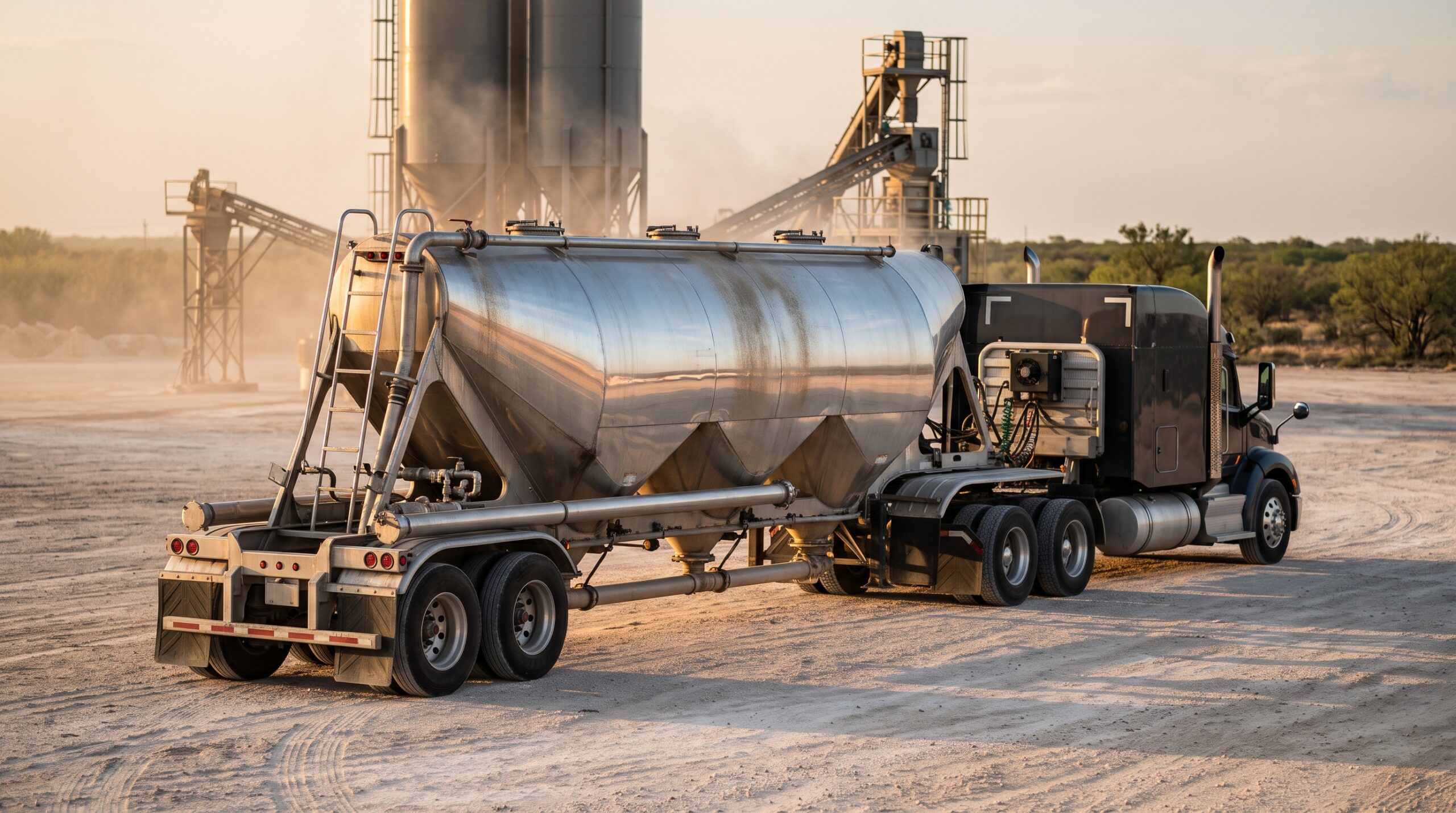
Frac sand hauling in Houston is a specialized logistics operation where Owner-Operators transport bulk sand from transload facilities to well sites across the Eagle Ford and Haynesville shales. While Houston itself isn’t a sand source, it’s a major hub for pneumatic tanker work hauling cement and a staging point for sand logistics. The market offers multiple carrier options, ranging from large national fleets to specialized all-pneumatic operators, each with different pay structures, equipment requirements, and lifestyle trade-offs.
Understanding the real economics, regulatory requirements, and carrier landscape is essential before committing to this work — and that’s what this guide covers.
Sisu Energy
100% Owner-Operator — You Never Compete With Company Trucks
Core Service Programs:
- Pneumatic Frac Sand Hauling for owner-operators running STX and PA/OH oilfield lanes
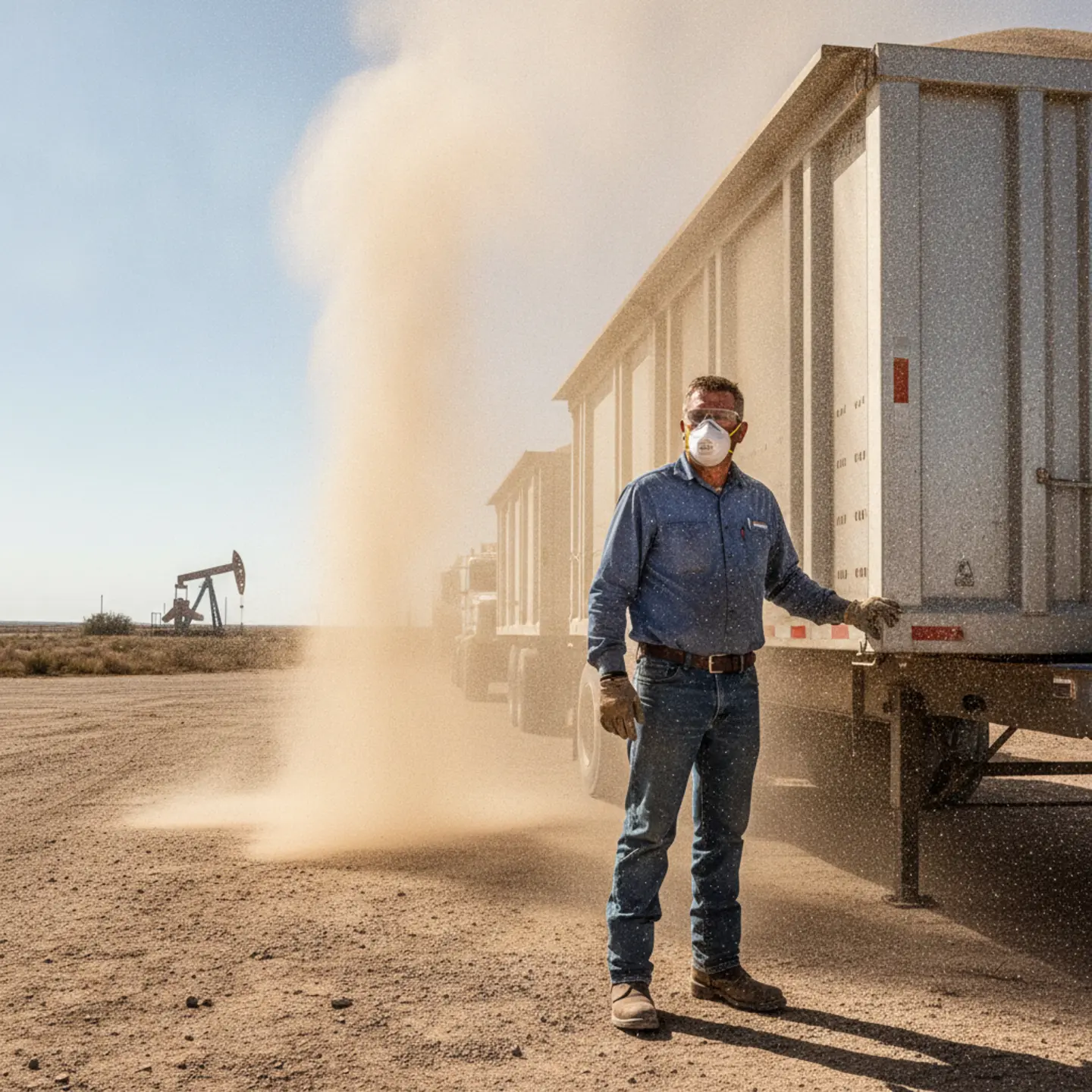
- Hopper Bottom Frac Sand Hauling for owner-operators across the Permian, West Texas, and South Texas
- Cement Hauling for owner-operators running Monday–Friday daytime lanes in North Texas and Houston
Why Choose Sisu Energy:
- ✓ 100% Owner-Operator fleet — you never compete with company trucks for loads
- ✓ 24/7 live human dispatch with a fair rotary load distribution system
- ✓ No escrow, no fuel card fees, and minimal deductions
- ✓ Weekly direct deposit, paid every Friday
- ✓ Fuel program with a 10–12% discount off market rate
- ✓ Fast, streamlined onboarding — no orientation required
Houston & Gulf Coast Oilfield Logistics Market Context
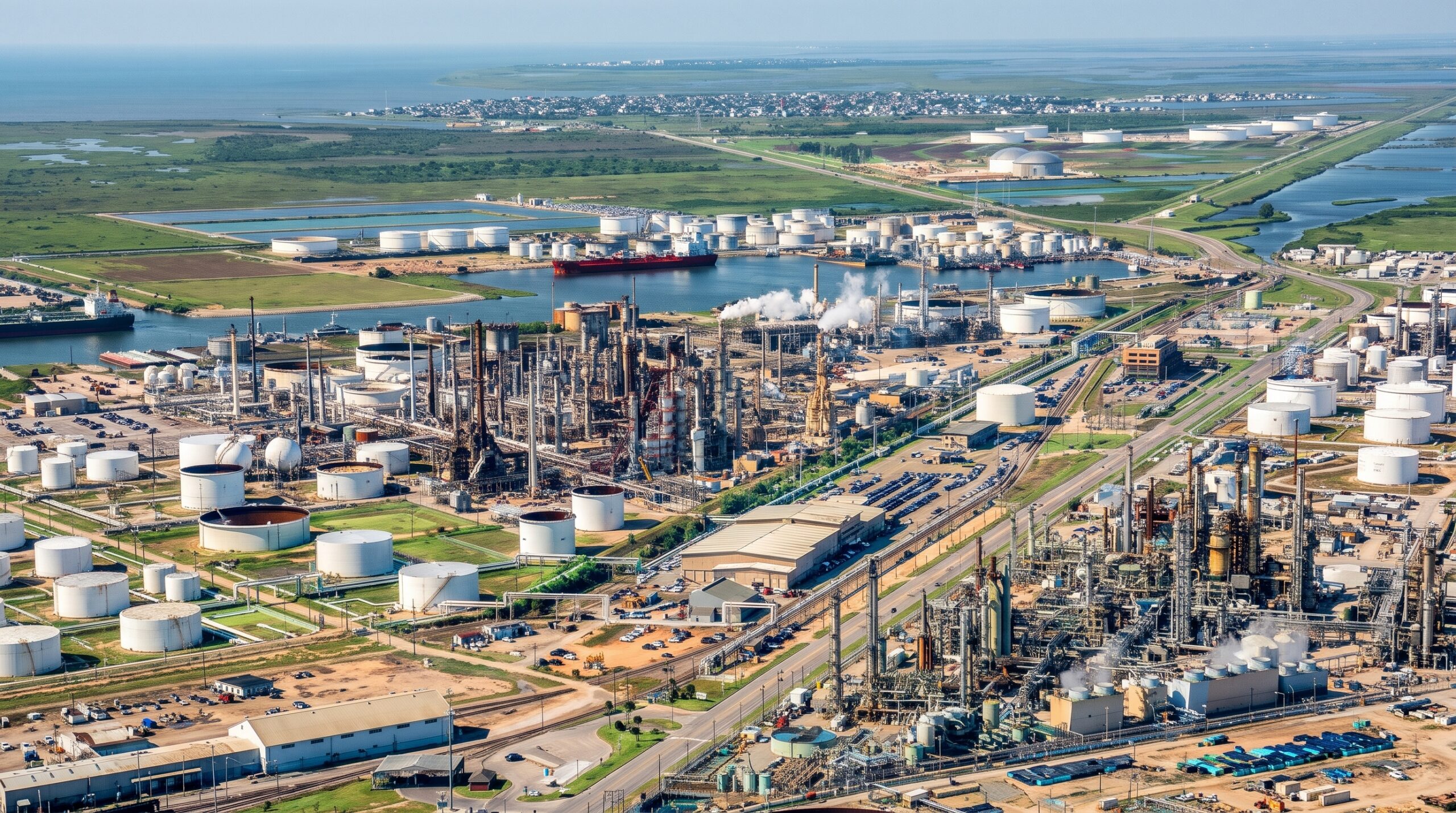
Houston is one of the most active industrial bulk freight markets in the country — but the commodity driving that volume isn’t frac sand. Cement accounts for over 60% of local pneumatic freight volume, fueled by the petrochemical corridor along the Houston Ship Channel, major infrastructure projects like the I-45 North Houston Highway Improvement Project, port modernization contracts, and LNG export terminal construction along the Gulf Coast. These are multi-year, multi-billion dollar projects that need steady bulk deliveries regardless of where oil prices are trading.
Frac sand does move through Houston — railed and trucked into transload facilities before heading out to Eagle Ford well sites south of San Antonio and Haynesville Shale operations in East Texas and Louisiana. But for an Owner-Operator based in the Houston metro, the consistent, repeatable work is cement. That distinction matters when you’re planning your business.
The carrier landscape reflects this reality. The greater Houston area has thousands of licensed carriers on file with the FMCSA, and approximately 60% are single-truck operations. The market is competitive — but not saturated for qualified drivers with well-maintained pneumatic equipment. Stringent safety requirements at petrochemical facilities and ports create a natural filter that rewards professional, compliant Owner-Operators. Seasonal peaks hit in spring and fall; hurricane season (June–November) carries real operational risk that purely oilfield markets don’t face in the same way.
Owner-Operator Economics: Pneumatic Cement Hauling vs. Frac Sand
The numbers are what matter. Here’s a realistic breakdown of what Houston pneumatic cement work actually looks like on a weekly settlement — and how it compares to 24/7 oilfield frac sand work.
| Item | Weekly Amount | Notes |
|---|---|---|
| Gross Revenue | $6,600 | 12 loads @ $550/load (M–F, 2–3 loads/day) |
| Carrier Fee (20%) | –$1,320 | 80/20 split |
| O-O Share | $5,280 | |
| Fuel Cost | –$1,205 | 1,500 mi @ 7 MPG @ $5.74/gal (EIA, Nov 2026) |
| Trailer Rental | –$350 | Standard weekly lease |
| Insurance / Deductions | –$279 | Standard weekly deductions |
| Truck Payment | –$600 | Industry standard assumption |
| Maintenance Reserve | –$250 | Industry standard assumption |
| Miscellaneous | –$150 | Wash-outs, tolls, etc. |
| Est. Net Take-Home | $2,446 | Before taxes |
Annualized, that example yields roughly $127,000+ per year — with nights and weekends off. Oilfield frac sand work running 24/7 can gross $8,000–$10,000/week and net $150,000–$200,000+ annually, but demands unpredictable schedules and extended time away from home. Neither is the “right” answer — they’re different businesses with different trade-offs. Understanding which one fits your life is the first decision to make. For a deeper look at how these numbers play out across different haul types, the real numbers behind Owner-Operator frac sand hauling break it down load by load.
Houston’s notorious traffic can destroy a driver’s daily turn count and revenue potential. Factor in realistic wait times at congested plants, ports, and during peak hours when calculating your weekly earnings.
A few costs that catch Houston drivers off guard: deadhead miles in a geographically vast metro add uncompensated fuel burn before the first pickup; pneumatic tanker wash-outs run $250+ per cleaning; and detention pay is found more often in industrial materials hauling than in the oilfield, but it is not universal — confirm the policy in writing before you sign. Fuel surcharges tied to the EIA weekly diesel price are also common in construction and industrial contracts — always clarify how they’re calculated.
Regulatory and Compliance Requirements for Bulk Hauling in Texas
When you lease on with a carrier, you operate under their DOT number and motor carrier authority. The carrier handles federal registration, safety reporting (UCR), and the required liability and cargo insurance. Your responsibilities are clear: maintain your truck, keep your CDL current, and stay on top of your medical card. That division of responsibility matters — know exactly where the line is before you sign a lease agreement.
Hauling bulk loads of 23–25 tons requires an Over Axle/Gross Weight Tolerance Permit from the Texas Department of Motor Vehicles (TxDMV). Carriers typically manage the application and pass the annual cost through to the Owner-Operator as a deduction — confirm this upfront. Houston petrochemical facilities and refineries often require site-specific safety orientations beyond baseline certifications (PEC, H2S, Respiratory Fit Test). And if you’re accessing port facilities or secure industrial sites, a TWIC card is mandatory — no exceptions.
Many Houston cement runs may qualify for the FMCSA short-haul exemption — if you start and end at the same location within a 150-air-mile radius, you’re not required to run an ELD or take the 30-minute rest break. Accurate time records are still required. Texas DPS and local commercial vehicle enforcement are active in the Houston metro; expect frequent inspections focused on tires, brakes, lights, and weight compliance.
Your legal baseline: FMCSA leasing regulations (49 CFR Part 376) require written lease agreements specifying every compensation item and charge-back. If a carrier misrepresents their pay or contract terms, you can file a complaint with the FMCSA — and Texas’s Deceptive Trade Practices Act (DTPA) may offer additional protection.
Some carriers use escrow holds, surprise deductions, or slow payment methods that can cripple your cash flow. Always get a written lease agreement that clearly specifies every deduction, payment frequency, and method before you sign.
Top Frac Sand Hauling Carriers and Bulk Logistics Companies Operating in Houston TX
Not all carriers are built the same. Here’s an honest look at the major players operating in the Houston bulk hauling market — what they do well, where they fall short, and what differentiates them for Owner-Operators.
Sisu Energy LLC (1845 Precinct Line Rd. # 200 Hurst, TX 76054 ) — A 100% Owner-Operator carrier managing Houston operations from its Fort Worth headquarters. Sisu’s Houston division is focused on pneumatic cement hauling with a Monday–Friday daytime schedule. Drivers consistently cite high pay splits (up to 90/10), transparent deductions, and 24/7 live human dispatch as the primary reasons they stay. No company trucks means no internal competition for loads — your success is directly tied to the company’s success. For a full breakdown of how Sisu stacks up against other carriers in Texas, the best frac sand carriers in Texas by pay and reviews is worth reading before you make a decision.
Bulldog/Trimac — One of the largest bulk carriers in North America with multiple Houston-area terminals including Channelview. Their scale provides freight stability across chemicals, food grade, and industrial materials — if one sector slows, others pick up. The trade-off is corporate structure: more bureaucracy, less personal attention than smaller operations.
Martin Transport Inc. — A well-established liquid and dry bulk carrier with a strong Gulf Coast presence and a focus on petroleum products and chemicals. Company driver reviews tend to be positive; Owner-Operator feedback is more mixed, with drivers noting a need for self-reliance in a large system.
Sun-Set Trucking, LLC — A Houston-based carrier specializing in end dump and pneumatic work for construction and industrial sites. Smaller operation means more direct dispatch relationships and a local focus. Detailed Owner-Operator reviews are sparse — do your homework before signing.
Schwerman Trucking Co. — A large national bulk carrier with a Houston terminal and long-standing contracts with major cement producers like Cemex and Holcim. Load consistency is a genuine strength. Some Owner-Operators on driver forums report rates that are less competitive than smaller, more aggressive carriers.
Evaluating a Carrier: Key Questions to Ask
Before you sign anything, do this: talk to current Owner-Operators leased to that carrier. Ask specific questions — “How many loads did you get last week?” and “What was your actual gross revenue?” — not hypotheticals. A carrier worth working with will connect you with drivers in their fleet without hesitation.
- Verify the carrier’s CSA score and safety rating — many oilfield and industrial customers won’t load trucks from carriers with a “Conditional” rating
- Confirm the exact pay split, every non-negotiable deduction, whether there’s an escrow hold, and the payment method (weekly direct deposit is the standard for competitive carriers)
- Ask about fuel discounts, insurance programs, and equipment requirements — blower, trailer, and at what cost
- Understand load distribution — rotary (fair rotation) vs. app-based (first-come, first-served) — and whether the carrier has 24/7 live dispatch or only automated systems
The best way to verify a carrier’s rates, load volume, and deductions is to ask current Owner-Operators specific questions: “How many loads did you get last week?” and “What was your actual gross revenue?” A reputable carrier will connect you with drivers in their fleet.
Frac Sand and Bulk Hauling Industry Data Points
The market fundamentals behind Houston-area bulk hauling are worth understanding — because they affect load availability, rate stability, and your long-term earning potential.
As of late 2026, approximately 50–60 active frac spreads operate across the Permian Basin and Eagle Ford Shale combined. Each spread consumes 5–10 truckloads of sand per hour — creating constant, massive demand for hauling in the basins Sisu serves. WTI crude has held stable at $78–$80/barrel through mid-2026, sustaining drilling and completion activity above the $70 threshold analysts consider necessary for robust Texas shale operations.
Over 85% of frac sand used in the Permian Basin is now sourced from local West Texas mines, which has shifted the majority of Permian sand freight to hopper bottom trailers on short in-basin hauls. This trend is why Sisu’s WTX Hopper Bottom division is positioned in Midland/Odessa — and why pneumatic tanker demand from Houston-area transload facilities is more concentrated in Eagle Ford and Haynesville work. For a direct comparison of these two equipment types, hopper bottom vs. pneumatic frac sand hauling breaks down the operational differences.
The global frac sand market is projected to grow at a 6.3%–9.7% CAGR through 2033, indicating sustained demand for hauling services well beyond current conditions. Current market rates remain strong: $18–$23/ton for hopper bottoms and $27–$40/ton for pneumatic tankers are consistent with 2026 conditions.
Texas faces a shortage of over 60,000 CDL drivers — most acute for specialized pneumatic tanker roles. That shortage is leverage. Experienced, professional Owner-Operators have real options when choosing a carrier partner, and carriers that don’t treat drivers well are losing them. Owner-Operator turnover at carriers runs 25–35% annually, with the top reasons being poor load consistency, inadequate dispatch communication, and surprise deductions. Carrier-provided fuel discounts alone can add $4,000–$8,000 annually to your net income — and carriers with no escrow and weekly direct deposit improve cash flow by thousands more, reducing reliance on high-interest factoring.
Why Sisu Energy Is the Right Choice for Houston-Area Owner-Operators
Sisu Energy is a 100% Owner-Operator carrier — zero company trucks, zero internal competition for loads. That’s not a marketing line; it’s the entire business model. When Sisu wins freight, Owner-Operators haul it. Your success and the company’s success are the same thing.
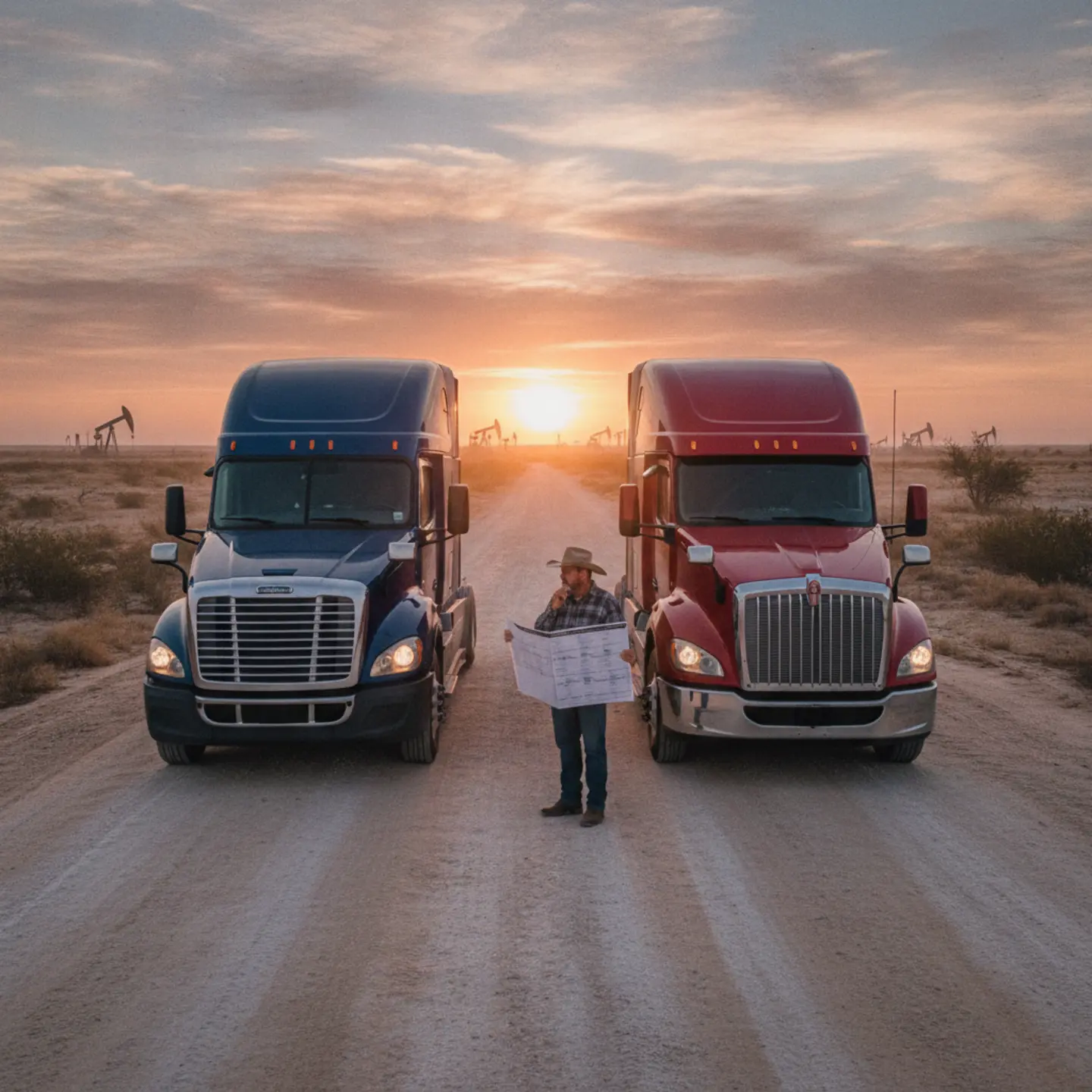
With six hauling divisions across Texas and Pennsylvania/Ohio, you can choose the hauling type, region, and schedule that fits your life — pneumatic cement on a Monday–Friday daytime schedule with weekends off, hopper bottom oilfield work in the Permian, or specialized pneumatic frac sand in South Texas or the Northeast. If your needs change, you don’t have to leave the company to find a better fit. That flexibility is rare in this industry.
24/7 live human dispatch with rotary load distribution means fair, consistent load access — no app-based lottery, no first-come, first-served scramble that rewards whoever wakes up earliest. No escrow holds and weekly Friday direct deposit mean your money is in your account when you need it. Transparent, minimal deductions and pay splits up to 90/10 maximize take-home. Fuel cards with no fees, low-cost insurance programs, and an IRP plate program are all designed to put more money in your pocket — not the carrier’s.
Apply today and take control of your future with a carrier built around Owner-Operator success.
Frequently Asked Questions: Frac Sand and Bulk Hauling Jobs in Houston TX
Is there really frac sand hauling work based out of Houston?
Houston isn’t a sand source, but it’s a major logistics hub. Sand is railed and trucked into Houston-area transload facilities and then hauled out to well sites in the Eagle Ford Shale south of San Antonio and the Haynesville Shale in East Texas and Louisiana. That said, the more consistent, repeatable local work for pneumatic tankers in Houston is cement hauling for the construction and industrial sectors — driven by petrochemical plants, port projects, and major infrastructure builds that run on multi-year timelines, not oil price cycles.
How is hauling cement different from hauling frac sand?
Cement hauling is typically local or regional with Monday–Friday daytime hours and home-daily schedules — you’re loading at established, clean cement plants and delivering to construction sites or batch plants. Frac sand hauling is a 24/7 oilfield operation with unpredictable hours and days on the road, loading at mines and silos and delivering to remote, often muddy well pads. Both use pneumatic tankers and require a blower, but the lifestyle trade-offs are completely different. Cement offers stability and home time; frac sand offers higher utilization and higher gross potential.
Do I need my own blower to haul pneumatic loads?
Yes — for pneumatic work, your tractor must be equipped with a product blower (Gardner Denver and Tuthill are common brands). This is a significant piece of equipment that can cost thousands of dollars to install and maintain, and a major failure can sideline your truck for weeks. Carriers like Sisu require Owner-Operators to have their own blowers for pneumatic divisions. Budget for this as a real operating cost, not an afterthought — blower maintenance is one of the most commonly overlooked line items in a new pneumatic driver’s financial plan.
What does an “80/20 split” actually mean for my paycheck?
An 80/20 split means you, the Owner-Operator, receive 80% of the gross linehaul revenue for every load you haul — the carrier keeps 20% to cover dispatch, overhead, insurance, and profit. From your 80%, you then pay all your own operating costs: truck payment, fuel, maintenance, insurance deductions, and any weekly fees. The split percentage is only one number — what matters is what’s left after all deductions hit your settlement. Always ask to see a sample settlement sheet, not just the headline split, before you sign.
What makes Sisu Energy different from other bulk hauling carriers?
Sisu Energy is built 100% around Owner-Operator success — no company trucks, no internal competition for loads, and transparent pay splits up to 90/10. With 24/7 live human dispatch, rotary load distribution, no escrow, and weekly Friday direct deposit, Sisu prioritizes your cash flow and income stability. Six divisions across Texas and Pennsylvania/Ohio let you choose the hauling type and schedule that fits your life — without leaving the company when your needs change. Ready to join a carrier that puts you first? Apply today and take control of your future.
Ready to Haul Bulk Frac Sand and Cement in Houston TX?
You’ve done the research. You know the real economics, the regulatory requirements, and what separates a carrier worth working with from one that will nickel-and-dime you. The next step is finding a partner built around your success — not their own volume.
*Sisu Energy LLC contracts exclusively with independent Owner-Operators. Earnings vary by division, miles, fuel costs, and individual business factors, and no specific income is guaranteed. Programs, lease rates, and requirements are subject to change. Please contact Sisu Energy directly for current opportunities and division details.