Best Frac Sand Carriers in Texas: Companies, Reviews & Pay
- The top frac sand carriers in Texas — Sisu Energy, Universal Pressure Pumping, ProPetro Services, Patriot Transportation, and Black Mountain Sand — serve distinct driver profiles, with pay structures, dispatch models, and regional focus that vary significantly across each carrier.
- Short-haul Permian Basin lanes yield $300–$450 per load with 4–5 turns per day; pneumatic tanker operations command a $20–$25/ton premium over hopper bottom hauling — equipment type is one of the biggest income levers available to Owner-Operators.
- Uncompensated detention time costs active Owner-Operators $19,500–$52,000 annually — carrier enforcement of detention policies is one of the most underrated factors when evaluating where to lease on.
- Before leasing on with any carrier, verify their FMCSA safety rating at safer.fmcsa.dot.gov and confirm all required oilfield certifications — PEC/Safeland, H2S Alive, and Respiratory Fit Test — are current and accepted at active Texas wellsites.
- Trust Sisu Energy for 100% Owner-Operator operations, transparent pay, and driver-first dispatch — visit the Sisu Energy homepage to learn what the Pack is built on.
Which Frac Sand Carriers in Texas Offer the Best Pay, Loads, and Driver Support?
The best frac sand carriers in Texas balance competitive per-load rates, consistent load availability, transparent deductions, and genuine driver-first operations. Sisu Energy, Universal Pressure Pumping, ProPetro Services, Patriot Transportation, and Black Mountain Sand Logistics each serve different driver profiles — from pneumatic specialists to hopper bottom operators — with varying pay structures, dispatch models, and regional focus. Choosing the right carrier depends on your equipment type, desired haul distance, home time priorities, and tolerance for oilfield intensity.
Below, we break down each carrier’s reputation, pay structure, and what Owner-Operators actually report about working with them — plus the market data you need to evaluate your earning potential.
Sisu Energy
100% Owner-Operator — You Never Compete With Company Trucks
Core Service Programs:
- Pneumatic Frac Sand Hauling for owner-operators running STX and PA/OH oilfield lanes
- Hopper Bottom Frac Sand Hauling for owner-operators across the Permian, West Texas, and South Texas
- Cement Hauling for owner-operators running Monday–Friday daytime lanes in North Texas and Houston
Why Choose Sisu Energy:
- ✓ 100% Owner-Operator fleet — you never compete with company trucks for loads
- ✓ 24/7 live human dispatch with a fair rotary load distribution system
- ✓ No escrow, no fuel card fees, and minimal deductions
- ✓ Weekly direct deposit, paid every Friday
- ✓ Fuel program with a 10–12% discount off market rate
- ✓ Fast, streamlined onboarding — no orientation required
Top 5 Frac Sand Carriers in Texas: Compared and Reviewed
With 241 active rigs running in the Permian Basin as of May 2026 and global frac sand demand projected to grow substantially through the decade, the Texas market remains one of the most active corridors for Owner-Operators in bulk hauling. But not every carrier is built the same — and the difference between a good carrier and a bad one can mean $20,000+ per year in real take-home pay. Here’s how the five leading Texas frac sand carriers stack up.
1. Sisu Energy LLC (Sisu Bulk & Logistics)
Headquarters: 2400 Handley Ederville Rd Ste 200, Fort Worth, TX 76118. Sisu operates four active divisions — STX Pneumatics, STX Hopper Bottom, WTX Hopper Bottom, and NTX Pneumatic — plus operations in Pennsylvania/Ohio. The entire fleet is 100% Owner-Operator, meaning zero company trucks competing for your loads.
Driver feedback consistently highlights Sisu’s rotary dispatch system, which distributes loads fairly across the fleet rather than rewarding favorites. Weekly Friday direct deposits with no escrow hold mean your money moves when you do. The fuel card program runs at a 10–12% discount off market rate — at current Gulf Coast diesel prices of $5.122/gallon (May 2026), that’s real money back in your pocket on every fill. Revenue splits reach up to 90/10 for cement, among the highest in the industry. Sisu calls its driver community “The Pack” — and the culture backs it up with 24/7 live human dispatch, not an app.
Best for: Owner-Operators who want maximum take-home pay, transparent operations, and a carrier that doesn’t pit drivers against company trucks for loads. If you’re evaluating whether frac sand hauling is worth it in 2026, Sisu’s model is the benchmark to measure others against.
2. Universal Pressure Pumping (Universal Logistics Holdings)
Headquarters: Warren, MI, with significant Permian Basin operations in Midland/Odessa, TX, and Eagle Ford presence. Universal is a large, diversified logistics and oilfield services company — frac sand hauling is one component of a broader operation that spans multiple basins across North America.
Owner-Operators report consistent work opportunities driven by Universal’s high-volume customer base. The scale that provides stability can also mean less personalized dispatch — some drivers note administrative friction compared to smaller carriers. Pay is competitive relative to load volume, and the multi-basin footprint provides some insulation during regional slowdowns.
Best for: Owner-Operators seeking high-volume, diversified work and stability during market fluctuations; drivers comfortable navigating a larger corporate structure in exchange for consistent mileage.
3. ProPetro Services Inc.
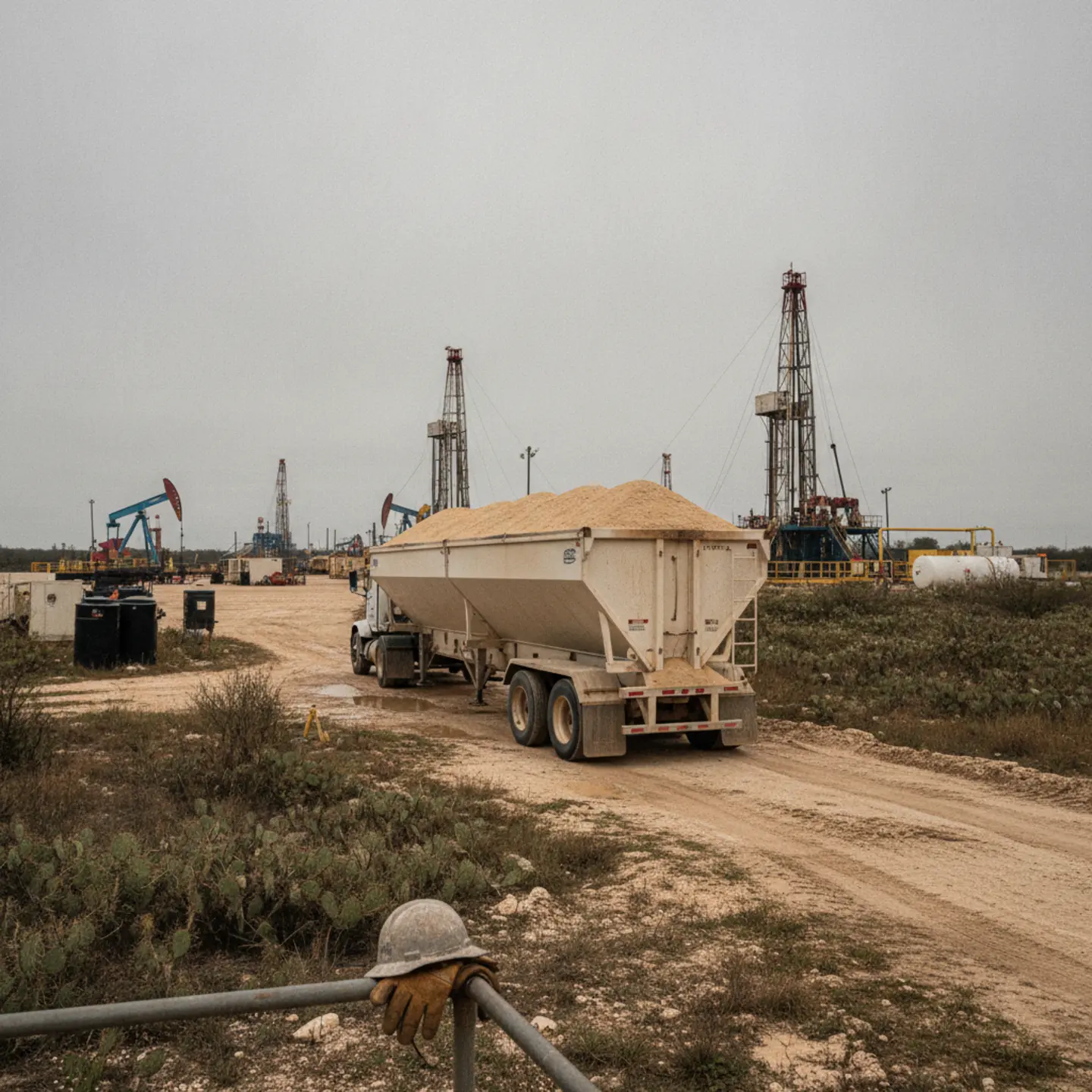
Headquarters: Midland, TX. ProPetro is primarily a hydraulic fracturing company — frac sand logistics are integrated directly into active completion operations. That direct integration means loads are tied to live frac spreads, which creates a specific work rhythm: high-intensity, short-haul turns within the Permian Basin, paced by crew activity.
Driver feedback reflects the demands of working directly on frac sites — fast-paced, high-expectation environments. During peak completion seasons, load consistency is strong. During slowdowns, the direct tie to frac crew schedules means load availability can fluctuate quickly.
Best for: Owner-Operators seeking short-haul Permian work with direct frac crew integration; drivers who thrive in high-intensity, fast-paced oilfield environments.
4. Patriot Transportation, Inc.
Headquarters: Dallas, TX, with strong operational presence in West Texas and South Texas oilfields. Patriot focuses on specialized bulk hauling across multiple Texas regions — not just the Permian — which gives drivers some regional variety beyond a single basin.
Owner-Operators cite reliable pay and a professional operating environment. Typical oilfield wait time challenges apply, but overall driver sentiment is solid for a medium-sized carrier. The regional diversity is a genuine differentiator for drivers who want options beyond pure Permian short-haul work.
Best for: Owner-Operators seeking regional diversity and professional operations; drivers comfortable with medium-sized carrier structures.
5. Black Mountain Sand Logistics / Distribution
Headquarters: Fort Worth, TX, with in-basin mines and logistics operations throughout the Permian Basin (Odessa, TX). Black Mountain’s integrated model — owning both the sand and the logistics — means drivers have direct access to loads from company-owned mines, minimizing deadhead and optimizing short-haul efficiency.
Drivers praise the consistency of work — when the mine is running, loads are available. The fast-paced wellsite delivery environment can be demanding, and rates are tied to in-basin sand availability and mine production cycles.
Best for: Owner-Operators seeking consistent short-haul Permian work; drivers who prioritize load consistency over maximum distance variety. For a deeper look at how equipment choices affect your earnings, the bottom drop vs. pneumatic frac sand comparison breaks down the real trade-offs.
| Carrier | HQ | Fleet Model | Primary Region | Best For |
|---|---|---|---|---|
| Sisu Energy | Fort Worth, TX | 100% Owner-Operator | STX, WTX, NTX, PA/OH | Max take-home, transparent ops, no company truck competition |
| Universal Pressure Pumping | Warren, MI | Large diversified carrier | Permian, Eagle Ford, multi-basin | High-volume, stable mileage, large corporate structure |
| ProPetro Services | Midland, TX | Completion services / logistics | Permian Basin | Short-haul, frac crew integration, high-intensity ops |
| Patriot Transportation | Dallas, TX | Medium specialized carrier | WTX, STX, Permian, Eagle Ford | Regional variety, professional environment |
| Black Mountain Sand | Fort Worth, TX | Integrated supplier/logistics | Permian Basin (Odessa) | Consistent short-haul, mine-direct loads, low deadhead |
What Owner-Operators Report: Common Praise and Complaints
Across Owner-Operator forums, job boards, and industry discussions, a clear pattern emerges: the carriers that earn the most loyalty are the ones that pay on time, communicate clearly, and enforce detention policies with their customers. The ones that generate the most complaints do the opposite.
Most frequent praise centers on transparent pay structures, consistent load availability, fair dispatch rotation, no hidden fees, and weekly payment cycles. Sisu Energy, Universal Pressure Pumping, and Patriot Transportation appear most frequently in positive Owner-Operator discussions — each for different reasons. Sisu leads on pay transparency and driver culture; Universal on volume and stability; Patriot on regional professionalism.
Most frequent complaints across the broader frac sand carrier market include poor dispatch communication, excessive unpaid wait times at wellsites, hidden deduction categories, slow pay cycles, and inconsistent load availability during market slowdowns. Escrow policies that tie up driver capital are a recurring flashpoint — particularly among drivers who’ve been burned by carriers that hold funds for weeks or months without clear justification.
Some carriers hold a percentage of your earnings in escrow as a “safety net” or insurance buffer. This ties up your capital and can be a major pain point if you need quick access to your money. Always ask carriers upfront about escrow policies and look for carriers that offer weekly direct deposit with no holds.
The bottom line from driver feedback: carrier selection is a business decision, not just a job choice. The difference between a carrier that enforces detention pay and one that doesn’t can be worth more annually than the difference in base splits. Ask the hard questions before you sign anything. For a full breakdown of what to look for in a carrier contract, the Owner-Operator frac sand hauling real numbers guide covers the specifics.
Pay Rates and Income Potential: What You Can Realistically Earn
Texas Owner-Operators in frac sand hauling average $5,634 per week in gross revenue (Indeed, March 2026), with top performers in high-turn Permian lanes pushing well above that. But gross revenue is only half the picture — weekly operating costs for a Permian Basin Owner-Operator typically run $3,500–$5,000, depending on fuel prices, maintenance cycles, and equipment type. At current Gulf Coast diesel of $5.122/gallon, fuel alone can run $0.85 per mile at typical fuel efficiency. That leaves realistic take-home net of $1,500–$2,300 per week for a well-run single-truck operation after all expenses.
Haul distance is the primary variable. Here’s how the three main lane types break down in 2026:
Short-Haul Permian Basin Lanes: High Turns, Lower Per-Load Rates
Distance: Under 50 miles. Rate range: $15–$22/ton or $300–$450/load. Turn potential: 4–5 loads per day. Running 20–25 loads per week, gross revenue lands at $6,000–$11,250. This lane type rewards efficiency and quick turnarounds — ideal for Owner-Operators who want daily cash flow and home time. The Permian’s in-basin sand supply supports this model well, with mines minimizing deadhead between loads. For a deeper look at how load rates and turns interact, the load rates vs. turns analysis is worth reading before you choose a lane.
Mid-Haul Lanes: Balanced Distance and Turns
Distance: 50–150 miles. Rate range: $20–$30/ton or $450–$700/load. Turn potential: 2–3 loads per day. Running 10 loads per week, gross revenue runs $4,500–$7,000. This lane type suits Owner-Operators who want a balance between per-load revenue and manageable daily mileage — without the relentless pace of short-haul high-turn work.
Long-Haul Lanes: Higher Per-Load Rates, Fewer Turns
Distance: Over 150 miles. Rate range: $25–$40+/ton or $600–$1,000+/load. Turn potential: 1–2 loads per day. Running 5 loads per week, gross revenue lands at $3,000–$5,000. Higher per-load revenue with fewer daily turns — suited for drivers comfortable with extended hauls who are willing to trade turn volume for per-load premium. Check current Gulf Coast diesel prices before committing to a long-haul lane, since fuel costs scale directly with distance.
One additional income lever: pneumatic tanker operations command a $20–$25/ton premium over hopper bottom hauling — reflecting specialized equipment, tanker endorsement requirements, and more demanding unloading procedures. On a standard 25-ton load, that’s $500–$625 more per load. For drivers with the right equipment and certifications, that premium compounds significantly across a full week.
Detention Pay and Wait Times: The Hidden Income Factor
Detention is one of the most underdiscussed variables in frac sand hauling income — and one of the most consequential. Waiting at a wellsite doesn’t just waste time; it directly replaces revenue you could have earned on the next load.
Fair detention pay runs $75–$100/hour, typically kicking in after 1–2 hours of free time. The problem: many carriers either don’t enforce detention policies with their customers, or they absorb the cost rather than passing it through to drivers. The result is that the Owner-Operator — the one actually sitting at the wellsite — eats the loss.
Many Owner-Operators underestimate how much unpaid waiting time costs them annually. If you’re losing 5–10 hours per week to uncompensated detention, that’s $19,500–$52,000 in lost annual income — more than the difference between some carrier splits.
Before leasing on with any carrier, ask directly: What is your detention policy? What documentation do drivers need to submit? How quickly is detention paid after collection from the customer? Carriers that actively enforce detention — and pay it promptly — are worth a premium over carriers with higher advertised splits but weak detention enforcement. The annualized math doesn’t lie.
Certifications, Licensing, and Regulatory Requirements
Getting cleared to haul frac sand in Texas requires more than a CDL. Federal, state, and oilfield-specific requirements stack on top of each other — and missing any one of them can keep you off a wellsite entirely.
CDL Endorsements for Frac Sand Hauling
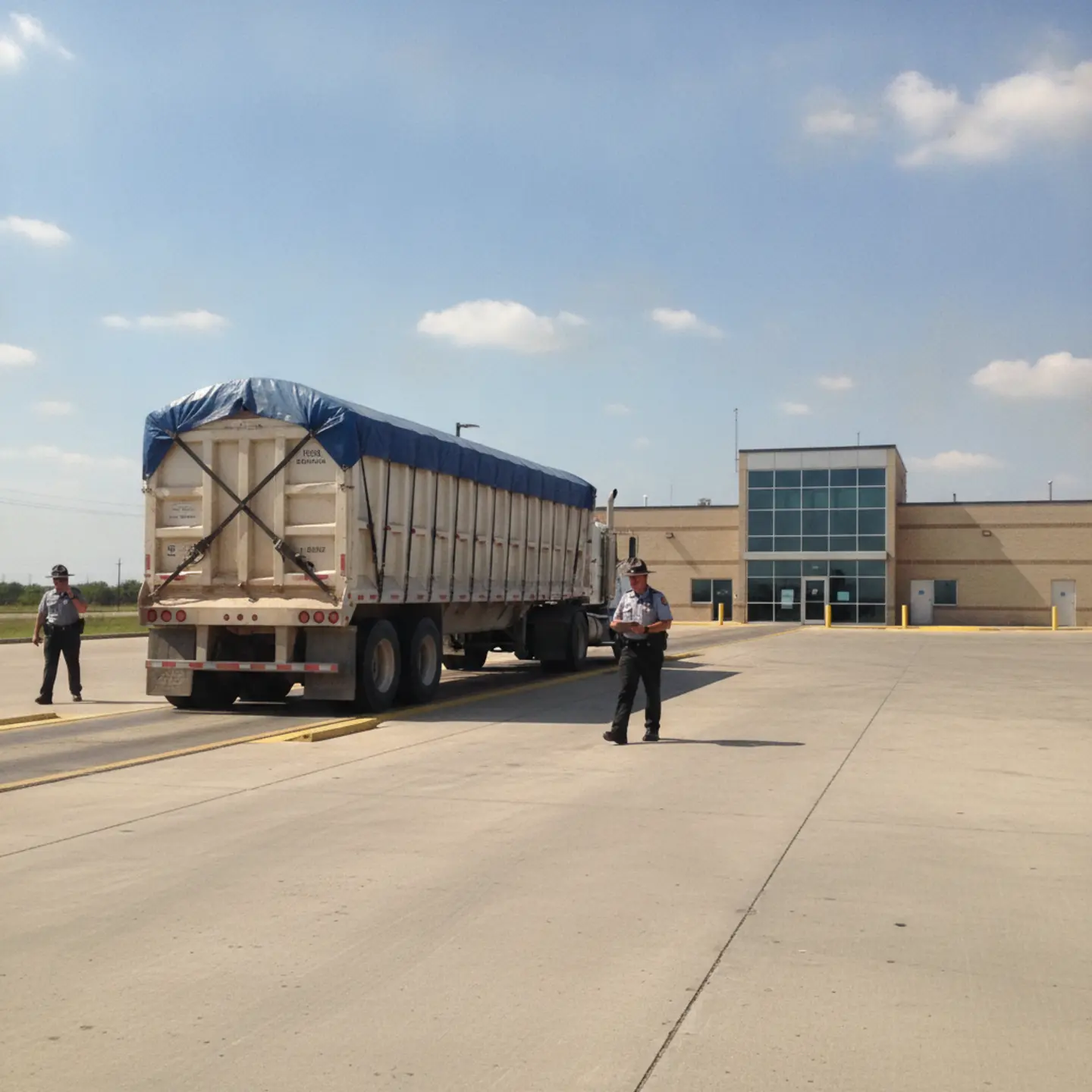
A Class A CDL is required for all combination vehicles over 26,001 lbs GCWR. For pneumatic tanker operations, the Tanker Endorsement (N) is mandatory — no exceptions. A Hazmat Endorsement (H) may be required depending on operator requirements or residual cargo situations. All CDL holders must maintain a valid Medical Examiner’s Certificate issued by a certified medical examiner on the National Registry. Before leasing on, always verify a carrier’s safety rating at safer.fmcsa.dot.gov — a Satisfactory rating is the baseline, and high CSA BASIC scores in Vehicle Maintenance or Hours-of-Service are red flags that can affect your load availability and compliance exposure.
Oilfield Site Access Certifications
Texas frac sites require three core certifications to gain access:
- PEC/Safeland Card: Basic safety orientation; $100–$200; valid 1 year. Required at virtually all operator sites.
- H2S Alive: Hydrogen sulfide safety training; $150–$250; valid 1–3 years. Critical for any site where sour gas may be present.
- Respiratory Fit Test (3M Half Mask): Silica dust protection certification; $50–$100; valid 1 year. Required annually — frac sand silica exposure is a real occupational hazard.
Budget $300–$550 total for initial certification costs, plus annual renewal expenses. Texas also requires county-specific road permits in both the Permian Basin and Eagle Ford — Reeves, Loving, Midland, Webb, and La Salle counties each have their own heavy haul road use requirements. Carriers that support drivers through the permitting process are worth noting when you’re evaluating your options.
Visit safer.fmcsa.dot.gov and search the carrier’s DOT number to verify their safety rating (Satisfactory is the baseline), check CSA BASIC scores, and review their crash history. A carrier with poor safety metrics may face increased inspections, fines, or operational restrictions that directly impact your load availability and pay.
Why Sisu Energy Is the Right Choice for Texas Frac Sand Owner-Operators
Every carrier on this list offers something. Sisu Energy is built around a specific philosophy: Owner-Operators first — not as a tagline, but as the actual operating model. The entire business is structured to maximize what you take home, minimize what gets taken out, and treat you like the business owner you are.
The numbers back it up. Sisu operates a 100% Owner-Operator fleet with zero company trucks — meaning every load dispatched goes to an Owner-Operator, not an internal driver. The rotary dispatch system distributes loads fairly across the fleet, eliminating the favoritism that plagues less transparent operations. Six hauling divisions across Texas and Pennsylvania/Ohio let drivers choose the hauling type, region, and schedule that fits their life — without leaving the company when needs change.
On the financial side: no escrow, weekly Friday direct deposit, revenue splits reaching up to 90/10 for cement, a fuel card program running 10–12% off market rate, and minimal deductions with full transparency on every settlement. At current diesel prices of $5.122/gallon, the fuel discount alone adds up to real money across a full year of hauls. The Sisu Energy services overview details each division’s structure and requirements.
The 24/7 live human dispatch isn’t a marketing point — it’s the operational backbone. When something goes wrong at 2 a.m. on a wellsite, you’re talking to a person, not submitting a ticket. That’s the difference between a carrier that respects your time and one that doesn’t.
Apply to join Sisu Energy’s Pack today — and take control of your business with a carrier built around your success.
Frequently Asked Questions About Frac Sand Carriers in Texas
How does the dispatch system work, and how can I ensure fair load distribution?
Many carriers use a rotary dispatch system to distribute loads fairly among Owner-Operators, preventing favoritism and ensuring consistent work. Ask prospective carriers about their specific dispatch model, load rotation policy, and how they handle load availability during slower periods. Carriers with transparent, documented dispatch systems and live human dispatchers — not just apps — tend to offer better fairness and communication. The difference between a rotary system and an ad hoc one can translate to hundreds of dollars per week in load volume.
What are the common deductions from my settlement, and are there hidden fees I should watch for?
Standard deductions include non-trucking liability insurance, occupational accidental insurance, cargo/trailer interchange, ELD/app fees, and sometimes trailer rental. Watch out for large escrow holds that tie up your capital, undisclosed fees, or vague deduction categories that shift week to week. Request a detailed breakdown of all recurring and one-time deductions before signing any contract — and avoid carriers that can’t or won’t provide it. Transparency on deductions is one of the clearest signals of how a carrier actually treats its drivers.
How consistent is load availability, especially during seasonal slowdowns or market fluctuations?
Load availability in frac sand hauling fluctuates with oil and gas market cycles, seasonal demand shifts, and operator activity levels. The Permian Basin rig count stood at 241 active rigs in May 2026 — down from 287 a year prior — which means efficiency per spread matters more than raw rig count for load volume. Carriers with a diversified customer base and multiple service regions are better positioned to offer consistent loads during slower periods. Ask carriers directly about their average load-to-truck ratio during both peak and slow seasons before you commit.
What’s the difference in income and workload between pneumatic tanker and hopper bottom operations?
Pneumatic tanker operations command a premium of $20–$25/ton over hopper bottom hauling — on a standard 25-ton load, that’s $500–$625 more per load. The premium reflects specialized equipment, tanker endorsement requirements, and more demanding unloading procedures at the wellsite. Both involve demanding oilfield work, and the best income depends on turn efficiency, detention pay enforcement, and your individual operating costs. Pneumatic drivers often earn more per load but carry higher equipment and certification costs. For a side-by-side breakdown, the flat rate vs. by-ton frac sand hauling comparison walks through the math in detail.
What makes Sisu Energy different from other frac sand carriers in Texas?
Sisu Energy operates as a 100% Owner-Operator fleet with zero company trucks, eliminating internal competition for loads entirely. The company offers some of the highest revenue splits in the industry — up to 90/10 for cement — with no escrow, weekly Friday direct deposit, 24/7 live human dispatch with rotary load distribution, and a driver-first culture called “The Pack.” Four diversified divisions across Texas and Pennsylvania/Ohio let drivers choose their hauling type, region, and schedule without leaving the carrier when needs change. The fuel card program runs 10–12% off market rate, and onboarding is fast with no orientation required. Apply today to join a carrier that puts Owner-Operators first — in structure, not just in marketing copy.
Ready to Haul Frac Sand With the Best-Paying Carrier in Texas?
You’ve done the research — now put it to work. Sisu Energy’s 100% Owner-Operator model, transparent pay, and 24/7 live human dispatch are built around one goal: maximizing your take-home on every load. No company trucks. No escrow. Weekly Friday direct deposit.
*Sisu Energy LLC contracts exclusively with independent Owner-Operators. Earnings vary by division, miles, fuel costs, and individual business factors, and no specific income is guaranteed. Programs, lease rates, and requirements are subject to change. Please contact Sisu Energy directly for current opportunities and division details.