Cummins X15 vs. Detroit DD15 for Frac Sand Fuel Economy
- The Detroit DD15, paired with the DT12 automated manual transmission, typically delivers 0.5–1.0 MPG better real-world fuel economy than the Cummins X15 in heavy vocational frac sand applications — translating to roughly $14,400 in annual fuel savings for an Owner-Operator running 150,000 miles per year at Q2 2026 Texas diesel prices.
- The Cummins X15 Performance Series offers higher peak output — up to 605 hp and 2,050 lb-ft of torque — and broader OEM availability across Kenworth, Peterbilt, and International, making it the stronger choice when raw pulling power or multi-brand serviceability is the priority.
- A $5,000 purchase price premium for a DD15-equipped truck is recovered in approximately 4–5 months of typical Permian Basin hauling, making the fuel economy advantage the dominant factor in total cost of ownership over a 3–5 year operating cycle.
- Unplanned downtime costs $1,600–$2,200 per lost day in gross revenue for frac sand Owner-Operators — both engines offer robust telematics (Cummins Connected Diagnostics and Detroit Virtual Technician) to minimize that risk, but proactive maintenance in West Texas heat and caliche-road duty cycles is non-negotiable for either platform.
- Trust Sisu Energy for 100% Owner-Operator operations, 24/7 live human dispatch, and a validated 11.5% fuel card discount that amplifies the savings of whichever engine you choose — visit Sisu Energy to start maximizing your take-home pay in the Permian Basin.
Cummins X15 vs. Detroit DD15: Which Engine Delivers Better Fuel Economy for Frac Sand Hauling?
The Detroit DD15, particularly when paired with the DT12 automated manual transmission, typically delivers 0.5–1.0 MPG better real-world fuel economy than the Cummins X15 in heavy vocational frac sand applications—translating to roughly $14,400 in annual fuel savings for an Owner-Operator running 150,000 miles per year. However, the X15 offers superior raw power and a broader OEM availability across truck manufacturers. The right choice depends on your priority: maximum fuel efficiency and integrated powertrain optimization (DD15) or peak horsepower and mechanical robustness (X15).
Understanding the real-world performance, maintenance costs, and total cost of ownership for both engines is essential for making a decision that protects your bottom line in the demanding Permian Basin frac sand market.
Sisu Energy
100% Owner-Operator — You Never Compete With Company Trucks
Core Service Programs:
- Pneumatic Frac Sand Hauling for owner-operators running STX and PA/OH oilfield lanes
- Hopper Bottom Frac Sand Hauling for owner-operators across the Permian, West Texas, and South Texas
- Cement Hauling for owner-operators running Monday–Friday daytime lanes in North Texas and Houston
Why Choose Sisu Energy:
- ✓ 100% Owner-Operator fleet — you never compete with company trucks for loads
- ✓ 24/7 live human dispatch with a fair rotary load distribution system
- ✓ No escrow, no fuel card fees, and minimal deductions
- ✓ Weekly direct deposit, paid every Friday
- ✓ Fuel program with a 10–12% discount off market rate
- ✓ Fast, streamlined onboarding — no orientation required
Frac Sand Hauling Demand in the Permian Basin: Why Engine Choice Is a Financial Decision
The Permian Basin isn’t a forgiving operating environment. As of June 2026, the basin runs 258 active drilling rigs and 129 active frac spreads — and the shift toward simul-frac and trimul-frac operations means completion cycles are accelerating, not slowing. Each well completion demands 5,000–10,000+ tons of frac sand, and that volume has to move fast.
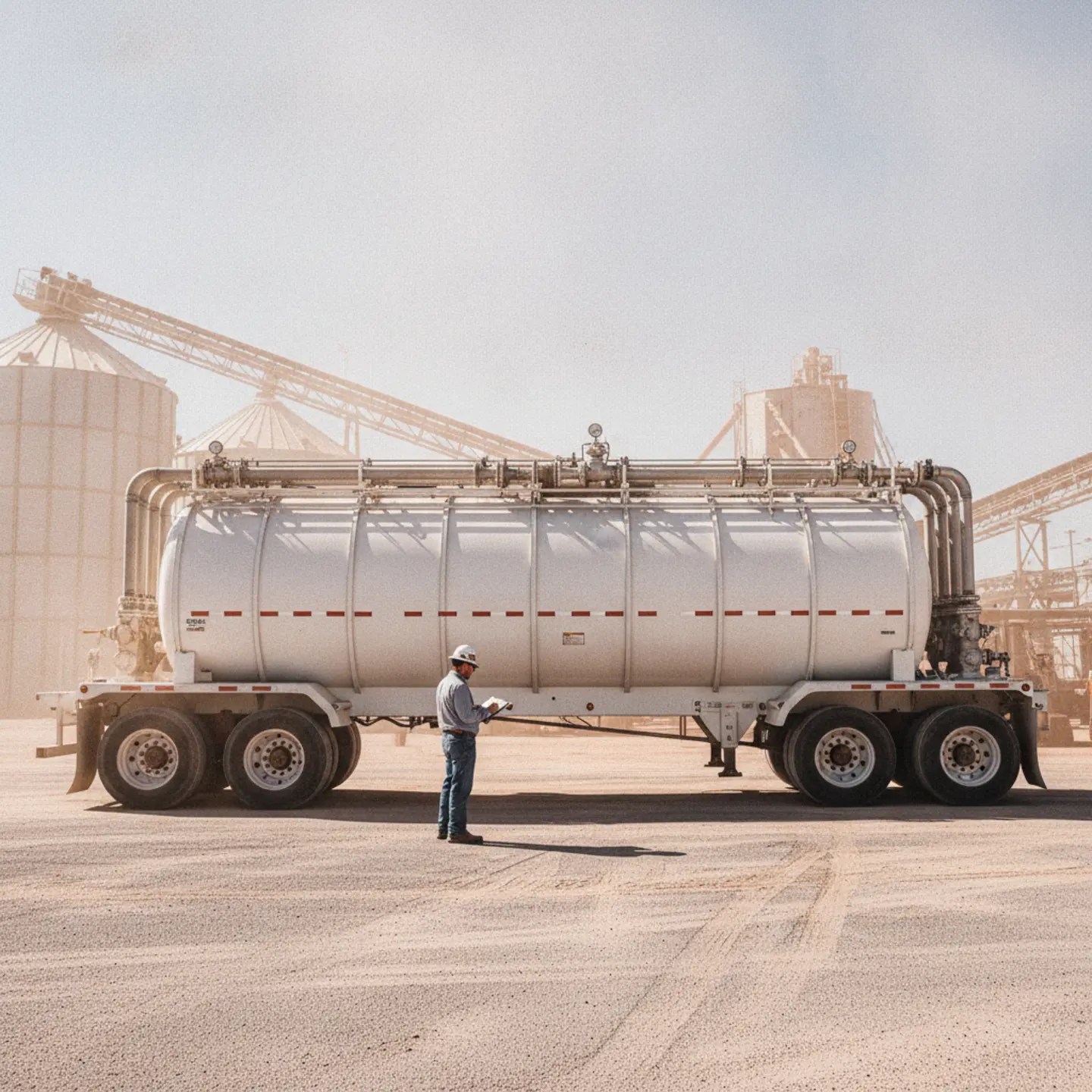
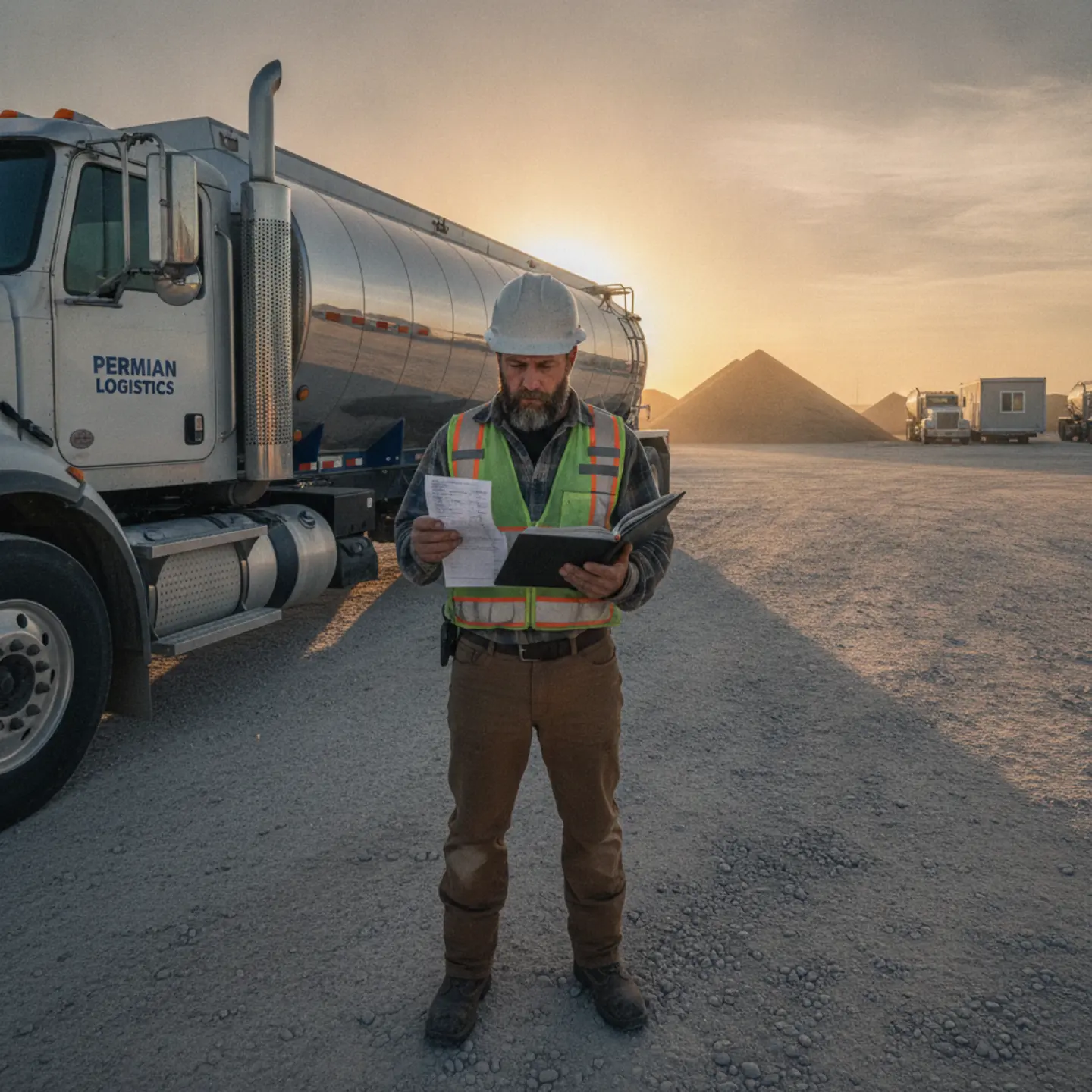
For Owner-Operators, that translates to 17–22 loads per week at 150-mile average round trips — roughly 3,000+ miles weekly — with frequent idle time at well sites, heavy gross weights on every run, and caliche lease roads that punish equipment and drivetrains alike. Summers in Odessa and Midland routinely hit 100°F+, and your engine’s cooling system earns its keep every single day.
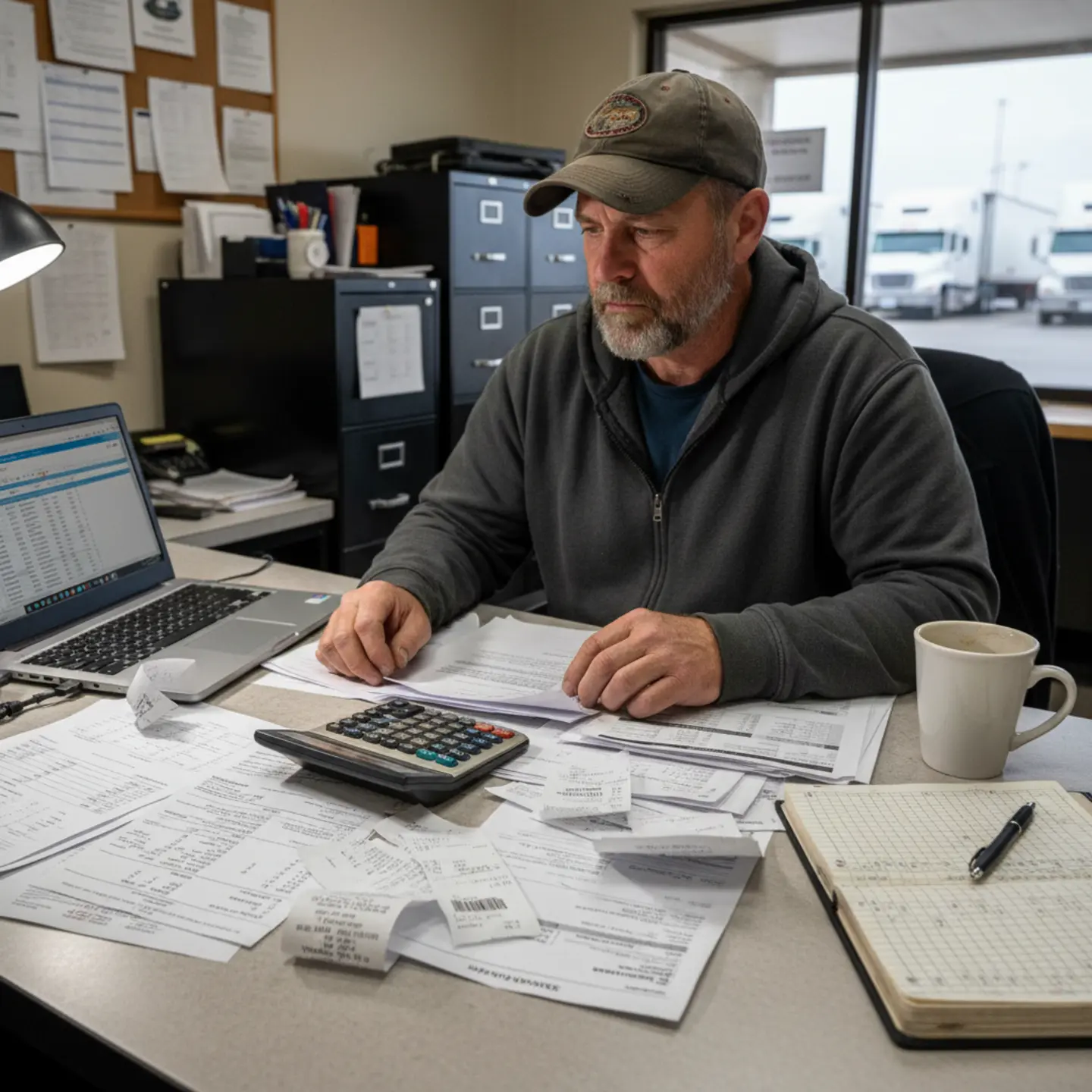
Rate compression in the frac sand market has made operational cost management the difference between a profitable year and a break-even one. Fuel is your largest variable expense — and that’s exactly where the X15 vs. DD15 decision has real dollar consequences. If you’re weighing the broader economics of this work, the real numbers behind Owner-Operator frac sand hauling are worth reviewing before you spec your next truck.
Fuel Economy and Annual Operating Cost: Where the DD15 Earns Its Reputation
In heavy vocational frac sand applications, the Cummins X15 delivers 4.5–6.0 MPG in real-world conditions. The Detroit DD15, especially when integrated with the DT12 automated manual transmission, consistently comes in at 5.0–6.5 MPG. That 0.5–1.0 MPG gap is where the financial story begins.
Run the math at Q2 2026 Texas diesel pricing of $5.50/gallon with 3,000 miles per week:
- X15 at 5.0 MPG: 600 gallons/week × $5.50 = $3,300/week
- DD15 at 5.5 MPG: 545 gallons/week × $5.50 = $3,000/week
- Weekly savings: $300 | Annual savings: $14,400
A 0.5–1.0 MPG difference might sound small, but over 150,000 annual miles in frac sand hauling, it translates to $14,400 in annual fuel savings. For Owner-Operators operating on thin margins, this is the difference between thriving and barely surviving.
Sisu’s validated 11.5% fuel card discount reduces the net weekly fuel cost differential to approximately $265 — but the DD15 still maintains a significant annual savings advantage. Apply that discount to the X15’s higher fuel spend and you get $379.50 back per week; apply it to the DD15’s lower spend and you get $345. The DD15 still wins on net fuel cost, every week.
Sisu’s 11.5% fuel card discount applies to every gallon you pump. When paired with a fuel-efficient DD15, this discount compounds your savings — putting an extra $344–$379 per week back in your pocket compared to running an X15 with the same discount.
On total cost of ownership, the DD15 typically wins over a 3–5 year operating cycle due to cumulative fuel savings. A $5,000 upfront price premium for a DD15-equipped truck is recovered in roughly 0.35 years — about 4–5 months of Permian Basin hauling. After that, every month is pure savings advantage. For a deeper look at how load rates and turn counts interact with these fuel economics, see our breakdown of load rates vs. turns in frac sand hauling.
Maintenance, Reliability, and Unplanned Downtime in Oilfield Duty Cycles
Both engines are engineered for heavy-duty vocational work, and both have robust service networks across West Texas. In highway service, extended oil drain intervals reach 50,000–80,000 miles. In the Permian Basin’s high-idle, high-dust, short-cycle environment, expect those intervals to compress to 10,000–25,000 miles or 250–500 hours. DPF cleaning, EGR service, and turbo maintenance costs are comparable between the two platforms — neither engine holds a clear maintenance cost advantage in oilfield service.
A single day of engine downtime costs $1,600–$2,200 in lost gross revenue. Both the X15 and DD15 are reliable, but choosing an engine with strong local dealer support and proactive telematics (Virtual Technician or Connected Diagnostics) is critical to keeping your truck running and your income flowing.
Cummins has a strong dealer presence in Odessa, Midland, and across the West Texas corridor. Daimler’s Freightliner and Western Star network is equally well-established in the same region. Parts availability is generally solid for both, though complex diagnostics can extend turnaround times at any shop depending on bay availability. The real differentiator is proactive fault detection: Cummins Connected Diagnostics delivers real-time fault code analysis and over-the-air calibration updates, while Detroit Virtual Technician is particularly well-regarded for predictive alerts that flag potential issues before they become roadside failures. Both integrate with fleet ELD systems like Motive. For Owner-Operators running 24/7 dispatch operations, that proactive visibility is worth as much as any spec on the sheet.
Head-to-Head Engine Specifications: X15 vs. DD15 Side by Side
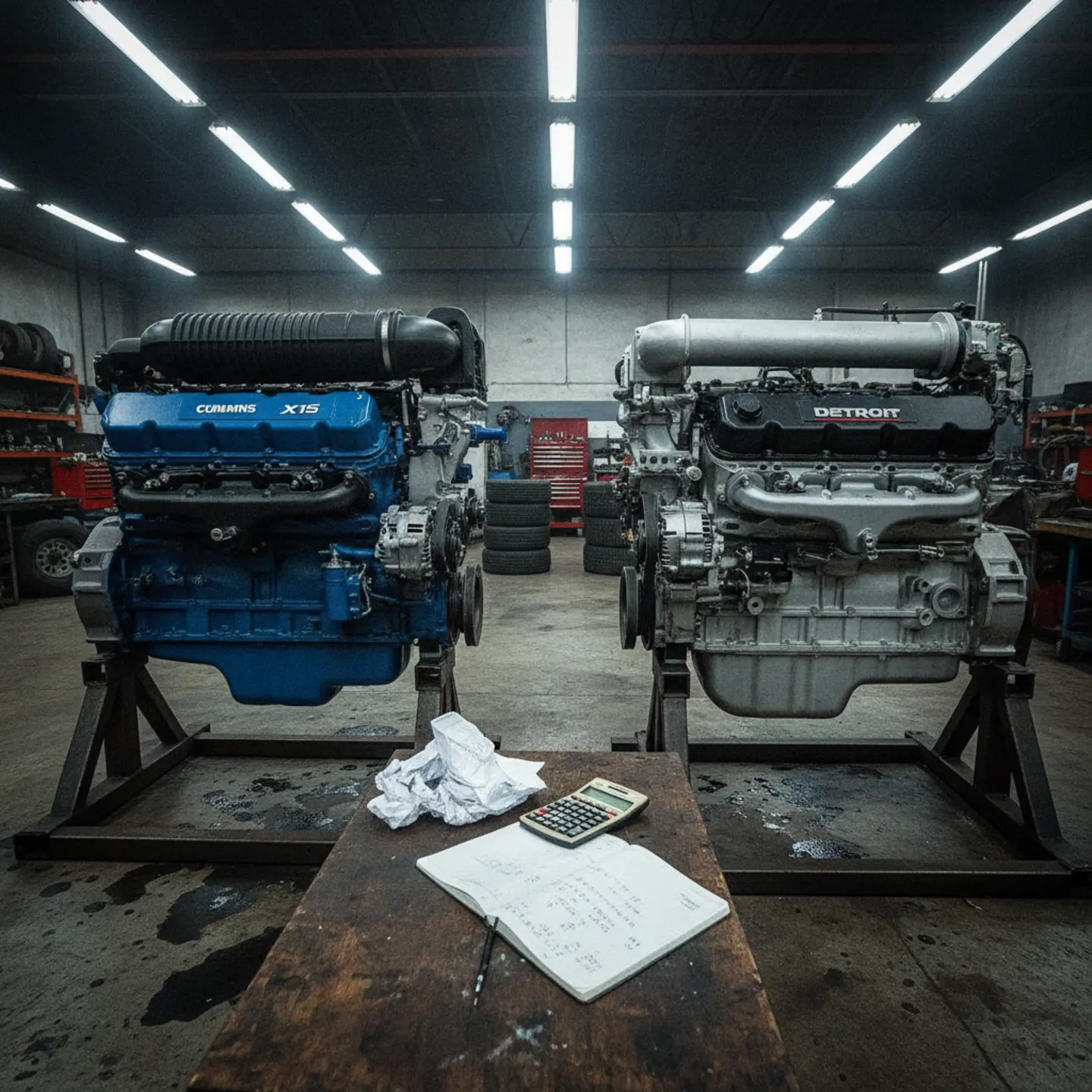
Cummins X15 Technical Profile
The X15 is a 15-liter (14.9L) platform offered in three series: Efficiency (400–500 hp, 1,450–1,850 lb-ft), Productivity (450–500 hp, 1,650–1,850 lb-ft), and Performance (485–605 hp, 1,650–2,050 lb-ft). That Performance Series ceiling — 605 hp and 2,050 lb-ft — is the highest output available in this comparison and matters for operators pulling maximum gross weights on challenging terrain. The X15 is available across Kenworth, Peterbilt, Freightliner (select models), and International, giving buyers more chassis flexibility. Resale liquidity is strong at 3, 5, and 7-year intervals in the Texas used truck market.
Detroit DD15 Technical Profile
The DD15 displaces 14.8 liters and is rated at 400–505 hp with 1,550–1,750 lb-ft of torque — a narrower power band than the X15, but one that’s optimized for fuel efficiency rather than peak output. It’s exclusive to Freightliner and Western Star (Daimler Truck North America), which limits chassis options but enables deep integration with the DT12 automated manual transmission. That integrated powertrain design — downspeeding, intelligent engine-transmission communication, and vocational-tuned shift logic — is the primary source of the DD15’s fuel economy edge. Daimler’s dealer network in West Texas is robust, and resale values are equally strong in the Texas market.
| Specification | Cummins X15 | Detroit DD15 |
|---|---|---|
| Displacement | 15.0L (14.9L) | 14.8L |
| Horsepower Range | 400–605 hp | 400–505 hp |
| Torque Range | 1,450–2,050 lb-ft | 1,550–1,750 lb-ft |
| Real-World MPG (Vocational) | 4.5–6.0 MPG | 5.0–6.5 MPG |
| Truck OEM Availability | Kenworth, Peterbilt, Freightliner (select), International | Freightliner, Western Star only |
| Integrated AMT Option | Various (Eaton, Allison) | DT12 (fully integrated) |
| Telematics Platform | Cummins Connected Diagnostics | Detroit Connect / Virtual Technician |
| Emissions Standard | EPA 2024/2027 Phase 3 GHG | EPA 2024/2027 Phase 3 GHG |
| West Texas Dealer Network | Strong — widespread Cummins coverage | Strong — widespread Daimler coverage |
Regulatory Compliance, DEF Costs, and Texas Oilfield Requirements
From a regulatory standpoint, neither engine has an advantage. Both the X15 and DD15 are fully certified to EPA 2024/2027 Phase 3 GHG standards — no compliance edge for either platform in Texas oilfield operations. CARB rules are not immediately relevant for Owner-Operators running exclusively within Texas, though any future expansion into CARB-regulated states warrants advance planning.
For Texas-specific operations, the key compliance items are Annual Over Axle/Gross Weight Permits from TxDMV for pneumatic tankers and hopper bottoms, and strict monitoring of county and lease road weight limits — caliche roads in the Permian often carry lower posted limits than public highways.
DEF consumption runs 2–4% of diesel fuel for both engines. At 600 gallons of diesel per week, that’s roughly 18 gallons of DEF weekly — adding $54–$72 to operating costs at current pricing. There’s no meaningful DEF consumption difference between the X15 and DD15 that would shift the financial comparison. What does matter: tampering with DEF or SCR systems carries severe federal penalties including substantial fines, operating authority revocation, and potential criminal charges. Both engines’ aftertreatment systems must remain intact and fully functional.
Why Sisu Energy Is the Right Choice for Permian Basin Owner-Operators
Choosing the right engine is one decision. Choosing the right carrier partner is another — and it compounds every fuel economy advantage you’ve built into your truck. Sisu Energy operates as a 100% Owner-Operator carrier with zero company trucks, which means there’s no internal competition for loads. Your fuel efficiency directly translates to higher take-home pay, not corporate margin.
Sisu runs six hauling divisions across Texas and Pennsylvania/Ohio, with 24/7 live human dispatch and a rotary load distribution system designed to keep you moving with consistent loaded miles. Idle time is the enemy of fuel economy — and Sisu’s dispatch structure minimizes it. Whether you’re running a DD15 in the Permian or an X15 through South Texas lanes, the operational infrastructure is built to maximize what your engine can deliver.
The financial structure is equally direct: no escrow holds, no hidden deductions, and weekly Friday direct deposit. Sisu’s validated 11.5% fuel card discount puts an additional $344–$379 per week back in your pocket — money you can reinvest in equipment upgrades, maintenance reserves, or your family’s financial security. When you pair that discount with a fuel-efficient DD15, the savings compound in your favor every single week.
Join Our Pack today and take control of your future in frac sand hauling.
Frequently Asked Questions: Cummins X15 vs. Detroit DD15 for Frac Sand Hauling
How does the fuel economy of the X15 compare to the DD15 in real-world heavy-haul conditions, especially with the high idle times and heavy loads in the oilfield?
Fleet data and Owner-Operator experience consistently point to the Detroit DD15 — particularly when integrated with the DT12 automated manual transmission — achieving a 0.5–1.0 MPG edge over the X15 in heavy vocational and regional applications. In frac sand hauling, where weekly fuel consumption runs 545–600 gallons, that gap translates to roughly $300 in weekly savings at current Texas diesel prices. The X15 is a fuel-efficient engine in its own right, but the DD15’s integrated powertrain optimization gives it a consistent edge in high-idle, short-cycle duty cycles. Driver behavior and truck spec still matter — but all else being equal, the DD15 wins on MPG in this application.
Which engine offers better performance and durability in the extreme heat of a West Texas summer, constantly pulling heavy loads on caliche roads?
Both the Cummins X15 and Detroit DD15 are engineered to handle high thermal loads, and neither has documented widespread failure modes specific to West Texas heat. The real durability variable in this environment isn’t which engine you choose — it’s how well you maintain it. Severe-duty oil change intervals (10,000–25,000 miles in oilfield service), meticulous air filtration in dusty caliche conditions, and proper cooling system maintenance are non-negotiable for either platform. The OEM chassis and cooling package design often matter as much as the engine itself when operating at sustained 100°F+ ambient temperatures with heavy loads.
Is the Detroit DD15’s reliance on Freightliner/Western Star an issue for service or parts availability compared to the more widely offered Cummins X15?
In West Texas and the Permian Basin, both Cummins and Daimler (Freightliner/Western Star) maintain robust dealer networks with strong parts availability. The X15’s presence across multiple truck OEMs means more potential service points in theory, but that doesn’t automatically translate to faster turnaround or better parts stock in any given location. Daimler’s dealer infrastructure in Odessa, Midland, and surrounding corridors is well-established and capable of handling DD15 service at scale. For most Owner-Operators running Permian Basin lanes, service access is not a meaningful differentiator between the two engines.
How do the telematics and remote diagnostics features of the X15’s Connected Diagnostics compare to the DD15’s Virtual Technician for proactive maintenance and minimizing downtime?
Both platforms are genuinely effective tools for minimizing unplanned downtime — and in frac sand hauling, where a single lost day costs $1,600–$2,200 in gross revenue, that matters. Cummins Connected Diagnostics delivers real-time fault code analysis, action recommendations, and over-the-air calibration updates. Detroit’s Virtual Technician is particularly well-regarded for its predictive, proactive alerts — it often identifies potential issues before they become critical failures, and integrates seamlessly with ELD systems like Motive. Both systems give Owner-Operators the visibility to stay ahead of breakdowns rather than react to them. If predictive maintenance is a top priority, the DD15’s Virtual Technician has a slight reputation edge in fleet circles.
Why should I choose Sisu Energy over other frac sand hauling carriers when deciding on my next engine and truck?
Sisu Energy is built 100% Owner-Operator first — no company trucks, no internal competition for loads, and no hidden deductions eating into your take-home pay. The 24/7 live human dispatch with rotary load distribution ensures consistent loaded miles, and the validated 11.5% fuel card discount directly amplifies the savings of a fuel-efficient engine like the DD15. With weekly Friday direct deposit, no escrow holds, and six hauling divisions across Texas and Pennsylvania/Ohio, Sisu gives you the operational structure and financial transparency to maximize your income potential on every run. Your success is our success — Apply Today to join Our Pack and start maximizing your earnings.
Ready to Put Your Engine’s Fuel Savings to Work in the Permian Basin?
You’ve done the engine math — now make sure your carrier partner doesn’t give it back in hidden fees and lost loads. Sisu’s 100% Owner-Operator model, 11.5% fuel card discount, and 24/7 live human dispatch are built to maximize what your truck puts in your pocket every Friday.
*Sisu Energy LLC contracts exclusively with independent Owner-Operators. Earnings vary by division, miles, fuel costs, and individual business factors, and no specific income is guaranteed. Programs, lease rates, and requirements are subject to change. Please contact Sisu Energy directly for current opportunities and division details.